
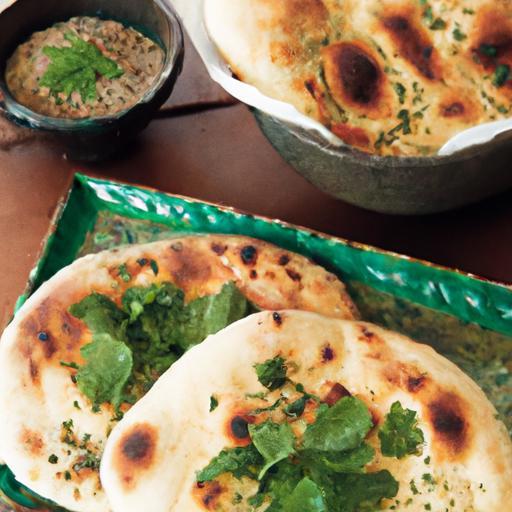

In the bustling markets of the Middle East, where the scent of spices weaves through the air like an aromatic tapestry, one humble dish captures both tradition and taste with effortless grace: Za’atar flatbread, or manakish. This beloved culinary treasure, crisp at the edges and soft within, is more than just bread topped with a fragrant herb blend-its a flavorful journey through centuries of culture, history, and communal warmth. Whether enjoyed as a quick breakfast, a midday snack, or a gathering centerpiece, manakish offers a appetizing glimpse into the heart of Middle Eastern cuisine, where simplicity meets bold, zesty za’atar to create a timeless classic.
za’atar flatbread (Manakish) stands as a vibrant culinary emblem of the Middle East, weaving together history, culture, and flavor in every bite. Originating centuries ago from Levantine kitchens, this beloved street food not only satisfies the palate but also invites you into a shared tradition of communal meals and aromatic spice blends. The world-famous za’atar-an earthy, tangy mixture of wild thyme, sumac, and toasted sesame seeds-imbues the soft, warm dough with its unforgettable zest, making each flatbread a canvas of heritage and comfort. Whether enjoyed fresh from a stone oven in a bustling souk or made lovingly in your own kitchen, mastering this za’atar flatbread recipe opens the door to an authentic taste of Middle Eastern hospitality.
Prep and Cook Time
- Readiness Time: 15 minutes
- Rising Time: 1 hour 15 minutes
- cooking Time: 10 minutes
- Total Time: 1 hour 40 minutes
Yield
Makes 6 medium-sized za’atar flatbreads
Difficulty Level
medium – perfect for home cooks ready to hone their dough skills
Ingredients
- 2 cups all-purpose flour, sifted
- 1 teaspoon active dry yeast
- 1 teaspoon sugar
- ¾ teaspoon salt
- ¾ cup warm water (110°F/43°C)
- 2 tablespoons olive oil, plus extra for brushing
- ½ cup za’atar spice blend
- ¼ cup olive oil, for the za’atar topping
Instructions
- Activate the Yeast: In a small bowl, whisk warm water, sugar, and yeast together. Let it sit for about 5-7 minutes until frothy, indicating the yeast is alive and ready.
- Mix the Dough: In a large mixing bowl, combine flour and salt. Gradually add the yeast mixture and 2 tablespoons olive oil. Stir with a wooden spoon until a rough dough forms.
- Knead the Dough: Transfer the dough onto a lightly floured surface. Knead for 8-10 minutes until the dough becomes smooth, elastic, and slightly tacky.Add tiny bits of flour if sticky, but avoid over-dusting.
- First Rise: Lightly oil a clean bowl. Place the dough inside, cover with a damp towel or plastic wrap, and let it rise in a warm spot for about 1 hour or until it doubles in size.
- Preheat Your Oven: Set your oven to its highest temperature (450°F/230°C or higher). If you have a pizza stone, place it inside to heat thoroughly.
- Divide and shape: Punch down the dough gently. Divide into 6 equal parts. Roll each into a smooth ball, then flatten into a 7-8 inch circle, about ¼ inch thick.Transfer onto parchment paper or lightly floured baking sheets.
- prepare Za’atar Topping: In a small bowl, mix za’atar blend with ¼ cup olive oil to create a thick, spreadable paste.
- Top the Dough: Generously brush each dough circle with the za’atar-oil mixture,covering the surface evenly but leaving a small border for a golden crust.
- Bake: Slide the flatbreads onto the hot pizza stone or directly onto the oven rack using the parchment paper.Bake for 7-10 minutes until the dough puffs slightly and the edges turn golden, with the za’atar mixture bubbling and fragrant.
- Serve Warm: Let the manakish cool for a minute, then brush edges with a bit of olive oil if desired.Serve immediately for the best experience.
Tips for Success: Elevate Your Za’atar Flatbread
- Flour Flexibility: For a chewier texture, replace half the all-purpose flour with bread flour or add a tablespoon of whole wheat flour for earthiness.
- Resting the Dough: Don’t rush the rise. A well-rested dough produces the perfect softness and airy crumb essential to authentic za’atar flatbread.
- Za’atar Blend Quality: Source fresh za’atar for maximum fragrance and flavor. Authentic blends use sumac and wild thyme, which can’t be rushed or substituted without loss of character.
- Oven Temperature: A very hot oven is key to mimicking traditional stone oven effects. Place a pizza stone or inverted baking tray inside while preheating for a crisp crust.
- Make Ahead: The dough can be refrigerated overnight. Bring to room temperature before shaping for enhanced flavor complexity.
- Variations: Add a sprinkle of crumbled feta or a few sliced olives atop the za’atar before baking for a delightful twist without overshadowing the classic taste.
Serving Suggestions to capture Tradition and Flavor
Serve your za’atar flatbread warm alongside fresh labneh, creamy hummus, or baba ghanoush. A drizzle of extra virgin olive oil and a scattering of freshly chopped parsley or mint bring vibrant color and freshness. For a true Middle Eastern breakfast vibe, pair it with ripe tomatoes, cucumbers, and a side of olives. The versatility of manakish invites you to experiment: roll it with soft cheeses for a snack or use as a base for spiced eggs and roasted vegetables for a hearty brunch.

| Nutrient | Per serving |
|---|---|
| Calories | 220 |
| Protein | 6g |
| Carbohydrates | 28g |
| Fat | 8g |
For further inspiration and a deep dive into Middle Eastern flatbreads, check out our extensive flatbread guide. Interested in the botanical wonders of za’atar herb varieties? This Britannica entry unveils the spice’s botanical origins and cultural richness.
To Conclude
Whether enjoyed fresh from a bustling street market or baked lovingly at home, Za’atar Flatbread-Manakish-offers more than just a meal; it’s a fragrant journey into the heart of Middle Eastern tradition. This humble yet flavorful dish connects generations, bringing together the earthiness of za’atar, the warmth of freshly baked dough, and the stories of communities who have cherished it for centuries. Next time you take a bite, savor not only the taste but the rich cultural tapestry woven into every slice-a timeless classic that continues to delight palates around the world.