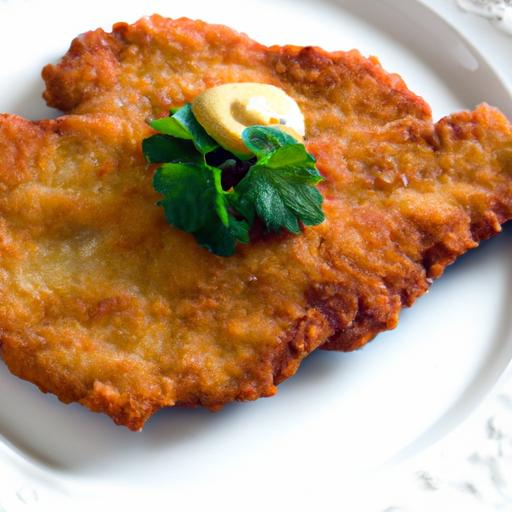
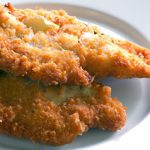
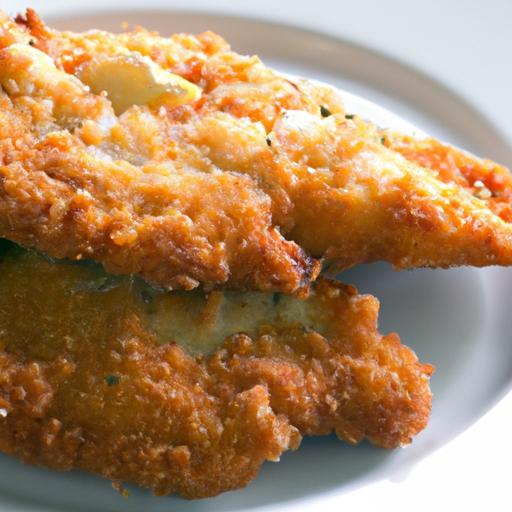

Crisp golden crust, tender meat inside, and a story that echoes through centuries-Viennese Schnitzel is far more than just a dish; it’s a cherished emblem of Austria’s culinary heritage.From bustling city streets to cozy family kitchens, this iconic delicacy has captured hearts and palates alike with its irresistible crunch and delicate flavor.Join us as we peel back the layers of history, tradition, and technique that make Viennese Schnitzel a timeless treasure from Austria’s heart, inviting you to savor every bite of its crunchy legacy.
Origins and Evolution of Viennese Schnitzel in Austrian Culture
Viennese Schnitzel is more than just a dish; it’s a cherished emblem of Austria’s culinary heritage,offering a crunchy tradition from Austria’s heart that spans centuries. Legend holds it firmly as an evolution from simple breaded and fried cutlets, perfected in Vienna’s grand kitchens to become the national pride of Austrian cuisine. Originally crafted with veal-a tender and delicate meat-this dish burst into popularity through the 19th century,symbolizing both humble rural roots and aristocratic dining.
This iconic dish embodies the Austrians’ love for simple yet refined flavors. Its rise parallels the cultural and social transformations of Vienna, where it was embraced as a staple in cafés, family homes, and festive gatherings, echoing the warmth and convivial spirit of Austrian life. The characteristic golden crust represents meticulous craftsmanship, while the tender veal beneath tempts palates with subtle richness. Through decades and across borders, Viennese Schnitzel has inspired countless variations, but the classic form remains a testament to traditional Austrian values of flavor, quality, and conviviality.
Mastering the Perfect Crunch: How to Achieve the Ideal Schnitzel Coating
Achieving that coveted crispy crunch is the heart and soul of creating the perfect Viennese Schnitzel.Start with thinly pounded veal cutlets to ensure even cooking and tenderness. The next step is the breading technique, which is crucial: a delicate, airy coating that fries to a shimmering golden brown without absorbing excessive oil.
Begin by dredging the cutlet gently in all-purpose flour, shaking off any excess to avoid clumping. Then, dip it into beaten eggs, which act as the glue anchoring the breadcrumbs. The final layer-dry, fresh breadcrumbs, preferably made from day-old crusty bread ground finely-creates the crisp texture that defines the dish. Press lightly, never compacting the crumbs, allowing the hot oil to puff and crisp the coating like a light armor.
Frying demands careful attention: use a neutral oil with a high smoke point such as refined sunflower or grapeseed oil. Maintain the temperature around 350°F (175°C) for an even golden crust. Turn only once and fry until a beautiful golden hue forms-about 2-3 minutes per side. Rest the schnitzel briefly on paper towels to drain excess oil while preserving crunch.
Choosing the Right Ingredients From Veal to Breadcrumbs Explored
- Veal Cutlets: Choose tender, lean, and uniformly thin cutlets, ideally ¼ inch thick, sourced from top round or sirloin. ask your butcher for best thickness and trim excess fat.
- Flour: Use all-purpose flour (1 cup, sifted) to create a clean base coat that helps breadcrumbs adhere perfectly.
- Eggs: Lightly beaten, about 2 large eggs, seasoned with a pinch of salt and ground white pepper to add depth.
- Breadcrumbs: Freshly ground bread crumbs from crusty white bread are ideal-avoid fine, store-bought crumbs to retain maximum crunch.
- Oil: Opt for neutral oils with high smoke points like sunflower or grapeseed oil for frying.
Prep and Cook Time
- Readiness: 20 minutes
- Cooking: 10 minutes
- Total Time: 30 minutes
Yield
Serves 4 generous portions.
Difficulty Level
Medium – requires attention to detail for perfect breading and frying temperature.
Ingredients
- 4 veal cutlets (about 5 oz. each, pounded to ¼ inch thickness)
- 1 cup all-purpose flour, sifted
- 2 large eggs, beaten with pinch of salt and white pepper
- 1 ½ cups fresh breadcrumbs (from crusty white bread)
- ½ cup sunflower or grapeseed oil (for frying)
- Lemon wedges (for garnish and serving)
- Fresh flat-leaf parsley, finely chopped (optional, for garnish)
- Salt and freshly ground white pepper (to taste)
Instructions
- Prepare the veal: Tenderize the cutlets using a meat mallet, placing each piece between plastic wrap. Aim for an even thickness of about ¼ inch for uniform cooking.
- Season and flour: Lightly salt and pepper the cutlets on both sides. Dredge each cutlet in the sifted flour, shaking off excess gently to avoid clumps.
- Egg wash: Dip floured cutlets into the beaten egg mixture, ensuring full coverage but allowing any excess to drip off.
- Bread crumb coating: Press the cutlets lightly into the fresh breadcrumbs, covering evenly. Handle gently to preserve the airy crumb texture.
- Heat oil: Pour the sunflower oil into a wide skillet,heating to 350°F (175°C). You can test by dropping a few breadcrumbs into the oil-they should sizzle and rise immediately.
- Fry: Place 1-2 cutlets in the hot oil (do not overcrowd). cook for 2-3 minutes per side until golden and crisp. Flip carefully only once to maintain coating integrity.
- Drain: Transfer schnitzels to a plate lined with paper towels to remove excess oil but keep them crisp.
- Repeat: Fry remaining cutlets, maintaining oil temperature between batches.
- Serve immediately: Garnish with fresh lemon wedges and chopped parsley for brightness and color.
Tips for Success
- For the crispiest coating, always use fresh breadcrumbs and avoid pressing the coating too firmly.
- If veal is unavailable, substitute with tender boneless chicken breast or turkey cutlets, pounded thin.
- Maintain consistent oil temperature-too low and the crust gets greasy; too hot and it burns before cooking through.
- Serve schnitzel straight from the pan or keep warm briefly in a low oven (200°F) on a wire rack to preserve crispness.
- Make-ahead tip: Bread the cutlets and refrigerate them separated by parchment paper up to 2 hours before frying.
Traditional Serving Suggestions and Complementary Austrian Pairings
Hung on plates like golden crowns,the schnitzel’s beauty is amplified by traditional Austrian accompaniments.A classic pairing involves parsley potatoes-boiled, lightly buttered, and sprinkled with vibrant parsley-offering a subtle, earthy counterpoint to the crunchy veal. for fresh zest, a crisp cucumber salad dressed with vinegar and dill complements the richness perfectly.
Lemon wedges are a must, offering a splash of acidity to balance and brighten every bite. Some also enjoy a dollop of tart lingonberry jam alongside, introducing a nuanced sweetness that contrasts deliciously with the savory meat. For a heartier meal, serve alongside roasted seasonal vegetables or a simple green salad dressed in mustard vinaigrette.
| Nutrient | Amount per Serving |
|---|---|
| Calories | 450 kcal |
| Protein | 35 g |
| Carbohydrates | 20 g |
| Fat | 25 g |

Discover more authentic Austrian recipes in our Authentic Austrian Cuisine collection. For deep cultural insights on Austrian culinary heritage, the official Austrian tourism site offers fascinating details.
Concluding Remarks
From its golden, crispy crust to the tender, succulent meat beneath, the Viennese Schnitzel is more than just a dish-it’s a tasty slice of Austria’s cultural tapestry. Every bite tells a story of time-honored techniques and a passion for simple, hearty flavors that have captivated palates for centuries. Whether enjoyed in a bustling Viennese café or recreated in kitchens far beyond Austria’s borders, the Schnitzel remains a crunchy, comforting tradition that continues to warm hearts and plates alike. So next time you savor this iconic entrée, remember: you’re tasting a piece of history, lovingly breaded and fried to perfection in the heart of Vienna.