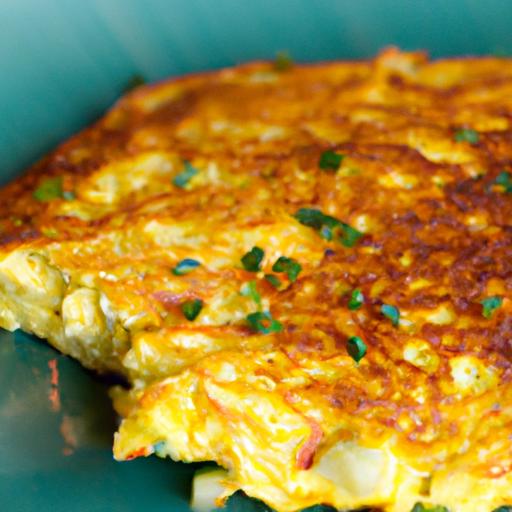


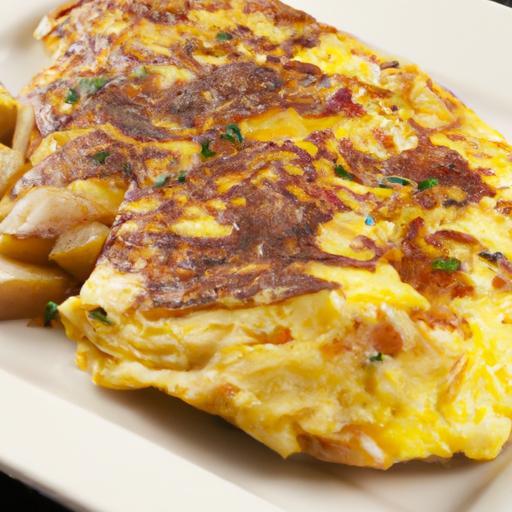

Few dishes capture teh heart and soul of Spanish cuisine quite like the humble potato omelette, or tortilla española. At first glance, it may seem deceptively simple-a modest medley of eggs, potatoes, and onions folded into a golden, tender cake. Yet beneath this unassuming surface lies a culinary treasure trove of history, technique, and regional nuance waiting to be discovered. In this article, we embark on a flavorful journey to unlock the secrets of Spain’s classic potato omelette, exploring its origins, mastering its delicate preparation, and revealing the subtle tricks that elevate it from everyday fare to an iconic symbol of spanish gastronomy. Whether you’re a seasoned cook or a curious foodie, prepare to savor the timeless magic of tortilla española like never before.
The Art of Choosing the Perfect Potatoes for an Authentic Tortilla
unlocking the Secrets of Spain’s Classic Potato Omelette begins with selecting the ideal potato variety-this simple choice shapes the texture and flavor of the entire dish.The traditional Spanish tortilla relies on Yukon Gold or other waxy potatoes that hold their shape during slow cooking without turning mushy. Their naturally buttery texture and slightly sweet notes create a creamy, tender interior while maintaining those signature tender potato bites that balance beautifully against the fluffy eggs.
For an authentic tortilla, avoid starchy Russets as they break down too much, causing a grainy texture. Instead, choose medium-sized potatoes with thin skin, perfect for slicing evenly and absorbing the subtly infused olive oil flavors. When slicing, aim for uniform, paper-thin rounds or matchstick cuts for even cooking and the best mouthfeel.
Mastering the Technique of Slow cooking for Creamy Texture
Slow cooking your potatoes in plenty of generously seasoned extra virgin olive oil is the cornerstone of unlocking that luscious creaminess that defines this classic dish.The secret lies in patience-cooking the potatoes gently over medium-low heat until they become tender, translucent, and almost melting but not browned. This technique allows the potatoes to absorb the oil and develop a warm, velvety texture that plays harmoniously with the eggs.
Use a non-stick or heavy-bottomed skillet to distribute heat evenly and prevent sticking. Keep the oil temperature steady; avoid rushing with high heat that crisps the potatoes,because the goal is softness,not crunch. Let the potatoes slowly poach rather than fry, stirring occasionally to keep them separated and coated. This gentle cooking infuses each bite with a subtle richness, the hallmark of a true Spanish tortilla.
Secrets to Achieving the Ideal Balance of Eggs and Potatoes
Securing the perfect harmony between eggs and potatoes is vital to crafting a fluffy, yet substantial omelette that melts in your mouth. The rule of thumb is to maintain roughly a 2:1 ratio of eggs to potatoes by volume, ensuring the potatoes remain the star without overpowering the egg’s airy lightness. Whisk your eggs lightly to introduce air but avoid overbeating, which can create an overly spongy texture.
season the egg mixture generously with salt and a touch of freshly ground black pepper to elevate the natural flavors. After combining the tender potatoes and onions, fold them carefully into the eggs to preserve their integrity. Cook over gentle heat, turning once, to achieve a golden exterior while keeping the interior moist and tender.
Tips for Elevating Your Potato Omelette with Traditional and Modern Twists
Once you’ve mastered the classic, there’s a world of inspiration to infuse personality into your potato omelette. Traditionalists swear by the simple accompaniment of soft onions slowly caramelized alongside the potatoes for subtle sweetness that balances the egg’s richness. For a modern twist,try incorporating finely chopped fresh herbs like parsley or tarragon right before serving for luminous freshness.
For added depth and texture, consider folding in sautéed bell peppers or roasted piquillo peppers, which impart smoky, vibrant notes without overshadowing the delicate harmony. A sprinkle of aged Manchego cheese or a drizzle of high-quality infused olive oil just before plating can transform your tortilla into a multi-dimensional masterpiece.
Don’t hesitate to experiment with presentation; small individual-sized tortillas in mini skillets add a charming rustic touch perfect for tapas-style dining. Lightly garnish with microgreens or a fragrant paprika dusting to tantalize all the senses.
Prep and Cook Time
- Preparation: 15 minutes
- Cooking: 30 minutes
- Total: 45 minutes
Yield
Serves 4-6 as a main or tapas portion
Difficulty Level
Medium – requires attentive slow cooking and careful flipping
Ingredients
- 1 lb (450g) yukon Gold potatoes, peeled and thinly sliced
- 1 medium onion, thinly sliced (optional but traditional)
- 6 large eggs, lightly beaten
- 1 cup extra virgin olive oil (for slow cooking)
- Salt, to taste
- Freshly ground black pepper, to taste
Instructions
- Heat the olive oil in a large non-stick skillet over medium-low heat until shimmering gently.
- Add the sliced potatoes and onions (if using), spreading them evenly. Season lightly with salt.
- Cook slowly, stirring occasionally for about 20 minutes, until the potatoes are soft but not browned. Maintain a low to medium flame to poach, not fry.
- Using a slotted spoon, transfer the potatoes and onions to a large bowl to drain excess oil.Leave the oil in the pan.
- Whisk the eggs with salt and pepper, then fold in the warm potatoes and onions gently.
- Pour the mixture into the skillet, spreading evenly over the reserved hot olive oil.
- Cook on medium-low heat for about 6-8 minutes until the edges set and the bottom is golden brown.
- Carefully flip the tortilla onto a large plate, then slide it back into the pan to cook the other side for another 4-5 minutes until fully set.
- Remove from heat and let rest for a few minutes, allowing flavors to meld and texture to firm up slightly.
Chef’s Notes
- Use a flexible spatula or non-stick pan to ease the flipping process and reduce breakage.
- Make ahead and enjoy cold or room temperature – tortilla flavors deepen beautifully over time.
- Substitute onions with finely chopped leeks or scallions for a gentle, fresh note.
- For a vegan version, you can experiment with chickpea flour batter, but textures and flavors shift dramatically.
Serving Suggestions
Serve slices warm or at room temperature with a simple green salad and crusty artisan bread. Garnish with fresh parsley or a light dusting of smoked paprika for colour. A side of roasted piquillo peppers or a bowl of olives makes for an inviting,authentic Spanish tapas experience. Drizzle just a hint of high-quality olive oil on top before serving for a professional finish.

| Nutrient | Per Serving (approx.) |
|---|---|
| calories | 320 kcal |
| Protein | 10 g |
| Carbohydrates | 25 g |
| Fat | 20 g |
For a detailed exploration of authentic Spanish flavors and cooking techniques, explore our Complete Guide to spanish Tapas. To dive deeper into the nutritional science behind ingredients, visit The Nutrition Society.
Future Outlook
As the final slice of Spain’s classic potato omelette melts on your tongue, you begin to understand why this humble dish has captured hearts for centuries. Beyond its simple ingredients lies a culinary story rich with tradition, regional flair, and a touch of magic that transforms everyday potatoes and eggs into a beloved national treasure. Whether enjoyed at a lively tapas bar or savored in the quiet of your own kitchen, unlocking the secrets of the tortilla española invites you to taste not just a dish, but a piece of Spain’s vibrant culture. So, roll up your sleeves, embrace the art of patience and technique, and let this golden masterpiece inspire your next cooking adventure-as sometimes, history is best served on a plate.