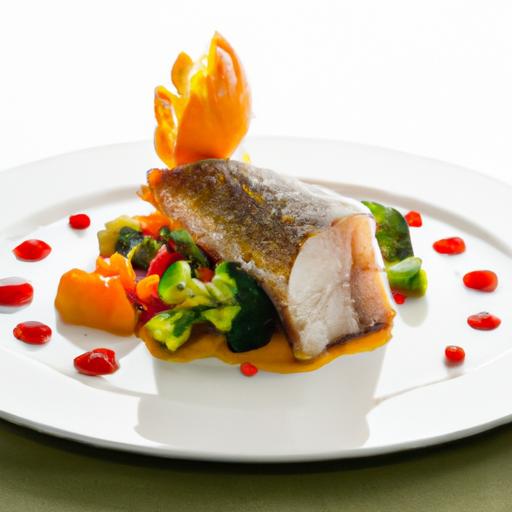





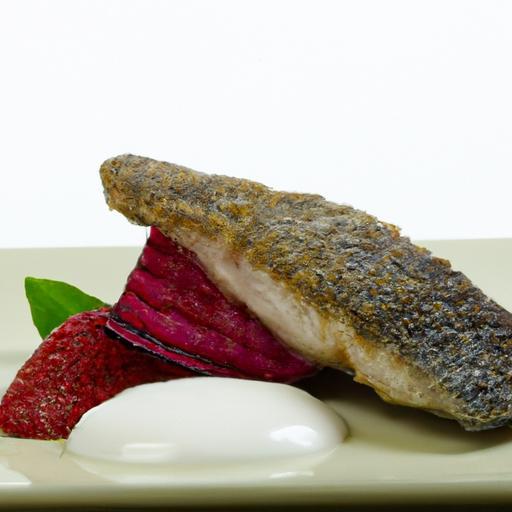

There’s a timeless magic that happens when fish meets salt-not just as a seasoning but as a transformative embrace. Salt-crusting is an ancient culinary art that locks in moisture, intensifies natural flavors, and creates a perfectly tender, succulent fish that practically melts in your mouth. In this article,we’ll dive into the secrets behind this deceptively simple technique,uncover its science,and guide you step-by-step on how to unlock the full spectrum of flavour hidden beneath that salty shell. Prepare to elevate your seafood cooking and discover the beauty of a dish where salt becomes the hero, not just a seasoning.
Unlocking flavor in salt-crusted fish begins with selecting the right salt and fish, then mastering the delicate balance of technique and timing to create a moist, tender masterpiece. This method traces its roots to Mediterranean coastal traditions, where the salt crust acts as a natural oven that seals in juices and amplifies the fresh taste of the sea. My frist experience with salt-crusted fish was during a sunlit family gathering, where this deceptively simple dish stole the show through its luscious texture and clean, vibrant flavors.
Prep and Cook Time
- Readiness: 20 minutes
- Cooking: 40-50 minutes (depending on size and type of fish)
- Resting: 10 minutes
Yield
serves 4 hearty portions
Difficulty Level
Medium – perfect for home cooks seeking to impress with elegant technique
Ingredients
- Whole fresh fish (1.5-2 lbs),scaled and gutted (sea bass,snapper,or branzino recommended)
- 4 cups coarse sea salt
- 2 egg whites (for binding the salt crust)
- 2 sprigs fresh rosemary or thyme
- 2 cloves garlic,thinly sliced
- Zest of 1 lemon
- Freshly ground black pepper to taste
- Olive oil (for finishing drizzle)
Instructions
- Prepare the salt crust mixture: In a large bowl,combine the coarse sea salt with the egg whites. mix with your hands until the salt is slightly damp and packs together like wet sand. This binding is crucial to form a sturdy crust that traps moisture throughout baking.
- season the fish: Rinse and pat dry the fish thoroughly. Insert the garlic slices, lemon zest, and herb sprigs into the cavity. Lightly brush the outside with olive oil and season with freshly ground black pepper – avoid adding salt here to prevent oversalting.
- Build the salt bed: On a lined baking sheet, spread about one-third of the salt mixture evenly into a bed large enough to hold the fish.Carefully place the fish on the salt bed.
- Encase the fish: Cover the fish fully with the remaining salt mixture, gently patting and molding it tightly around the fish to seal in all the aromas and juices. Smooth the surface to form an even crust.
- Bake precisely: Transfer to a preheated oven at 400°F (200°C). Bake for 40-50 minutes depending on the fish size – about 20 minutes per pound. The crust will harden and turn slightly golden.
- Rest and unveil: Remove the fish from the oven and let it rest for 10 minutes. Then, using a small hammer or the back of a spoon, crack open the salt crust carefully to reveal the perfectly steamed, juicy fish inside.
- Serve: Gently peel away skin and herbs, then transfer the moist fillets to plates. Drizzle lightly with high-quality olive oil and garnish with fresh lemon wedges and herbs for a radiant finish.
Tips for Success
- Choosing the fish: Opt for firm-fleshed varieties such as sea bass, snapper, or branzino for best results. Freshness is imperative as the salt crust intensifies the fish’s natural flavor.
- Salt selection: Use coarse sea salt rather than iodized table salt. Its crystalline texture forms a robust shell that locks in moisture like a natural oven.
- don’t oversalt: Keep salt outside the fish cavity to avoid excess sodium. The salt crust season subtly and evenly when baked properly.
- Wiring egg whites: They act as a glue making the crust firm but easy to break later. For a dairy-free variation, a few drops of water can help bind salt, but egg whites are best for texture.
- Monitoring baking time: Precision is critical – underbaking can leave the fish too rare, overbaking dries it out. Use baking time as a guide and test the flesh gently after resting.
- Make ahead: Assemble the crust and fish, then refrigerate covered for up to 2 hours before baking. This helps the flavors marry beautifully.
Serving Suggestions
present your salt-crusted fish whole on a rustic wooden board to highlight its artisanal appeal. Garnish with fresh sprigs of thyme or rosemary and a scattering of finely chopped parsley for vibrant color contrast. A drizzle of extra virgin olive oil and a squeeze of bright lemon juice awaken the palate. Pair with light sides such as a crisp arugula salad dressed in lemon vinaigrette, roasted baby potatoes, or grilled seasonal vegetables to complement the clean, natural taste from the salt crust infusion. For an extra touch, sprinkle crushed pink peppercorns over the fillets for a subtle peppery kick.

| Nutrient | Per Serving |
|---|---|
| Calories | 280 kcal |
| Protein | 35 g |
| Carbohydrates | 1 g |
| Fat | 12 g |
Discover more techniques for seafood preparation in our Guide to Perfect Grilled Salmon. For a deeper dive into salt’s culinary chemistry, visit The Culinary Institute of America.
Final Thoughts
As the flaky, tender fish emerges from its shimmering salt crust, you witness more than just a meal-you experience a culinary masterpiece perfected through technique and tradition. Unlocking the art of salt-crusted fish is an invitation to explore the delicate balance between simplicity and sophistication, where humble ingredients transform into an extraordinary feast. Whether you’re a seasoned chef or a curious home cook, mastering this method unlocks a world of flavor that celebrates both the sea and the craft. So next time you seek a dish that’s as notable as it is indeed tasty, remember: sometimes, all it takes is a crust of salt to reveal the true magic beneath.