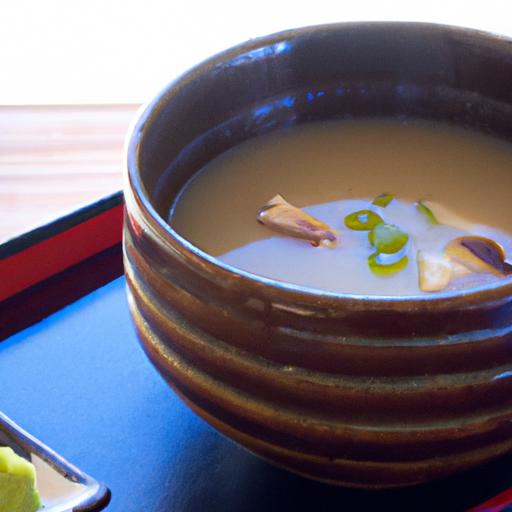







In the vast world of flavors, umami stands as the subtle yet unforgettable taste that transforms simple dishes into comforting masterpieces. Among the many culinary treasures that showcase this savory depth,miso soup reigns supreme-a harmonious blend of tradition,nutrition,and rich,complex flavor. But rather than relying on instant packets or pre-made broths, imagine unlocking umami’s full potential right in your own kitchen. This article invites you on a flavorful journey to craft homemade miso soup, where each stirring ladle captures the essence of umami through fresh ingredients, time-honored techniques, and a touch of creative flair. Prepare to awaken your palate and discover how this humble soup can become your new secret weapon for satisfying, soul-warming meals.
Understanding Umami the secret Savory Boost in Conventional Miso Soup
Unlock Umami: Crafting Flavorful Homemade Miso Soup begins with embracing the heart of Japanese culinary magic-umami. Frequently enough described as the elusive “fifth taste,” umami offers a rich, savory depth that transforms a simple bowl of broth into an unforgettable experience. This complex flavor stems from naturally occurring glutamates found in fermented ingredients like miso paste, seaweed, and dried mushrooms. When combined thoughtfully, these elements elevate every sip with a velvety, mouthwatering essence synonymous with traditional miso soup.
Choosing the Perfect Miso Paste: Exploring Varieties and Flavor Profiles
The cornerstone of this soulful soup is your miso paste, a fermented soybean product that comes in several varieties, each imparting distinct flavors and colors. White miso (shiro) is sweet and mild, ideal for gentle broths, while yellow miso (shinshu) balances sweetness and saltiness. For a bolder, earthier taste, red miso (aka) delivers intense umami with a robust punch. When you unlock umami with miso, choosing the right paste aligns your broth’s personality with your palate, whether you desire a light, comforting cup or a hearty savory broth.
Essential Ingredients to Elevate Your Homemade Miso Broth
- 4 cups dashi stock (kombu and dried shiitake-based for a vegetarian-friendly umami boost)
- 3 tablespoons miso paste (choose white, yellow, or red based on flavor preference)
- 1/2 cup silken tofu, cubed
- 2 green onions, thinly sliced
- 1/4 cup wakame seaweed, rehydrated and drained
- 1 teaspoon dried shiitake mushroom powder (optional for depth)
- 1 tablespoon mirin (optional for subtle sweetness)
- Pinch of sea salt (to taste, if needed)
Step by Step Guide to Crafting a Balanced and Flavorful Miso Soup
- Prepare your dashi stock: Combine 4 cups cold water with a 4-inch kombu strip and dried shiitake mushrooms in a saucepan. Slowly heat to just before boiling, then remove kombu and mushroom. This creates a clean, umami-rich base.
- Rehydrate wakame: While your dashi simmers, soak the wakame in warm water for 10 minutes until it puffs and softens. Drain and set aside.
- Incorporate mushroom powder: Sprinkle shiitake mushroom powder into your warm dashi for a subtle umami lift without overpowering the broth.
- Dissolve miso paste gently: Ladle about a cup of warm broth into a small bowl and whisk in miso until smooth. Avoid boiling miso directly in the pot to keep its delicate enzymes alive.
- Combine and heat: Slowly stir the miso mixture back into the pot, warming gently on low heat without boiling. This preserves the vibrant aroma and flavors.
- Add tofu and wakame: Carefully fold in cubed silken tofu and softened wakame. Heat for 2-3 minutes until everything is warmed through.
- Finalize with green onions and seasoning: Stir in thinly sliced green onions and a splash of mirin if using. Taste and adjust salt as needed for balance.
Prep and Cook Time
- Prep Time: 15 minutes
- Cook Time: 15 minutes
- Total Time: 30 minutes
Yield
- Serves 4 small bowls
Difficulty Level
- Easy
Tips for Success
- Never boil miso paste: high temperatures destroy miso’s delicate flavors and probiotics. Adding it at the end, off the heat, ensures vibrant umami.
- Experiment with miso blends: Mix white and red miso for a perfectly balanced broth tailored to your taste.
- Use fresh dashi: Homemade kombu-shiitake dashi unlocks superior flavor over instant versions, but quality store-bought dashi works well too.
- Make ahead tip: Prepare and chill dashi stock up to 3 days in advance for convenience.
- Vegetarian or vegan friendly: Skip traditional bonito flakes and stick with kombu and mushroom dashi to keep this recipe plant-based.
Serving Suggestions
Present this glowing bowl of miso soup topped with finely chopped green onions and a sprinkle of toasted sesame seeds for a crunchy contrast. Serve alongside steamed jasmine rice and light vegetable sides like steamed bok choy or pickled cucumbers. A small drizzle of chili oil adds heat and complexity for adventurous palates. Warm your guests from the inside out with this nurturing, umami-packed classic.

| Nutrient | Per Serving |
|---|---|
| Calories | 75 kcal |
| Protein | 6 g |
| Carbohydrates | 5 g |
| Fat | 2 g |
For more on exploring Japanese flavors and how umami influences global cuisine, check out this extensive Britannica article on umami.
Insights and Conclusions
As you savor the last warm spoonful of your homemade miso soup, you’ve not only enjoyed a comforting bowl but also unlocked a world of umami magic-a delicate harmony of savory depths and subtle nuances crafted from simple, wholesome ingredients. Making miso soup from scratch invites you to connect with an ancient tradition while customizing each sip to your taste, proving that great flavor doesn’t have to be complicated. So, whether you’re seeking a nourishing start to your day or a soulful nightcap, remember: the secret to unlocking true umami lies within your own kitchen, waiting patiently in every carefully stirred pot. Happy crafting, and may your miso adventures be as rich and rewarding as the broth itself.