

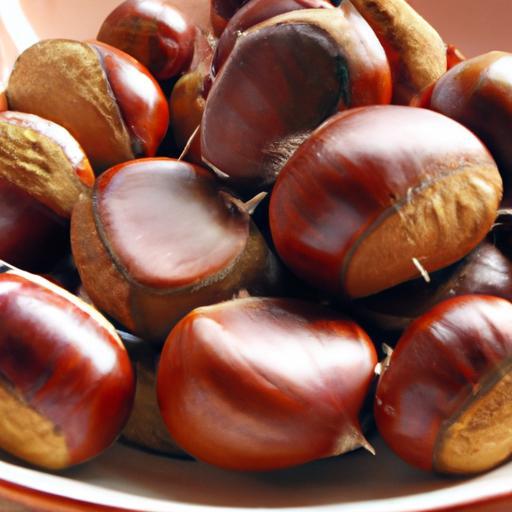

As autumn leaves crunch beneath our feet and teh air turns crisp with the promise of approaching winter, one timeless aroma begins to weave through bustling streets and cozy corners alike-the unmistakable scent of roasting chestnuts. More than just a seasonal treat, perfectly roasted chestnuts embody an artful balance of tradition, technique, and sensory delight. From their humble origins as a nourishing staple to their cherished place in festive celebrations worldwide, these glossy nuts transform under heat into tender morsels whose sweet, smoky fragrance captivates the senses. In exploring the art and aroma of perfectly roasted chestnuts, we uncover not only the secrets of their ideal planning but also why their warm, inviting essence continues to enchant generations year after year.
The science behind the ideal chestnut roast temperature and timing unlocks the secret to that irresistible aroma and perfectly tender texture that chestnut lovers crave. Selecting prime chestnuts combined with mastering both conventional and modern roasting methods results in a sublime experience that engages all the senses. From crackling skins to sweet, buttery interiors, each step is a dance of heat and patience.
Prep and Cook Time
- Preparation: 10 minutes
- Roasting: 25-35 minutes depending on method
- Total Time: 45 minutes
Yield
serves 4 as a delightful seasonal snack or side.
Difficulty Level
Easy to Medium – accessible for all home cooks yet rewarding with practiced precision.
Ingredients
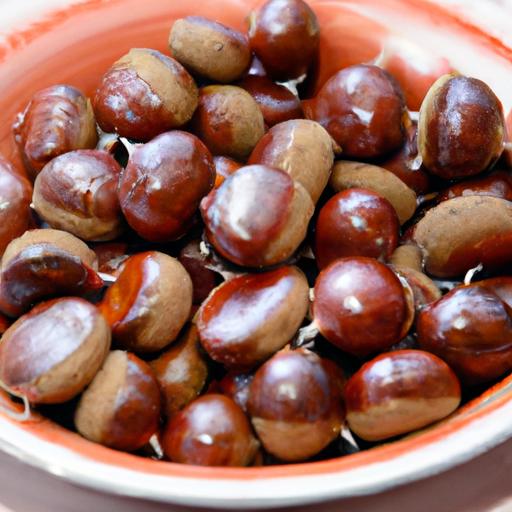
- 1 pound fresh chestnuts, firm and shiny with tight shells
- 1 tablespoon sea salt (optional, for soaking)
- Water for soaking the chestnuts
- Olive oil or melted butter, for brushing (optional)
- Fresh herbs (such as rosemary or thyme), optional for aroma enhancement
Instructions
- Prepare the chestnuts: Rinse the chestnuts thoroughly under cool water. Using a sharp knife, carefully score an “X” on the flat side of each chestnut to facilitate steam release and peeling after roasting.
- Soak the chestnuts: Place them in a bowl of water with sea salt and soak for 20 minutes. This step softens the shells and creates steam inside during roasting, making peeling easier.
- Preheat your oven or pan: For oven roasting, set to 425°F (220°C). For stovetop roasting, preheat a heavy skillet or cast-iron pan over medium heat.
- roast the chestnuts: For oven method, arrange chestnuts scored side up on a baking tray lined with parchment paper or foil. Roast for 25-30 minutes, turning once halfway through for even cooking. For stovetop, place chestnuts in the hot pan, stirring frequently to prevent burning until shells darken and interiors soften, about 20-25 minutes.
- check for doneness: The ideal roast temperature causes the chestnuts’ interior to become soft and fragrant without drying out. A perfectly roasted chestnut shell will separate easily from the nut when peeled.
- Cool and peel: remove from heat and cover loosely with a damp cloth for 5-10 minutes to retain moisture and make peeling easier. Peel while still warm for best texture.
- Optional finishing touch: Brush warm chestnuts lightly with olive oil or melted butter and sprinkle with freshly chopped herbs to elevate the aroma and flavor.
Chef’s Notes
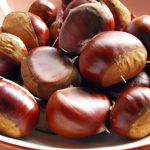
- Select chestnuts that are heavy for their size with glossy, intact shells - these are the freshest and richest in flavor.
- Scoring chestnuts deeply enough yet carefully is crucial – too shallow and the steam won’t escape, too deep and the nut may dry.
- Experiment with roasting style: Traditional open fire roasting imparts smoky notes, while oven or pan roasting promises consistency and ease.
- Make-ahead tip: Roast chestnuts can be stored in an airtight container in the refrigerator for up to 3 days and gently reheated in a pan or oven.
- Peeling tip: Using a kitchen towel to hold hot chestnuts aids grip and protects fingers from sharp edges.
Serving Suggestions
Perfectly roasted chestnuts shine bald and simple or paired elegantly to elevate any meal:
- Serve warm in rustic bowls lined with parchment for a cozy snack during autumn or winter gatherings.
- Garnish with a sprinkle of flaky sea salt and a few herbs like fresh rosemary to accentuate the nutty aroma.
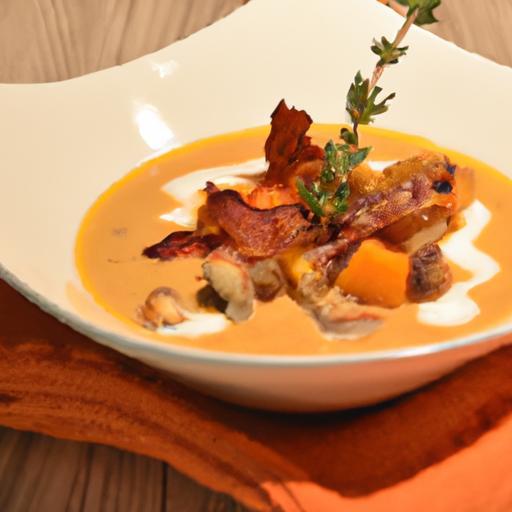
- Combine with roasted root vegetables or add to a wild mushroom sauté for an earthy, textured side dish.
- Pair with toasted artisan bread and creamy goat cheese for a refined appetizer board.
- Elevate the sensory experience by enjoying near a fragrant herbal tea or freshly brewed coffee, complementing the warm, inviting notes of the chestnuts.
The Ideal Chestnut Roast Temperature and Timing: Essential Guide
Roasting chestnuts at 425°F (220°C) creates the perfect balance between shell charring and nut caramelization. Temperature plays a pivotal role: too high, and the chestnut may crack and dry; too low, and roasting becomes uneven, leading to leathery interiors. Time is equally key-typically, 25-30 minutes offers optimal results ensuring a creamy, tender kernel bursting with sweetness. Frequent turning or stirring during roast optimizes heat distribution and contributes to the coveted crackling sound as shells open.

Selecting the Right chestnuts for Maximum Flavor and Texture
To truly master the art and aroma of perfectly roasted chestnuts,start with selections that speak quality: firm,glossy,and unblemished nuts will roast evenly and taste vibrant. Fresh chestnuts should feel dense and heavy, indicating moisture retention critical for bursting with natural sweetness post-roast. Avoid chestnuts with holes or moldy marks, which signal age and less flavorful interiors.
Mastering Traditional and Modern Roasting Techniques for Perfect Results
traditional roasting over open flame or embers imparts a subtle smoky depth and crackled exterior-perfect for seaside markets or winter festivals. In contrast, electric or gas ovens provide consistent, controlled temperatures vital for home cooks seeking repeatable perfection. Cast-iron pans offer an excellent stovetop option, enabling artisanal stirring and watching the process intimately. Whichever method you choose, timing and temperature precision define the difference between ordinary and sublime.
Enhancing the Aroma Experience with Expert Tips and Complementary Pairings
The aroma of roasting chestnuts is a warm invitation, best enhanced by subtle seasoning and pairing. Lightly coating roasted chestnuts with olive oil and fresh herbs such as rosemary or thyme intensifies herbal warmth, fusing with the nutty scent. Complement roasted chestnuts with spiced apples, cinnamon-infused nuts, or a drizzle of honey to amplify sensory layers. Serving alongside fragrant hot beverages like spiced chai or herbal infusions finishes the experience with finesse, turning simple roasted chestnuts into a multisensory celebration.
| Nutrient | Per 100g |
|---|---|
| Calories | 245 kcal |
| Protein | 3.2 g |
| Carbohydrates | 53 g |
| Fat | 2.2 g |
For more warming, nut-based recipes and roasting tips, explore our comprehensive nut roasting guide. Additionally, delve into the science of food aromas with ScienceDaily’s article on food aroma and flavor formation for a deeper understanding.
Future outlook
As the final crackle of the roasting fire fades and the warm, nutty aroma lingers in the air, we are reminded that perfectly roasted chestnuts are more than just a seasonal treat-they are a timeless dance of art and science. From selecting the finest nuts to mastering the subtle balance of heat and time, each step shapes a sensory experience that evokes nostalgia and comfort. Whether savored on a crisp autumn evening or shared among friends beside a hearth, the humble chestnut invites us to slow down, appreciate craftsmanship, and relish the simple pleasures roasted to perfection.So next time you hear that telltale pop and catch that inviting scent, you’ll know the story behind every golden bite.