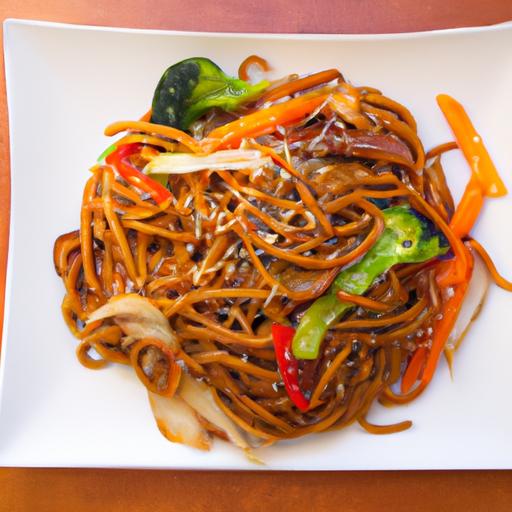




ThereS something magnetic about the sizzle of noodles hitting a hot pan, the aroma of savory sauces mingling with fresh vegetables, adn the satisfying snap of perfectly cooked yakisoba. More than just a casual street food, authentic stir-fried yakisoba noodles embody a harmonious blend of textures, flavors, and cultural heritage that has captivated palates worldwide. In this article,we embark on a delicious journey to master the art of crafting genuine yakisoba-unveiling the secrets behind it’s distinctive sauce,the ideal wok technique,and the thoughtful balance of ingredients that transform simple noodles into a vibrant,mouthwatering masterpiece. Whether you’re a kitchen novice or a seasoned cook, get ready to savor the flavor and elevate your stir-fry game to new heights.
Choosing the Perfect Ingredients for Irresistible Yakisoba
Savor the Flavor by starting with the freshest,most vibrant ingredients-this is the secret to authentic stir-fried yakisoba noodles that burst with irresistible taste and texture. Conventional yakisoba shines when you balance crisp vegetables, chewy noodles, and umami-rich protein. Opt for fresh cabbage leaves with their slightly sweet crunch, carrots sliced into thin matchsticks for subtle earthiness, and shining green scallions to crown your dish with freshness. Instead of common pork options, lean chicken thigh or tender beef strips bring satisfying savor without overpowering the other elements.
For noodles,seek out fresh yakisoba-style wheat noodles; if unavailable,alkaline ramen or chow mein noodles make excellent stand-ins. Proper noodle selection ensures that each bite boasts the signature springy chew that defines this dish. When it comes to aromatics, high-quality garlic and ginger, freshly minced, elevate the flavor profile instantaneously.
Techniques to Achieve the Ideal Stir-Fry Texture and Flavor
Mastering the stir-fry technique is essential to truly savor the flavor of authentic yakisoba. begin by prepping all ingredients-chop, slice, and measure everything before turning on the heat. The key is to cook over high heat with swift,continuous stirring to prevent sogginess and keep vegetables vibrant and slightly crisp.
Heat a heavy-bottomed wok or large skillet until it radiates heat, then add a high-smoke point oil like vegetable or sunflower oil. Sear your protein first, giving it a caramelized edge before removing it to rest. Next, swiftly stir-fry vegetables in batches-don’t overcrowd the pan to avoid steaming. Add pre-cooked or fresh noodles toward the end, using a gentle toss to marry flavors without breaking the strands.
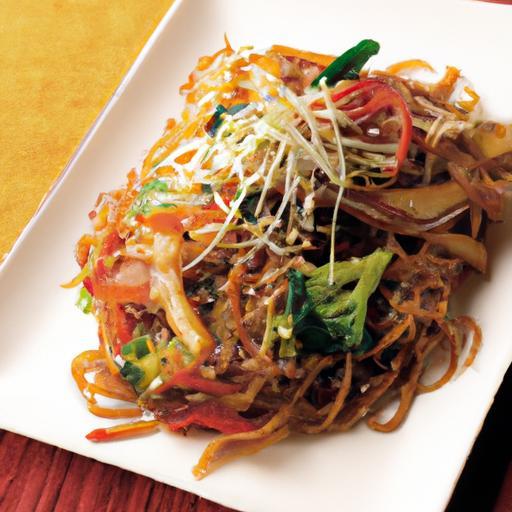
incorporate the yakisoba sauce and toss well to coat everything evenly. The sauce should cling to every strand and vegetable, building a glossy, mouthwatering finish. The controlled heat and precise timing ensure your yakisoba never feels greasy but stays delightfully light.
Crafting an Authentic Yakisoba Sauce from scratch
Crafting your own yakisoba sauce is a rewarding step towards intensifying the umami-packed savor the flavor that makes this classic street food unforgettable. This sauce balances sweet, salty, and tangy notes, and making it from scratch gives you full control over the depth and balance.
- Soy sauce: The salty backbone.
- Worcestershire sauce: Adds complexity; use a vegetarian-pleasant version if needed.
- Oyster sauce choice: Mushroom sauce or soy-based vegetarian oyster sauce preserves that umami-rich character without shellfish.
- Ketchup: A hint of sweetness and tang.
- Sugar or honey: Rounds out acidity with subtle natural sweetness.
Whisk these ingredients together until smooth and glossy. Adjust each component according to your preference-more ketchup for tang, extra soy sauce for savoriness, or a tad more sugar for sweetness. This balance will coat your noodles perfectly and bring every ingredient to life.

Presentation Tips to Elevate Your Yakisoba Experience
Presentation is the final flourish that invites diners to savor the flavor fully. Use a wide, shallow plate or a rustic wooden bowl to showcase the noodle’s glossy strands, glimmering with sauce. Garnish with thinly sliced pickled ginger (beni shoga) for a burst of color and subtle acidity,or sprinkle toasted sesame seeds to add subtle crunch and nutty aroma.
A handful of finely chopped scallions or fresh coriander adds refreshing green contrast and boosts the visual appeal. For an extra-special touch, top your yakisoba with a drizzle of Japanese mayonnaise for luscious creaminess or a sprinkle of aonori (seaweed flakes) to invoke traditional authenticity.
serve alongside chilled japanese beer or a citrusy green tea to cleanse the palate and round out the experience. This thoughtful plating instantly transforms home-cooked yakisoba into a feast for the senses,making every bite as memorable as it is delicious.
Prep and Cook Time
- Prep time: 20 minutes
- Cook Time: 15 minutes
Yield
Serves 4 generous portions
Difficulty Level
Medium – perfect for home cooks looking to impress with authentic flavors
Ingredients
- 300g fresh yakisoba noodles (or substitute with alkaline ramen noodles)
- 200g boneless chicken thigh, thinly sliced
- 2 tbsp vegetable oil
- 1 cup green cabbage, shredded
- 1 medium carrot, julienned
- 3 scallions, thinly sliced (reserve some for garnish)
- 2 cloves garlic, minced
- 1 tsp fresh ginger, grated
- Yakisoba sauce:
- 3 tbsp soy sauce
- 2 tbsp Worcestershire sauce (vegetarian-friendly if preferred)
- 1 tbsp mushroom sauce (vegetarian oyster sauce alternative)
- 1 tbsp ketchup
- 1 tsp honey or sugar
- Optional garnishes: pickled ginger, toasted sesame seeds, aonori, Japanese mayonnaise
Instructions
- Prepare the sauce: In a small bowl, whisk together soy sauce, Worcestershire sauce, mushroom sauce, ketchup, and honey until smooth. Set aside.
- Cook the chicken: Heat 1 tbsp vegetable oil in a wok or large skillet over high heat. Add sliced chicken thighs and sauté until golden brown and cooked through, about 4-5 minutes. remove and set aside.
- Stir-fry aromatics and veggies: In the same pan, add remaining oil. Toss in garlic and ginger, sautéing until fragrant (about 30 seconds). Add shredded cabbage and carrot; stir-fry until vegetables are crisp-tender, about 3-4 minutes.
- Add noodles and protein: Gently loosen the yakisoba noodles and add to the pan along with cooked chicken. Toss constantly to combine without breaking the noodles, approximately 2 minutes to heat through evenly.
- Incorporate sauce: Pour the yakisoba sauce over the noodle mixture. Use tongs or chopsticks to toss and coat everything uniformly, cooking for 1-2 more minutes until the sauce thickens slightly and clings beautifully.
- Finish and serve: Transfer to plates or a large serving dish. Garnish with reserved scallions, toasted sesame seeds, and pickled ginger to add contrast and freshness.
Chef’s Notes
- Vegetarian variation: Swap chicken for firm tofu, pressed and cubed, or add shiitake mushrooms for earthiness.
- noodle tips: If using dried noodles, pre-soak or boil until pliable but still firm to achieve the perfect chew.
- Make-ahead sauce: Homemade yakisoba sauce stores beautifully in an airtight container in the fridge for up to 2 weeks.
- Avoid soggy noodles: Always use high heat and avoid overcrowding the pan for crisp veggies and perfect texture.
Serving Suggestions
Serve your yakisoba piping hot right from the wok for best texture and flavor. Complement the dish with fresh green salad or a side of miso soup to balance its savory richness. A light drizzle of Japanese mayonnaise and a sprinkle of aonori add visual appeal and an extra layer of indulgence. for a casual feast, offer chopsticks alongside a chilled glass of citrus-infused soda or Japanese iced green tea.
| Nutrition (Per Serving) | Amount |
|---|---|
| Calories | 420 kcal |
| Protein | 28g |
| Carbohydrates | 45g |
| Fat | 10g |

For more delicious stir-fry ideas, check out our Ultimate Homemade Ramen Guide. To deepen your understanding of Japanese cooking essentials, explore JapaneseCooking101.
Closing Remarks
As the sizzling symphony of ingredients settles into a harmonious blend of texture and taste, mastering authentic stir-fried yakisoba becomes more than just a cooking feat-it’s an invitation to celebrate tradition on your very own plate. With each bite, you’re not only savoring bold, savory flavors but also honoring the artistry and culture woven into every strand of these beloved Japanese noodles.So, roll up your sleeves, ignite your stove, and let yakisoba’s vibrant medley transform your kitchen into a haven of culinary delight. After all,true mastery lies not just in the recipe,but in the joy of sharing every flavorful moment.