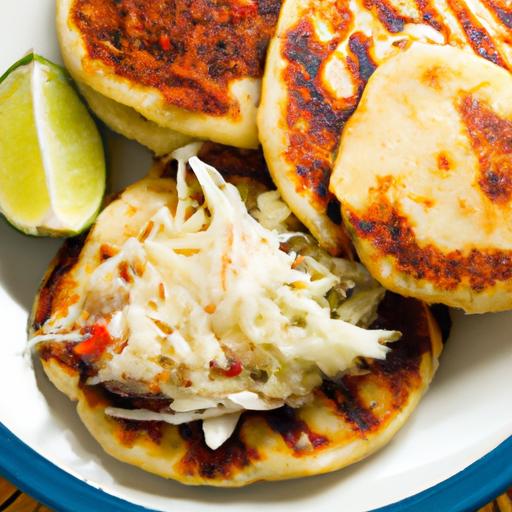

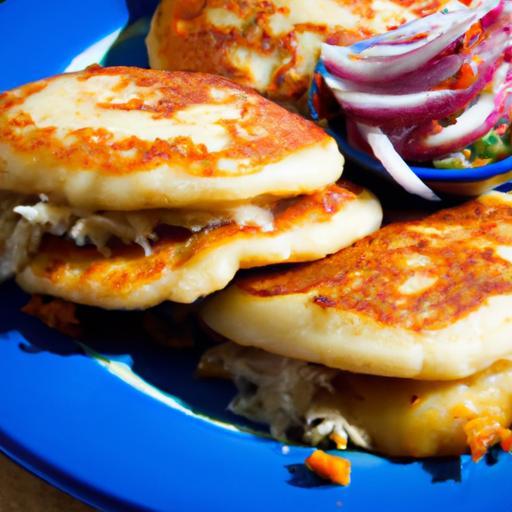

Nestled within the vibrant tapestry of Salvadoran culture lies a culinary treasure that transcends borders and captures hearts: the pupusa. More than just a humble dish, pupusas are the savory soul of El Salvador, unwrapped to reveal layers of history, tradition, and flavor in every bite. This golden,hand-crafted tortilla-filled with cheese,beans,pork,or a medley of beloved ingredients-embodies the warmth of home and the spirit of community. Join us as we peel back the layers of this iconic comfort food, exploring its origins, cultural significance, and the irresistible charm that makes pupusas the beating heart of Salvadoran cuisine.
Pupusas Unwrapped offer a captivating glimpse into the soul of Salvadoran cuisine, a dish brimming with history, culture, and ever-evolving flavors. Originating from El Salvador’s indigenous Pipil people, pupusas are handcrafted corn tortillas folded over with savory fillings, meticulously cooked on a flat griddle called a comal. My earliest memory of pupusas was at a lively street market in San salvador, where the aroma of fresh masa mingled with melting cheese and smoky charcoal defined every bite.This rustic yet elegant simplicity makes pupusas beloved worldwide.
Prep and Cook Time
- Preparation: 20 minutes
- Cooking: 15 minutes
- Total Time: 35 minutes
Yield
4 servings (8 medium-sized pupusas)
Difficulty Level
Medium – requires some practice to shape and cook pupusas perfectly
Ingredients
- 2 cups masa harina (corn flour specifically for tortillas)
- 1 1/2 cups warm water
- 1 tsp salt
- 1 cup shredded mozzarella cheese (or a melting cheese alternative)
- 1 cup refried black beans (smooth, no added lard)
- 1 cup finely chopped cooked spinach (drained)
- 1/2 cup cooked and crumbled queso fresco (for a classic salvadoran touch)
- Cooking oil spray or a small amount of vegetable oil (for the griddle)
Instructions
- Prepare the masa dough: In a large bowl, combine masa harina and salt. Gradually stir in warm water, mixing with your hands until the dough is soft but not sticky.Cover with a damp cloth and let rest for 10 minutes.
- Divide and shape dough balls: Split the dough into 8 equal balls,roughly the size of a golf ball. Keep them covered to prevent drying.
- Assemble pupusas: Flatten one dough ball into a 4-inch disc using your palms. Place about 2 tablespoons of a filling mixture (try mozzarella with spinach or black beans with queso fresco) in the center.
- Seal the filling: Carefully fold edges over filling, pinching to seal, then gently press the stuffed ball into a flat 1/2-inch thick circle. Take care to avoid cracks,which cause filling to leak.
- Preheat your comal or non-stick skillet: Over medium heat, lightly spray or brush with oil to prevent sticking.
- Cook pupusas: Place each pupusa on the griddle. Cook for 4-5 minutes per side, flipping gently until a golden crust forms and the cheese inside melts. Listen for a subtle sizzling sound indicating proper heat.
- Rest and serve: Remove from heat and let sit for 2 minutes to firm up before serving.
Tips for Success
- Moisture balance is key: adjust water a tablespoon at a time if dough feels too dry or crumbly.
- Prevent sticking: Keep your hands slightly damp when shaping pupusas; this helps smooth the dough and prevents cracking.
- Popular filling combos: Try quesillo (mozzarella) and curd cheese, or black beans with mild jalapeños.
- Cast iron skillet vs.comal: If you don’t have a comal,a well-seasoned cast iron skillet works beautifully for even heat distribution.
- Storage: Pupusas can be frozen uncooked-just layer in parchment paper and freeze. Cook straight from frozen with slight extra time.
Serving Suggestions
Traditionally, pupusas are accompanied by curtido, a tangy Salvadoran pickled cabbage slaw that offers a crisp, acidic foil to the rich masa and cheese. Drizzle with freshly made tomato salsa for an authentic touch. Try garnishing with chopped fresh cilantro or a squeeze of lime to brighten each bite.
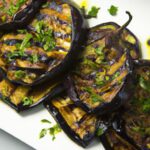
Pair pupusas with a cold glass of horchata, the refreshing Salvadoran rice drink infused with cinnamon, which beautifully complements the warm, hearty flavors.For a plant-based spin, serve with grilled vegetables or avocado slices.
The Rich Heritage of Pupusas Unwrapped
Exploring various fillings is a delicious journey-heritage pupusas feature revueltas, a mix of cheeses, while modern chefs experiment with sautéed mushrooms, roasted zucchini, and even vegan cheeses. Each bite tells a story of tradition meeting innovation.
| Nutrient | Per Serving (2 pupusas) |
|---|---|
| Calories | 350 kcal |
| Protein | 14 g |
| Carbohydrates | 46 g |
| Fat | 8 g |

For those eager to explore more about this versatile dish, check out our detailed article on Salvadoran Cuisine Basics. To dive deeper into traditional ingredients, visit the Food and Agriculture Organization of the United Nations (FAO) for valuable resources on Central American crops and cooking staples.
Concluding Remarks
As the comforting aroma of freshly made pupusas lingers in the air,so too does the rich cultural tapestry they represent. More than just a stuffed tortilla, pupusas are a heartfelt invitation into Salvadoran heritage-each bite a story, each filling a reflection of tradition and family.Whether enjoyed on bustling city streets or in the quiet corners of a home kitchen, pupusas remain the unifying flavor of El Salvador, unwrapped and shared across generations. So next time you savor this humble yet extraordinary dish, remember: you’re not just tasting food-you’re tasting history, community, and the enduring spirit of a people who pour their hearts into every savory fold.