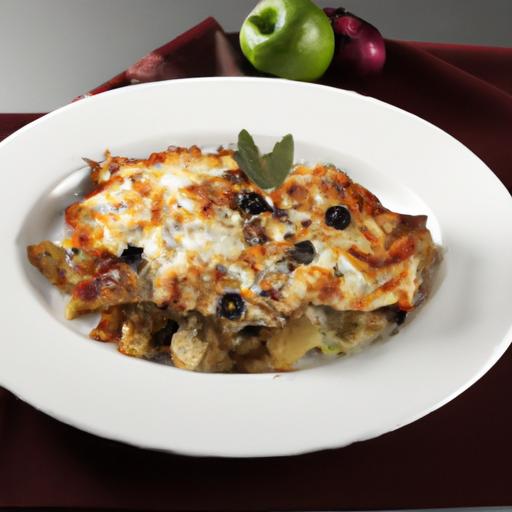



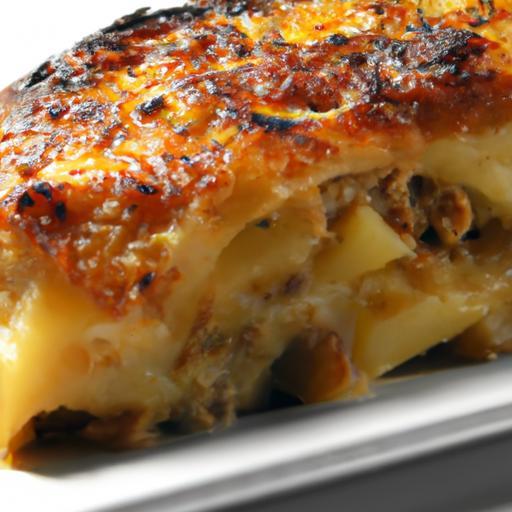

Nestled within teh vibrant tapestry of Greek cuisine lies a dish that transcends time and tantalizes the senses-moussaka. Often dubbed Greece’s culinary crown jewel, this layered masterpiece weaves together roasted eggplant, savory spiced meat, and creamy béchamel sauce into a harmonious symphony of flavors and textures. From humble village kitchens to bustling city tavernas, moussaka carries with it stories of tradition, culture, and a passion for comfort food that has enchanted palates for generations.In this exploration of “Moussaka Magic: unveiling Greece’s Timeless Classic Dish,” we delve beyond the recipe to uncover the rich history, unique regional twists, and enduring allure that make moussaka an eternal emblem of Greek gastronomy.
The Origins and Cultural Significance of Moussaka Magic
Moussaka Magic is more than just a dish-it’s a culinary journey through the heart of Greece, where history, tradition, and family intersect on a single plate. Originating in the mediterranean basin, moussaka has evolved over centuries, embodying the spirit of Greek hospitality and seasonal ingredients. This layered masterpiece, often associated with Greek home cooking, tells the story of rural kitchens where slow-simmered meat sauces meet tender, roasted eggplants crowned with creamy béchamel. It brings to life the warmth of Greek gatherings, festive celebrations, and the simple pleasure of sharing food with loved ones.
While versions of baked eggplant casseroles exist throughout the Middle East and the Balkans, the Greek moussaka we cherish today was popularized in the 1920s-30s by Greek chefs influenced by French cuisine, introducing the iconic velvety béchamel topping. Each bite reflects centuries of culinary synthesis, peppered with family recipes handed down across generations. Knowing this enriches every forkful, inviting cooks to honor not only ingredients but also history and culture when preparing this classic.
Essential Ingredients That Bring Moussaka Magic to Life
- 2 large eggplants, sliced 1/2 inch thick
- 1 lb (450g) ground beef (or lamb for a richer flavor)
- 1 large onion, finely chopped
- 3 cloves garlic, minced
- 2 cups canned tomatoes, crushed or diced
- 1/2 cup red lentils (optional, for thickening and added texture)
- 1/4 cup olive oil plus extra for frying
- 1 teaspoon ground cinnamon
- 1 teaspoon dried oregano
- 1/4 teaspoon ground nutmeg
- Salt and freshly ground black pepper to taste
- 2 cups whole milk
- 4 tablespoons unsalted butter
- 4 tablespoons all-purpose flour
- 1/2 cup grated Kefalotyri or Parmesan cheese
- 2 large eggs, lightly beaten
Prep and Cook time
- Preparation: 40 minutes
- Cooking: 1 hour 15 minutes
- Total: 1 hour 55 minutes
Yield
Serves 6 generous portions
Difficulty Level
Medium - requires layering, béchamel skills, and timing but totally achievable!
Step by Step Guide to Crafting the Perfect Moussaka Magic
- Prepare the eggplants: Salt the sliced eggplants and let them sit for 30 minutes to draw out bitterness. Rinse and pat dry thoroughly with paper towels. Lightly brush each slice with olive oil and roast in a preheated 400°F (200°C) oven for 25 minutes, flipping halfway until golden and tender.This method ensures a deep, smoky flavor without excess oil.
- cook the meat sauce: Heat 1/4 cup olive oil in a large skillet over medium heat. Sauté the onion until translucent, about 5 minutes. Add garlic and cook for 1 minute until fragrant. Add the ground beef, breaking it up with a wooden spoon, and cook until browned, about 8 minutes.
- Stir in crushed tomatoes, lentils (if using), cinnamon, oregano, nutmeg, salt, and pepper. Simmer gently for 30 minutes,stirring occasionally until the sauce thickens and flavors meld beautifully.
- Make the béchamel sauce: In a medium saucepan, melt butter over medium heat. Whisk in flour and cook for 2 minutes without browning. Gradually add the warm milk, whisking continuously to avoid lumps. cook until the sauce thickens and coats the back of a spoon, about 6-8 minutes. Remove from heat, season with salt, pepper, and a pinch of nutmeg.
- Temper the beaten eggs by adding a few tablespoons of the warm béchamel to the eggs, stirring constantly. Then slowly whisk the egg mixture back into the béchamel sauce for a rich, silky finish.
- Assemble the moussaka: Preheat your oven to 350°F (175°C). In a deep baking dish, layer half of the roasted eggplants, then pour all the meat sauce evenly over. Top with the remaining eggplant slices. Pour the béchamel sauce over the top, smoothing it out with a spatula. Sprinkle the grated Kefalotyri or parmesan evenly.
- Bake uncovered for 45-50 minutes until the béchamel is golden and bubbling.Let it rest for at least 20 minutes before slicing to allow the layers to set perfectly.
Expert Tips for Serving and Pairing Your Classic Greek Dish
For an authentic experience, serve your moussaka with a crisp Greek salad drizzled with extra virgin olive oil and a squeeze of lemon. A side of warm, crusty bread is essential to soak up the savory sauces.
Garnish with freshly chopped parsley or a light dusting of smoked paprika to add colour and aroma. Pair it with a chilled glass of Greek Assyrtiko grape wine or a refreshing sparkling water infused with lemon and mint to balance the richness.
For a lighter touch, accompany moussaka magic with grilled vegetables or a lemony orzo salad for a complete Mediterranean feast full of vibrant flavors.



Chef’s Notes & Tips for Success
- Roasting eggplants instead of frying keeps the dish lighter and prevents sogginess.
- Use ground lamb
- Make ahead: Moussaka improves after resting overnight in the fridge. Simply reheat at 325°F (160°C) for 20 minutes before serving.
- Vegetarian twist: Swap the meat sauce with a hearty lentil and mushroom ragout spiced with smoked paprika and cinnamon.
- the béchamel must be smooth and thick: Whisk continuously to avoid lumps. If it’s too thick, stir in a splash of milk before adding eggs.
| Nutrient | Per Serving |
|---|---|
| Calories | 420 kcal |
| Protein | 28 g |
| Carbohydrates | 22 g |
| Fat | 25 g |

Discover other Greek classics in our Greek Cuisine Recipe Collection for more Mediterranean inspiration.
The Conclusion
As the layers of tender eggplant, savory meat, and creamy béchamel meld together in every bite, moussaka reveals more than just flavors-it tells the story of Greece’s rich culinary heritage and the timeless artistry passed down through generations. Whether enjoyed in a bustling taverna overlooking the Aegean or recreated in your own kitchen, this iconic dish invites you to savor the magic woven into Greece’s culture, one hearty serving at a time. Embrace the tradition, relish the warmth, and let moussaka continue to enchant taste buds for years to come.