




In the vibrant world of West African cuisine, few dishes ignite as much passion and playful rivalry as Jollof rice. This beloved, fiery-hued staple is more than just a meal-it’s a cultural icon, a family tradition, and a spirited symbol of national pride. At the heart of this culinary clash lies the enduring “Jollof Rice Showdown,” where Nigeria and Ghana, two of Africa’s culinary powerhouses, fiercely debate whose version reigns supreme. From the smoky whispers of wood-fired stoves to the secret blends of spices passed down through generations, each nation’s Jollof tells a story rich with history, flavor, and identity.Join us as we explore this delectable showdown, delving into the distinct techniques, ingredients, and tastes that make Nigerian and Ghanaian Jollof rice a battle worth savoring.
Jollof rice showdown: Nigeria vs. Ghana’s flavor battle is more than just a culinary contest-it’s a vibrant expression of West African culture, history, and pride. This beloved one-pot dish has woven its way through family celebrations, festive gatherings, and street food stalls alike, captivating taste buds with its rich, smoky tomato base and fragrant rice. each country boldly claims their rendition as supreme, and understanding the origins and distinctive techniques helps home cooks appreciate the nuanced flavors that spark this passionate debate.
Prep and Cook Time
- Readiness: 20 minutes
- Cooking: 45 minutes
- Total Time: 1 hour 5 minutes
Yield
Serves 6 hearty portions
difficulty Level
Medium – perfect for adventurous cooks ready to explore vibrant West African flavors
Ingredients
- 2 cups long-grain parboiled rice, rinsed thoroughly
- 4 large ripe tomatoes, blended
- 1/4 cup tomato paste
- 1 large red bell pepper, blended (for Ghanaian style)
- 1 medium onion, finely chopped
- 3 cloves garlic, minced
- 2 teaspoons dried thyme (favored in Nigerian Jollof)
- 1 teaspoon curry powder (used in Ghanaian Jollof)
- 1/2 teaspoon smoked paprika (for that signature smoky undertone)
- 1 to 2 Scotch bonnet peppers or habanero, seeded as desired
- 1/4 cup vegetable oil (preferably refined palm or sunflower oil)
- 3 cups chicken or vegetable broth
- 2 bay leaves
- Salt and black pepper to taste
- Optional protein: cooked chicken, beef, or fish (avoid pork)
Instructions
- Prepare the base: Heat the oil in a heavy-bottomed pot over medium heat. Add the chopped onions and sauté until translucent, about 5 minutes.
- Add garlic and spices: Stir in minced garlic, thyme (for Nigerian style) or curry powder (for Ghanaian style), smoked paprika, and Scotch bonnet peppers. Cook for 2 minutes to release their aromas.
- Tomato blend: Pour in the blended ripe tomatoes, tomato paste, and (for Ghanaian jollof) blended red bell pepper. Simmer the sauce, stirring occasionally, until it reduces to a thick, rich stew, about 15-20 minutes. The deeper the color, the better the flavor.
- Incorporate rice and broth: Add the rinsed rice to the pot, stirring gently to coat every grain in the luscious tomato sauce. Pour in the broth and toss in bay leaves. Season with salt and pepper.
- Cook the rice: Cover the pot, reduce heat to low, and allow the rice to steam and absorb the flavors for 25-30 minutes. Avoid opening the lid frequently enough to keep the steam trapped.
- Finishing touch: Once the liquid is absorbed and the rice tender, fluff gently with a fork. If desired, stir in pre-cooked protein or garnish with fresh herbs (like chopped parsley or cilantro).
Tips for Success with Nigerian and Ghanaian Jollof Rice
- Balance your tomatoes and peppers: Ghanaian Jollof leans on a sweeter, smokier flavor due to the red bell pepper, while Nigerian Jollof thrives on a more aromatic dry spice blend.
- Use parboiled rice: This rice variety holds its shape and delivers that perfect fluffy texture beloved in both nations.
- Infuse smokiness: For authentic smoky undertones especially prized in Nigerian Jollof, carefully “party rice” by allowing a bit of the rice to crisp softly at the bottom during the last few minutes of cooking.
- Simmer the tomato base well: Let your sauce reduce thoroughly before adding rice – this deepens both color and flavor.
- Control heat: Adjust Scotch bonnet peppers to manage the spiciness – a gentle heat enhances, but avoid overpowering the other layered flavors.
- Make ahead: Jollof often tastes even better the next day, allowing the flavors to mature. Keep refrigerated and reheat gently.
serving Suggestions
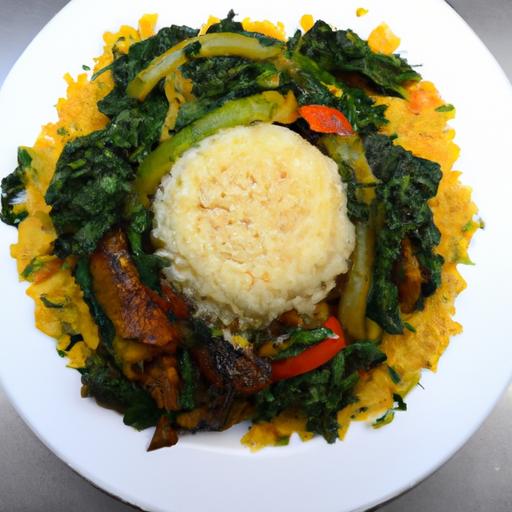
present your Jollof rice alongside crunchy fried plantains, a vibrant side salad, or steamed greens like spinach or kale. A crunchy cucumber and tomato salad dressed with lime juice is a refreshing accompaniment. Garnish with thinly sliced scallions or roasted peanuts for added texture and color contrast. Serve with a side of grilled chicken or fish for a wholesome, authentic West African feast. For a splash of vibrancy, scatter fresh cilantro or parsley right before serving.
| Nutrition Facts (per serving) | Amount |
|---|---|
| Calories | 350 |
| Protein | 7g |
| carbohydrates | 55g |
| Fat | 8g |

For an in-depth guide on mastering West African spices that enhance your Jollof rice, be sure to check out our detailed spice guide.Additionally, you can explore authoritative cultural insights about Jollof rice here at Britannica.
Future outlook
As the aromatic smoke wafts from simmering pots and the vibrant hues of tomatoes, peppers, and spices meld into a sumptuous feast, the Jollof Rice showdown between Nigeria and Ghana proves that this beloved dish is far more than just a meal-it’s a cultural emblem steeped in history, pride, and amiable rivalry. Whether you lean toward Nigeria’s bold,smoky zest or Ghana’s nuanced,savory harmony,one thing is clear: Jollof Rice is a culinary celebration that unites and ignites passion across borders. So, the next time you savor a spoonful, remember you’re tasting centuries of tradition, a splash of innovation, and a flavorful dialog that continues to spice up West africa-and the world.