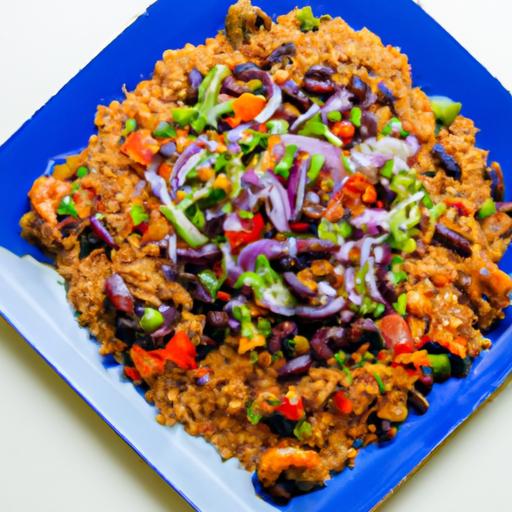




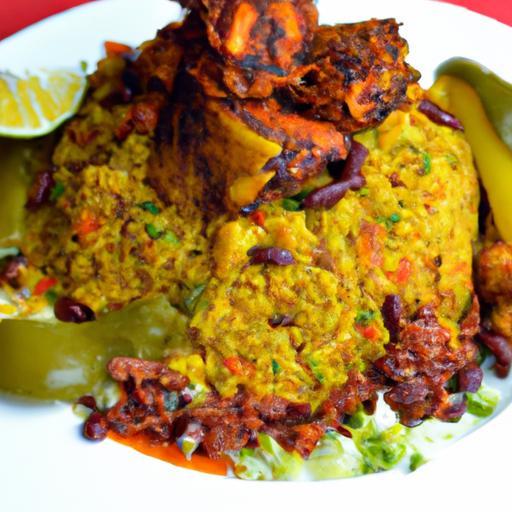

In the vibrant tapestry of West african cuisine, few dishes ignite as much passion and lively debate as Jollof rice. This beloved one-pot meal, rich with fragrant spices, vibrant tomatoes, and fragrant rice, stands at the heart of culinary pride for both Nigeria and Ghana. But when it comes to the ultimate Jollof showdown, the question lingers-whose version reigns supreme? Journey with us as we explore the tantalizing flavors, distinctive techniques, and cultural significance behind Nigerian and Ghanaian Jollof rice, uncovering what makes each variety a delicious emblem of its nation’s heritage.
Jollof rice showdown recipes captivate food lovers worldwide, especially when exploring the rich, vibrant flavors that distinctly separate Nigerian and Ghanaian culinary traditions. This iconic West African dish bursts with aromatic spices,intense tomato base,and an irresistible umami depth that makes it a true celebration on any plate. Weather you’re stirring a nigerian pot or a Ghanaian pot, understanding the core ingredients and techniques is your ticket to mastering this beloved staple.
Prep and Cook Time
- Preparation: 20 minutes
- cooking: 45 minutes
- Total: 1 hour 5 minutes
Yield
Serves 6
Difficulty Level
Medium
Ingredients
- 2 cups long-grain parboiled rice, rinsed thoroughly
- 400g canned plum tomatoes (or fresh roasted tomatoes)
- 1 large red bell pepper, chopped
- 2 medium-sized onions, divided (1 sliced, 1 chopped)
- 3 cloves garlic, minced
- 1-inch piece of fresh ginger, grated
- 2 tablespoons tomato paste
- 4 cups chicken stock (vegetable stock also works)
- 1 teaspoon thyme (dried)
- 2 bay leaves
- 1-2 Scotch bonnet chilis, whole or chopped (adjust to heat preference)
- 1 teaspoon curry powder (more prevalent in Ghanaian style)
- 1 teaspoon smoked paprika (for subtle smokiness, popular in Nigerian style)
- 1/4 cup vegetable oil (peanut or sunflower oil recommended)
- Salt and freshly ground black pepper, to taste
- Fresh parsley or cilantro, chopped (for garnish)
Instructions
- Blending the base: In a blender, combine canned plum tomatoes, red bell pepper, half the chopped onion, garlic, and ginger until smooth.
- Preparing the rice: Rinse the rice multiple times under cold water until water runs clear to remove excess starch. Set aside.
- Building flavor: Heat oil in a large heavy-bottom pot over medium heat. Add sliced onions and sauté until golden brown, about 5-7 minutes, stirring occasionally.
- Tomato paste frying: Stir in the tomato paste and cook for 3 minutes, stirring frequently to reduce bitterness and develop a deep color.
- Pour in blended tomato mixture: Add the pureed tomato and pepper blend. Cook over medium heat for about 15 minutes, stirring occasionally, until the sauce thickens and the oil starts to separate.
- Spicing it up: Add thyme, bay leaves, Scotch bonnet chili, curry powder (for the ghanaian touch), smoked paprika (Nigerian style), salt, and pepper. Simmer for another 5 minutes, allowing the spices to infuse fully.
- incorporating the rice: Add the rinsed rice to the pot and stir to coat every grain with the rich tomato sauce.
- Adding broth: Pour in the chicken stock gently, ensuring there’s enough liquid to cook the rice fully (usually 1.5 to 2 times the volume of the rice). Stir once, cover tightly with a lid, and reduce heat to low.
- Cooking the rice: Let the rice simmer undisturbed for 25-30 minutes. Check once towards the end; if the rice is still too firm or liquid remains, add a splash more stock or water and continue cooking briefly.
- Finishing touches: Remove from heat,let the pot rest covered for 5 minutes to allow steam to complete cooking. Fluff the rice gently with a fork to separate grains.
Tips for Success with Jollof Rice Showdown Recipes
- Rice variety matters: Long-grain parboiled rice is ideal for achieving characteristic separate, fluffy grains with a slight bite. Avoid short-grain options that clump.
- Layer flavors stepwise: Patience when frying onions and tomato paste deeply influences the final richness and smokiness-don’t rush the browning process.
- Customize the heat: Scotch bonnet chilis define the authentic kick but adjust according to your tolerance: removing seeds can tame the intensity.
- Oils can alter texture and flavor: Peanut oil lends a subtle nutty background commonly used in Nigerian styles, while vegetable oil keeps a neutral canvas.
- Make-ahead tip: Jollof rice is even better the next day after flavors deepen. Reheat gently on the stovetop with a splash of broth or water to retain moisture.
Serving Suggestions and Pairings
Serve your jollof rice alongside fried plantains for a delightful sweet contrast or with crispy spicy grilled chicken or fish to complement the savory tomato base. A simple cucumber and tomato salad dressed lightly with lemon balances the heat and richness wonderfully. For garnish, fresh chopped parsley or cilantro adds a burst of color and freshness.
Don’t forget a dollop of sharply tangy pepper sauce or a cooling yogurt dip to elevate the experience further, honoring the dish’s bold, spicy nature.
| Nutrient | Per Serving |
|---|---|
| calories | 380 kcal |
| Protein | 8 g |
| Carbohydrates | 65 g |
| Fat | 9 g |
Explore more West African rice recipes to deepen your culinary journey. For detailed spice profiles and regional origins,Britannica’s Jollof rice overview is an excellent resource for cultural insights.



Final Thoughts
In the spirited world of West African cuisine, the Jollof Rice showdown between Nigeria and Ghana is more than just a battle of flavors-it’s a vibrant celebration of culture, history, and culinary artistry. Each version brings its own unique blend of spices, cooking techniques, and secret ingredients, creating a tapestry of tastes that continue to captivate food lovers around the globe. Whether you lean toward the smoky, rich depth of Nigerian Jollof or the bright, aromatic zest of Ghanaian Jollof, one thing is certain: this beloved dish transcends borders, uniting communities one flavorful spoonful at a time.So next time you savor a plate of Jollof, remember you’re tasting history, pride, and the enduring spirit of a region where food is nothing short of a deliciously competitive art form.