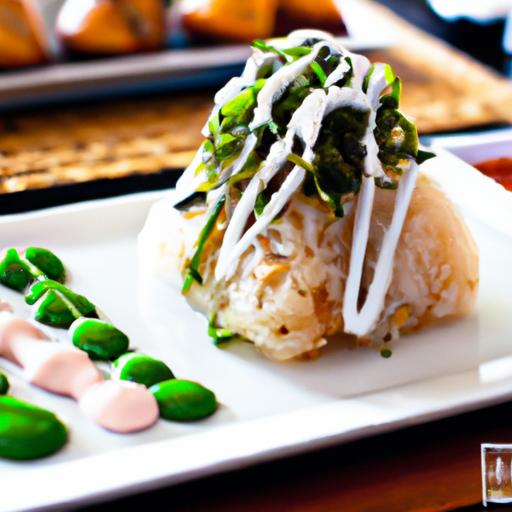





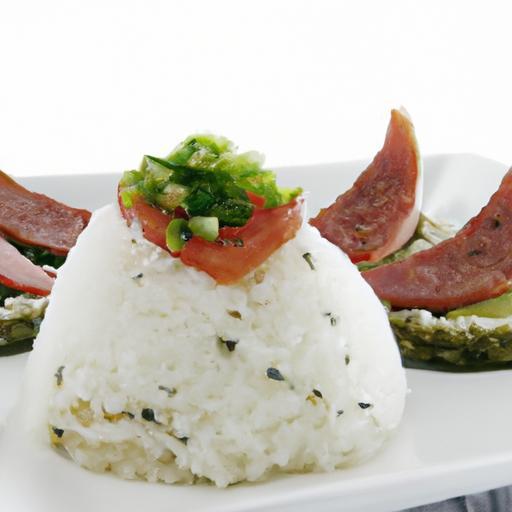

In the bustling streets of Tokyo and the tranquil corners of rural japan alike, a humble staple holds a special place in the hearts and hands of many: the onigiri. These unassuming rice balls, often wrapped in a crisp sheet of nori and tucked into bento boxes or roadside stalls, carry more than just grains of perfectly seasoned rice-they carry stories, traditions, and an artful craftsmanship passed down through generations. At the core of each onigiri lies its soul: the filling. From savory salmon flakes to tangy umeboshi, the art of onigiri stuffing transforms simple ingredients into bite-sized treasures that delight the senses and connect the past with the present. Journey with us inside Japan’s beloved rice balls as we unravel the delicate balance of flavors, textures, and techniques that make onigiri much more than just a snack-it’s a culinary craft cherished nationwide.
inside Japan’s beloved rice balls, the art of onigiri stuffing reveals a engaging balance of flavors and textures that elevate what may seem like a simple snack into a culinary treasure. Mastering this harmony begins with understanding the conventional fillings that have been enjoyed for centuries and daring to explore innovative, modern twists that delight the palate.
Prep and Cook Time
- Planning: 20 minutes
- Cooking: 30 minutes (including rice steaming)
- Total Time: 50 minutes
Yield
Makes approximately 8 medium-sized onigiri
Difficulty Level
Medium – Requires some practice shaping and sealing but rewarding and enjoyable.
ingredients
- 2 cups japanese short-grain rice, rinsed thoroughly
- 2 1/4 cups water for cooking rice
- 1/2 teaspoon salt
- 1 tablespoon rice vinegar (optional, for seasoning rice)
- Traditional filling options:
- 2 tablespoons salted salmon flakes (grilled or pan-seared)
- 2 tablespoons umeboshi (pickled plum), pitted and chopped
- 1 tablespoon bonito flakes mixed with soy sauce
- Modern filling options:
- 1/3 cup cooked teriyaki chicken, finely shredded
- 1/4 cup mashed avocado with a squeeze of lemon
- 2 tablespoons spicy tuna mix (tuna, mayo, sriracha)
- 4 sheets nori (seaweed), cut into 3×3 inch rectangles
- Sesame seeds (optional, for garnish)
Instructions
- Cook the rice: Combine the rinsed rice and 2 1/4 cups water in a rice cooker or saucepan. Cook according to rice cooker instructions or bring to boil, reduce to low, cover, and simmer 15 minutes. Let rest, covered, for 10 minutes.
- Season the rice: Transfer rice to a large bowl. Gently fold in salt and rice vinegar using a spatula or wooden paddle, trying not to mash the grains.Cool slightly until warm, not hot, for easier handling.
- Prepare fillings: Choose one or combine your favorite traditional and modern fillings. Keep fillings dry or moderately moist-wet fillings can cause the rice to fall apart.
- wet and salt your hands: This step prevents sticking and seasons the exterior rice layer evenly.
- Shape the onigiri: Scoop about 1/2 cup of rice into your palm,flatten slightly.Place 1 teaspoon (or more if desired) of filling in the center.
- Seal: Cover the filling with another spoonful of rice, gently pressing and shaping into a triangle or oval shape about 3 inches wide. Apply even pressure without squeezing too hard to avoid compacting grains.
- Wrap with nori: Optionally, wrap each rice ball with a strip of nori. The seaweed adds textural contrast and helps keep your fingers clean while eating.
- Garnish: Lightly sprinkle sesame seeds or add a tiny pinch of salt on one face of the onigiri for a final touch.
- Serve promptly or wrap in plastic wrap and enjoy within a few hours at room temperature.For longer freshness, refrigerate briefly but bring to room temperature before eating to appreciate the best texture.
Tips for Success When Crafting Onigiri Filling balance
- Select quality Japanese short-grain rice to achieve the ideal sticky yet tender texture essential for onigiri.
- Avoid overly wet fillings like fresh tomato or watery sauces; they destabilize the rice structure.
- Experiment by mixing fillings such as blending umeboshi with bonito flakes for a sharp, umami-rich center.
- Use naturally salty ingredients where possible to season your filling without overwhelming the rice’s subtle flavor.
- Practice shaping by hand or use an onigiri mold for uniform, beautiful rice balls that hold together well.
- Keep hands slightly moist and lightly salted as you mold to prevent sticking and enhance seasoning.
- To seal edges effectively, gently press rice grains together without compacting the center, preserving a fluffy bite.
Serving Suggestions
Present your onigiri on a bamboo or wooden tray lined with banana leaves or parchment paper for an authentic Japanese touch. Garnish with a few sprigs of shiso or sprinkle additional toasted sesame seeds for aroma and crunch. Serve alongside a bowl of miso soup or a small side of tsukemono (Japanese pickles) to balance flavors. For an on-the-go option, wrap in wax paper for a neat and portable snack.
| Nutrient | Per Onigiri (approx.) |
|---|---|
| calories | 180-220 kcal |
| Protein | 5-8 g |
| Carbohydrates | 38-42 g |
| Fat | 1-5 g (varies with filling) |
Explore further: For a deeper dive into rice cooking techniques,visit Japan Guide: Cooking Rice.
Hungry to expand your Japanese snack repertoire? Check out our Traditional Japanese snacks Collection for more inspiring recipes.




in Retrospect
As we peel back the layers of Japan’s humble onigiri, it becomes clear that these rice balls are much more than a convenient snack-they are a canvas of culture and creativity, a testament to the nation’s reverence for simplicity and flavor. Each carefully tucked filling tells a story, blending tradition with personal touch, inviting us to savor not just the taste but the craftsmanship behind every bite. So next time you unwrap an onigiri, remember you’re holding a piece of edible art that embodies centuries of culinary passion-an intimate glimpse into the heart of Japan’s beloved comfort food.