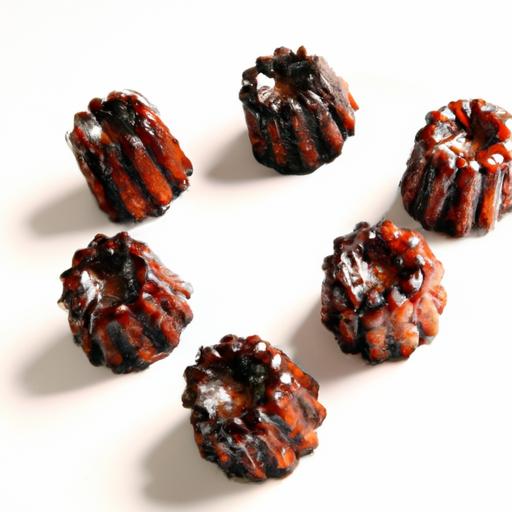

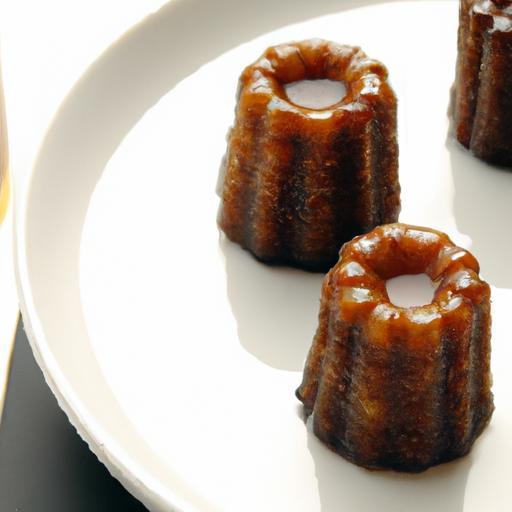

Nestled along the sun-kissed banks of the Garonne River, the city of bordeaux is famed not only for its world-class wines but also for a little pastry that packs a big punch: the canelé. With its deeply caramelized crust and tender, custardy heart, the classic canelé is a beloved French confection. But what happens when this iconic delicacy meets the rising demand for gluten-free treats? Enter the gluten-free canelés de Bordeaux-a sweet fusion of tradition and modern dietary mindfulness. In this article, we’ll explore how these petite pastries preserve the essence of their origin while welcoming those who seek gluten-free indulgence, proving that French culinary artistry knows no bounds.
The Rich History Behind Canelés de Bordeaux and Their Traditional charm
Gluten-Free Canelés de Bordeaux offer not only a delightful treat but also a captivating glimpse into french pastry heritage. Originating from the vibrant Bordeaux region, these little custard-filled cakes with their iconic dark caramelized crust have fascinated food lovers for centuries. Traditionally made with wheat flour, adapting this beloved classic into a gluten-free version without losing its signature texture has become a rewarding challenge for home cooks and professionals alike.
The story of canelés dates back to the 18th century when Gascon nuns reportedly perfected the recipe using egg yolks leftover from wine-making processes (minus the alcohol ingredient in our variations). Their unique fluted molds and double-cooking technique ensure a crisp exterior that contrasts gloriously with a tender, creamy interior-a textural duality that many pastries aspire to but few achieve.
Crafting Gluten-Free Canelés Without Compromising Texture and Flavor
Transforming this classic delicacy into a gluten-free canelés de Bordeaux is an art in itself. By thoughtfully selecting flours like rice and tapioca combined with a hint of almond meal,one can mimic the delicate crumb traditionally created by wheat flour. Key to success is patience-allowing the batter to rest overnight unlocks a deeper flavor and optimal moisture balance, essential for that ethereal custard interior.
Achieving the unmistakable dark, caramelized crust requires precise temperature control and the use of traditional copper molds, or silicone alternatives, generously coated with beeswax and butter for authentic crispness. The interplay between buttery richness and vanilla-infused custard flavor makes each bite an immersive experience.
Essential Ingredients and Techniques for Perfectly crisp Gluten-Free Canelés
- 2 cups whole milk, preferably full-fat for richness
- 1 vanilla bean, split and scraped (or 1 tbsp pure vanilla extract)
- 4 tbsp unsalted butter, melted plus extra for greasing
- 1 cup granulated sugar
- 1/2 cup brown sugar, for a deeper caramelization flavor
- 3 large egg yolks
- 2 whole eggs
- 1/2 cup gluten-free rice flour, sifted
- 1/4 cup tapioca starch
- 2 tbsp almond meal, optional for subtle nutty undertone
- Pinch of salt
- Beeswax and melted butter mixture, for traditional mold coating
Crucial technique details include:
- Simmering milk infused with vanilla to build aroma
- Whisking sugars into eggs before slowly blending with flours for smooth batter
- an extended overnight rest to develop texture and flavor
- baking at a high initial temperature for caramelization, then lowering heat to cook custard through
Prep and Cook time
- Prep Time: 25 minutes
- Batter rest: 12-24 hours
- Cook Time: 55 minutes
- Total Time: Approximately 13 hours (including resting)
Yield
About 12 small canelés (50 ml or 1.7 fl oz molds),perfect for sharing or special occasions.
Difficulty Level
Medium: Requires precise temperature control and patience but is highly rewarding.
Instructions
- Infuse the milk: Pour the whole milk into a saucepan. Split the vanilla bean and scrape the seeds into the milk, add the pod as well. Heat gently until just simmering. Remove from heat and let steep for 10 minutes.
- Prepare the batter base: In a large bowl, whisk together granulated sugar, brown sugar, egg yolks, and whole eggs until pale and smooth. Gradually sift in rice flour, tapioca starch, almond meal, and a pinch of salt. Mix gently to combine.
- Temper the milk: Remove the vanilla pod from the milk. Slowly pour the warm milk into the egg and flour mixture while whisking continuously to prevent curdling into a smooth, thin batter.
- Add butter and rest the batter: Stir in the melted butter until fully incorporated. Cover the bowl with plastic wrap and refrigerate overnight (12-24 hours) to let flavors meld and flour hydrate.
- Prepare the molds: Warm the canelé molds slightly and brush them generously with a mixture of beeswax and melted butter. This step is critical for the traditional crisp exterior and ease of unmolding.
- Preheat your oven: Set to 230°C (450°F). Place a baking tray in the middle rack to preheat as well.
- Bake: Stir the batter gently once more before filling molds nearly to the top. Place molds on the hot baking tray and bake at 230°C (450°F) for 15 minutes to develop the dark caramel crust.
- Adjust temperature: Reduce oven temperature to 180°C (350°F) and continue baking for an additional 40 minutes,or until the canelés are deeply caramelized outside with a tender,custardy interior.
- Cool and unmold: let cool for at least 15 minutes before turning out the canelés. They should release easily if properly greased.
Tips for Success
- resting batter: This step cannot be skipped-it allows the starches to swell, improving texture and flavor complexity.
- Mold coating: Using beeswax mixed with butter replicates the authentic exterior sheen and prevents sticking. Alternatively, you can use a neutral oil if vegan adaptations are needed.
- Temperature control: Oven temperatures vary greatly; keep a kitchen thermometer handy to ensure proper caramelization without burning.
- Make ahead: Canelés are best enjoyed fresh but can be lightly warmed in a low oven (150°C/300°F) for 5 minutes to revive crispness.
- Substitutions: If almond meal is unavailable or undesired, increase tapioca starch slightly for a similar bind.
serving Suggestions and Creative Variations to Elevate Your Gluten-free Delight
Present these gluten-free canelés de Bordeaux with a dusting of powdered sugar or alongside a dab of homemade fruit preserves like raspberry or apricot for a vibrant colour contrast. A delicate drizzle of honey or a few fresh berries create a stunning visual and flavor balance, highlighting the subtle vanilla and caramel notes.
For a complex variation, consider infusing the milk with citrus zest such as lemon or orange for a radiant twist. you can also dust with finely grated dark chocolate or cinnamon spice after baking for seasonal flair.

Nutritional Facts (Per Serving)
| Calories | Protein | Carbs | Fat |
|---|---|---|---|
| 170 kcal | 4 g | 25 g | 6 g |
For more delightful gluten-free French pastries,be sure to explore our collection of gluten-free French desserts. Additionally, for an in-depth history on traditional Bordeaux sweets, visit Bordeaux Tourism Official Site.
In Summary
whether your a devoted gluten-free baker or a curious culinary adventurer, these gluten-free Canelés de Bordeaux offer a delightful slice of French tradition without compromise. With their caramelized crust and custardy heart, they prove that dietary restrictions need not dull the joys of classic patisserie. So, next time you crave a taste of Bordeaux’s sweet heritage, try your hand at this gluten-free twist-and savor a little piece of France, one golden bite at a time.