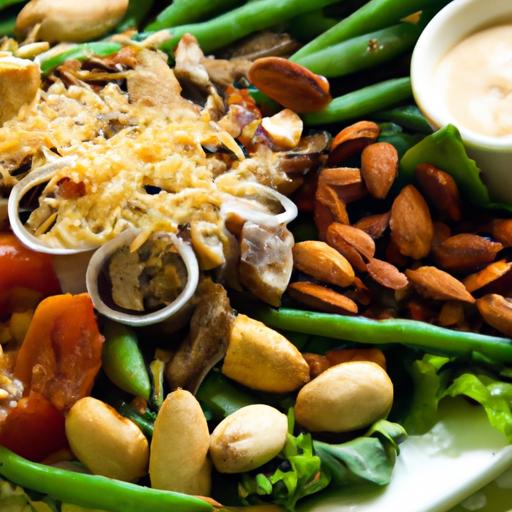



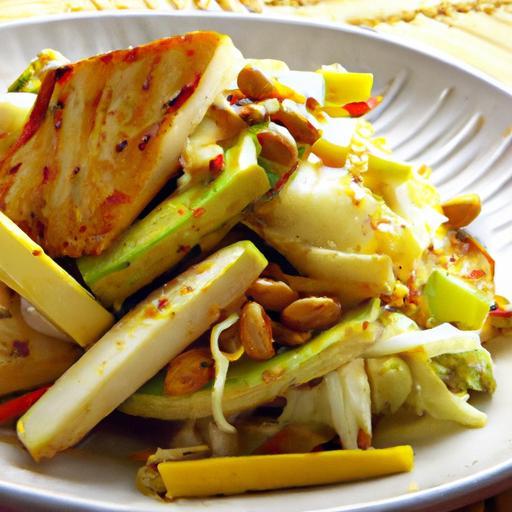

Bursting with vibrant colors and a symphony of flavors, Gado-gado stands as a true culinary emblem of Indonesia’s rich heritage. This iconic peanut salad is much more than a simple dish; it’s a delightful party of fresh vegetables, boiled eggs, crispy tofu, and a luscious, creamy peanut sauce that ties every ingredient together in perfect harmony. Whether enjoyed as a street food staple in bustling markets or a comforting home-cooked meal, Gado-Gado offers a unique taste experience that tells the story of indonesia’s diverse culture and love for bold, wholesome flavors. Join us as we explore the origins, ingredients, and irresistible charm of Gado-Gado Delight-an edible masterpiece that continues to captivate food lovers around the world.
Gado-gado Delight is more than just a salad-it’s a vibrant celebration of Indonesian flavors and textures that tells a story of culinary heritage and cultural unity. Originating from Java, this iconic peanut salad blends an array of fresh vegetables, boiled eggs, and sometimes lontong (rice cakes), all enveloped in a luscious, savory peanut sauce. My frist memory of gado-gado was during a bustling street market visit in Jakarta, where the aroma of roasted peanuts and fragrant spices beckoned me closer. Since then, this dish has not only been a staple but an inspiration to explore the complexities of Indonesian cuisine in an approachable way.
Prep and Cook Time
- Planning: 25 minutes
- Cooking: 20 minutes
- Total Time: 45 minutes
Yield
Serves 4 generous portions
Difficulty Level
Medium – perfect for home cooks ready to embrace layered flavors and textures
Ingredients
- Vegetables and protein:
- 2 cups long beans, trimmed and cut into 2-inch pieces
- 1 cup bean sprouts, rinsed
- 2 medium potatoes, peeled and cubed
- 1 cucumber, sliced
- 2 hard-boiled eggs, halved
- 1 block (200g) firm tofu, fried until golden
- Optional: 1 cup steamed cabbage or spinach
- For the peanut sauce:
- 1 cup roasted unsalted peanuts
- 3 cloves garlic, minced
- 2 bird’s eye chilies (adjust to taste)
- 2 tablespoons palm sugar (or brown sugar)
- 2 tablespoons tamarind water (1 tbsp tamarind paste diluted in 2 tbsp water)
- 1 tablespoon sweet soy sauce (kecap manis)
- 3/4 cup coconut milk
- 1 teaspoon salt
- 1/2 cup warm water (to adjust sauce consistency)
Instructions
- Prepare the vegetables and proteins: Boil the potatoes and long beans separately until tender but still firm, about 8 minutes. Blanch the bean sprouts and, if using, cabbage or spinach briefly in boiling water and drain.
- Fry the tofu: Slice tofu into cubes and shallow fry in hot oil until golden and slightly crispy. Set aside on paper towels to drain excess oil.
- Make the peanut sauce: In a food processor or mortar and pestle, grind the roasted peanuts until coarse. Add minced garlic, chilies, palm sugar, tamarind water, and sweet soy sauce. Gradually stir in the coconut milk and salt, mixing well to combine. Adjust the thickness with warm water until it reaches a silky, pourable consistency.
- Assemble the salad: On a large platter, artfully arrange the potatoes, long beans, bean sprouts, cucumber slices, steamed greens, tofu cubes, and halved eggs.
- Dress and serve: Generously spoon the peanut sauce over the arranged ingredients just before serving. Optionally garnish with fried shallots and a sprinkle of chopped fresh coriander for an extra burst of aroma and color.
Tips for success
- Roast your own peanuts for a deeper,fresher flavor than pre-ground peanut butter.
- Balance your sauce carefully: The sweetness of palm sugar, the tanginess from tamarind, and the saltiness from soy and salt all need to harmonize. Taste as you go.
- Keep veggies bright and crunchy by blanching briefly and plunging into ice water if not serving instantly.
- Make the sauce ahead: It stores well in the fridge for up to 3 days – just bring to room temperature and whisk before use.
- Customize protein options: Tempeh or boiled chicken breast can be included for added variety.
Serving Suggestions
Serve gado-gado as a vibrant main dish alongside fragrant steamed jasmine rice or light, crisp crackers known as kerupuk.For visual contrast, place the halved eggs in the center of a colorful vegetable bed, then drizzle the peanut sauce generously, letting patches of bright green beans and orange tofu peek out. Garnish with crispy fried shallots and a wedge of lime for zesty brightness.This presentation invites diners to dig in and mix flavors at will.

| Nutrient | Per serving |
|---|---|
| Calories | 420 kcal |
| Protein | 18 g |
| Carbohydrates | 35 g |
| fat | 22 g |
Origins and Cultural Significance of Gado-Gado in Indonesian Cuisine
Gado-gado, meaning “mix-mix,” represents Indonesia’s ideology of diverse yet harmonious flavors and textures.This beloved dish hails predominantly from Java, where street vendors and home cooks alike celebrate the balance of fresh vegetables and the richness of peanut sauce.Traditionally, gado-gado embodies communal dining-sharing plates loaded with fresh bounty and bold sauces encourages connection and comfort. Over the years, regional variations have blossomed, but the heart of the dish remains a true symbol of Indonesian culinary identity.
Key Ingredients and Customary Preparation Techniques Explained
the magic of gado-gado lies in its ingredients: a colorful medley of fresh and boiled vegetables paired with protein elements like tofu and eggs. The peanut sauce is the soul, crafted meticulously using roasted peanuts, palm sugar, tamarind water, and sweet soy sauce. The traditional method calls for grinding fresh ingredients by hand with a mortar and pestle, allowing oils and aromas to blend more intimately. This technique produces a peanut sauce that is bright,nutty,and deeply nuanced-a result that machine-made sauces rarely capture.
Balancing Flavors and Textures in the Perfect Peanut Sauce
Achieving the perfect peanut sauce is an art of balancing contrasting yet complementary tastes.The sauce should be creamy and slightly thick, with a layered flavor profile: the nutty warmth of roasted peanuts, a touch of sweetness, subtle acidity from tamarind to cut through richness, and a whisper of chili heat to awaken the palate. Texture is equally crucial-smoothness should be offset by a slight graininess from the peanuts. adding coconut milk softens the sauce, lending a velvety mouthfeel that coats each bite sensuously.
Where to Find Authentic Gado-Gado and Tips for Homemade Success
The truest gado-gado experiences come from bustling Indonesian street markets and humble warungs where recipes have been perfected over generations. In larger cities worldwide,Indonesian restaurants promising authentic gado-gado offer a taste of tradition with fresh local produce. recreating the dish at home starts with sourcing quality peanuts and fresh produce, then respecting traditional preparation methods. To simplify, ground roasted peanuts and pre-boiled vegetables can be used without sacrificing authenticity. Remember, the key is assembling thoughtfully and tasting constantly-your gado-gado delight will shine with every well-balanced spoonful.
For further culinary inspiration on Southeast Asian salads, check out our guide on Southeast Asian Salad Varieties and visit the official Indonesia tourism site to learn more about the nation’s rich food culture.
In Retrospect
As we wrap up our flavorful journey through the vibrant world of Gado-Gado, it’s clear that this iconic Indonesian peanut salad is much more than just a dish-it’s a celebration of culture, tradition, and the art of balancing bold textures and tastes. From the crisp freshness of the vegetables to the rich, nutty embrace of the peanut sauce, Gado-Gado invites food lovers to experience Indonesia’s culinary soul in every bite. Whether enjoyed at bustling street stalls or as a home-cooked comfort, this delightful salad continues to unite people across generations, reminding us that sometimes, the simplest ingredients can create the most extraordinary flavors.So next time you crave a taste adventure, let Gado-Gado be your passport to Indonesia’s colorful and flavorful heritage.