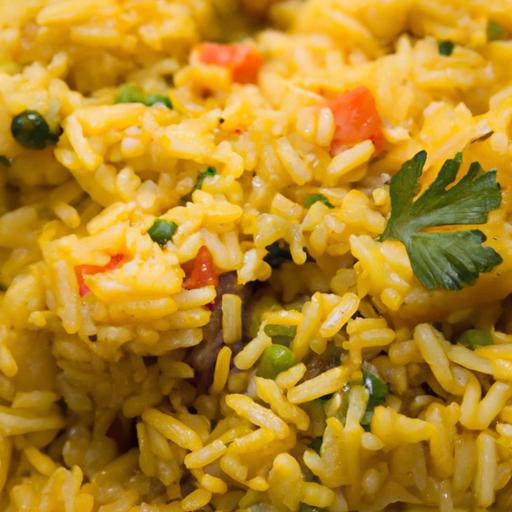



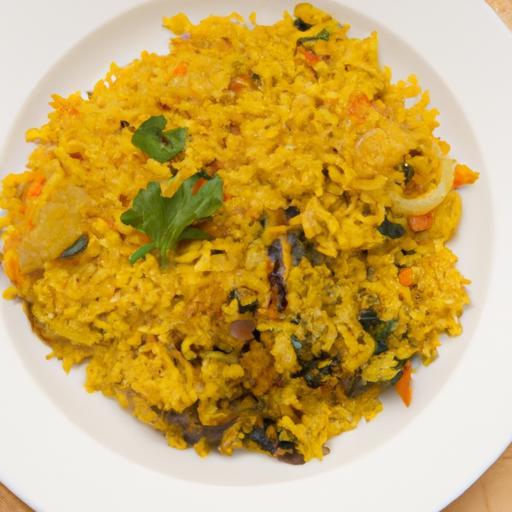

In the vibrant tapestry of East African cuisine, few dishes evoke as much warmth, history, and cultural pride as Pilau-a fragrant, spiced rice that tells a story with every grain. Far more then just a meal, East African Spiced Rice is a sensory journey through bustling markets, coastal trade routes, and family gatherings steeped in tradition. From the aromatic blend of cloves, cinnamon, and cardamom to the tender morsels of meat or vegetables enveloped within, Pilau is a celebration of heritage and hospitality. This article delves into the rich Pilau tradition, unveiling the origins, regional variations, and the treasured rituals that transform a simple pot of rice into a symbol of unity and flavor across East Africa.
East African spiced rice embodies a tapestry of history, culture, and aromatic tradition that has woven through generations across Kenya, Tanzania, and beyond. This celebrated pilau is not just rice; it is indeed the essence of community gatherings, festive feasts, and soulful comfort, infused with a captivating bouquet of spices that tell stories of ancient trade routes and cultural fusion.
Origins and Cultural Importance of East African Pilau
rooted in the Swahili coast, the East African spiced rice known as pilau evolved from centuries of interaction between African coastal peoples and Arab traders. each grain reverberates the influence of Indian, Persian, and Arab culinary traditions, creating a uniquely rich and fragrant dish. Traditionally reserved for celebrations such as weddings and religious holidays like Eid, pilau serves as a symbol of hospitality and togetherness. In many homes, the slow-simmered spices crescendo into a flavor that signifies warmth, respect, and the joy of sharing a meal.
Key Spices and Ingredients that Define the Authentic Flavor
The hallmark of authentic pilau lies in its aromatic spice blend. Whole cloves, cardamom pods, cinnamon sticks, and black peppercorns form the backbone, delivering layers of warmth and pungency. Complemented by the sweetness of caramelized onions and the earthiness of cumin and coriander, the spices gently infuse the rice with a mesmerizing complexity. quality basmati or long-grain rice is essential for fluffy texture and subtle fragrance. A splash of rich beef or chicken broth enhances depth without overpowering the spices, making the dish both hearty and refined.
Prep and Cook Time
- Preparation: 20 minutes
- Cooking: 40 minutes
- Total Time: 1 hour
Yield
Serves 6 generous portions
Difficulty Level
Medium – ideal for cooks comfortable with layering spices and mindful simmering techniques
Ingredients
- 2 cups long-grain basmati rice, rinsed and soaked for 30 minutes
- 3 tablespoons vegetable oil or ghee
- 2 large onions, thinly sliced
- 4 cloves
- 4 green cardamom pods, lightly crushed
- 2 cinnamon sticks (2-inch pieces)
- 1 teaspoon cumin seeds
- 1 teaspoon ground coriander
- 1 teaspoon freshly ground black pepper
- 4 garlic cloves, minced
- 1-inch piece fresh ginger, grated
- 1 teaspoon turmeric powder
- 1 large tomato, chopped
- 4 cups chicken or beef broth (use vegetable broth for vegetarian)
- Salt to taste
- Fresh cilantro or parsley, chopped (for garnish)
- Roasted cashews or fried onions (optional garnishes)
Step-by-Step Guide to Crafting the Perfect East African Spiced rice
- Prepare the rice: Rinse the basmati rice under cold water until the water runs clear. Soak for 30 minutes, then drain thoroughly to avoid soggy grains.
- Sauté the onions and whole spices: heat oil or ghee in a heavy-bottomed pot over medium heat. Add sliced onions and sauté until golden and caramelized, about 10 minutes.Stir occasionally to prevent burning.
- Add the whole spices: Introduce cloves, cardamom pods, cinnamon sticks, and cumin seeds to the onions. Sauté gently for 1-2 minutes until fragrant. This step unlocks the essential oils that define the pilau’s character.
- Build the flavor base: Stir in the garlic, ginger, turmeric, ground coriander, and black pepper. Cook for another minute until aromatic.
- Incorporate the tomato: Add chopped tomato and cook down until soft and integrated, about 5 minutes, stirring occasionally.
- Add the rice: Fold in the drained rice, stirring gently to coat every grain in the spice-onion mixture.
- Pour in broth and simmer: Add the broth and salt to taste.Bring to a gentle boil, then reduce heat to the lowest setting. Cover tightly with a lid and simmer undisturbed for 20 minutes, allowing the rice to absorb the rich flavors.
- Rest the rice: Turn off heat and let the pot sit covered for 10 minutes. This step ensures fluffy and separate grains by letting residual steam finish the cooking.
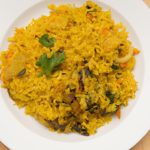
- fluff and garnish: Using a fork, gently fluff the rice. Discard the whole spices (or leave them for visual flair if desired), and sprinkle fresh chopped cilantro or parsley on top. Optionally,top with roasted cashews or fried onions for added texture and flavor.
Tips for Success
- Rice texture: Properly rinsing and soaking the rice is critical. This removes excess starch, preventing clumps and ensuring light, fluffy pilau.
- Spice balance: Toast spices lightly in the oil but avoid burning. Burnt spices yield bitterness that overshadows pilau’s delicate aroma.
- Broth choice: For a rich taste,homemade beef or chicken broth is ideal,but quality vegetable broth works well for vegetarian or vegan variations.
- Sauté onions slowly: Caramelized onions create natural sweetness that complements the spices and prevents sharpness.
- Make ahead: Pilau flavors deepen when made a day in advance. Store covered in the fridge, then reheat gently with a sprinkle of water to restore moisture.
Pairing Suggestions and Serving Tips to Elevate Your Pilau experience
To fully appreciate the East African spiced rice experience, serve it alongside rich, tender nyama choma (grilled meat), or a spicy coconut-based stew such as Swahili-style chicken curry. For vegetarians, a hearty lentil dal or sautéed sukuma wiki (collard greens) add fantastic layers.
Presentation matters: plate pilau in a shallow bowl,garnish with radiant cilantro and crunchy fried onions.A side of sliced,fresh tomatoes and cucumbers dressed with lemon juice offers a refreshing counterpoint. The contrast of textures and colors turns every meal into a vibrant celebration.




| Nutrition | Per serving |
|---|---|
| Calories | 320 |
| Protein | 7g |
| Carbohydrates | 58g |
| Fat | 6g |
Future Outlook
As the fragrant steam rises from a pot of East african spiced rice, it carries with it centuries of history, culture, and a symphony of flavors that tell the story of a vibrant region. The rich pilau tradition is much more than a flavorful dish-it is a culinary tapestry woven from diverse influences, vibrant spices, and communal celebrations.Whether savored at a family gathering or a bustling market,east African pilau invites us to experience the warmth and complexity of its heritage,one aromatic grain at a time. Embracing this beloved staple is not just a taste adventure; it’s a journey into the heart of East Africa’s soul.