



In the vibrant tapestry of Korean cuisine, few dishes capture the essence of tradition and creativity quite like bibimbap. More than just a meal, bibimbap is a colorful symphony of textures, flavors, and stories-each ingredient meticulously chosen and artfully arranged to create a harmonious balance that delights both the eye and the palate. From the bustling streets of Seoul to humble home kitchens across the peninsula, bibimbap unfolds as a party of Korea’s rich cultural heritage and culinary ingenuity.Join us as we unveil the secrets behind this iconic dish, exploring its history, regional variations, and the thoughtful craftsmanship that turns a simple bowl of rice and vegetables into a masterpiece of edible art.
Origins and Evolution of Bibimbap in Korean Culture
Bibimbap Unveiled: Korea’s Colorful Culinary Harmony introduces you to one of Korea’s most iconic dishes-a vibrant mosaic of flavors and textures that reflect centuries of culinary tradition. Born from humble roots as a royal court meal and farmer’s comfort food alike, bibimbap embodies a harmonious balance of nature’s bounty and human creativity. Originally designed to utilize leftover vegetables and rice at the end of each season, this dish evolved into a celebrated symbol of Korean identity and community, complete with intricate presentations and a dizzying array of regional styles.
Each bowl tells a story of Korea’s agricultural heritage, with fresh, seasonal ingredients meticulously arranged atop warm rice and crowned with a fiery dollop of gochujang (Korean chili paste). This dish’s evolution perfectly mirrors Korea’s dynamic history-adapting, flourishing, and inspiring generations to explore the vibrant cultural tapestry hidden within a single bowl.
Decoding the Vibrant Ingredients and Thier nutritional Benefits
The brilliance of bibimbap lies not just in its visual appeal, but in its thoughtful assembly of nutrient-rich ingredients. Every color on your plate corresponds to a unique health benefit, creating a truly balanced meal.
- White rice: A comforting base providing slow-digesting carbohydrates for sustained energy.
- Spinach: Rich in iron and vitamins A and C, it supports immune health and vitality.
- Bean sprouts: Crunchy and hydrating, packed with folate and antioxidants.
- Carrots: High in beta-carotene, promoting eye health and immune function.
- Zucchini: A source of fiber and vitamin C,aiding digestion and skin health.
- Shiitake mushrooms: Boost the immune system with their natural compounds.
- Egg yolk: Provides essential amino acids and healthy fats,adding creaminess and satiety.
- gochujang: Fermented chili paste rich in probiotics, enhancing gut flora and metabolism.
Together, thay fuse into a nutrient powerhouse-each bite delivering vitamins, minerals, fiber, and delightful mouthfeel variations.
Mastering the Art of Bibimbap Preparation at Home
Embarking on the journey to recreate bibimbap at home is both a appetizing challenge and a rewarding meditation on fresh, seasonal ingredients. It’s approachable for home cooks yet offers endless room for artistry and customization. Here’s a detailed recipe designed to guide your hands and ignite your passion for Korea’s colorful culinary harmony.
Prep and Cook Time
- Preparation: 30 minutes
- Cooking: 20 minutes
- Total: 50 minutes
Yield
Serves 4 generous portions
Difficulty Level
Medium - perfect for adventurous home cooks ready to build confidence in Korean cuisine


Ingredients
- 2 cups short-grain white rice, cooked and warm
- 1 cup fresh spinach, blanched and squeezed dry
- 1 cup mung bean sprouts, blanched and drained
- 1 medium carrot, julienned
- 1 medium zucchini, julienned
- 1 cup shiitake mushrooms, sliced
- 2 cloves garlic, minced
- 4 large eggs
- 3 tbsp sesame oil, divided
- 2 tbsp soy sauce (or tamari for gluten-free)
- 1 tbsp toasted sesame seeds
- 4 tbsp gochujang (Korean chili paste)
- Salt to taste
Instructions
- Prepare the vegetables: Heat 1 tablespoon of sesame oil in a non-stick pan over medium heat. Sauté the carrots until tender,about 3-4 minutes. Transfer to a plate. Repeat separately for zucchini and shiitake mushrooms, seasoning each with a pinch of salt and minced garlic, sautéing until golden and fragrant, approximately 4-5 minutes per vegetable.
- Season the greens: Toss the blanched spinach and bean sprouts in a small bowl with 1 tablespoon sesame oil and a pinch of salt to lightly season and add shine.
- Cook the eggs: In a clean pan, fry the eggs sunny-side up on medium-low heat. The yolks should remain runny to enrich the final dish’s texture.
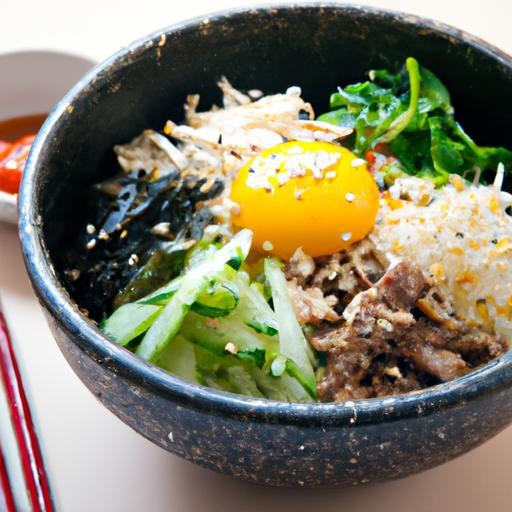
- Assemble the bibimbap bowls: Spoon a generous mound of warm rice into each bowl. Artfully arrange the cooked vegetables on top in separate sections, creating a rainbow of colors. Place the fried egg carefully in the center.
- Add finishing touches: Add 1 tablespoon of gochujang per portion.Garnish with toasted sesame seeds and an extra drizzle of sesame oil for that nutty depth. Encourage stirring everything together just before eating, ensuring the gochujang’s spice, the richness of the egg, and the fresh layers of vegetables meld perfectly.
Tips for Success
- For an extra protein boost, swap the egg for grilled sliced chicken or tofu for a vegan variation.
- Use leftover rice, preferably day-old, for a slightly chewier texture that holds up under layering.
- Adjust gochujang quantity based on your spice tolerance-start with less and add more after tasting.
- To save time,blanch several vegetable types simultaneously in boiling salted water and shock them in ice water to preserve color.
- Stir right before serving to maximize the interplay of textures and flavors. The visual harmony on top is delightful,but the magic happens once mixed.
Serving Suggestions
Serve bibimbap in conventional dolsot (stone bowls) for a sizzling finish that crisps the rice beautifully. Pair with a side of kimchi and a crisp cucumber salad for a refreshing contrast. Garnish with fresh cilantro or sliced scallions and a sprinkle of toasted seaweed flakes to elevate both aroma and presentation.
| Nutrient | Per Serving |
|---|---|
| Calories | 420 kcal |
| Protein | 15 g |
| Carbohydrates | 60 g |
| Fat | 12 g |
Top Places to Experience Authentic Bibimbap in Korea
Immersing yourself in Korea’s food culture offers a chance to appreciate bibimbap in myriad authentic forms. Head to Jeonju, the bibimbap capital of Korea, were local chefs elevate this humble dish into an art form with specially fermented condiments and heirloom rice varieties. Seoul’s traditional marketplaces such as Gwangjang and Namdaemun provide vibrant scenes to savor bibimbap alongside bustling street life. For an upscale experience, visit Michelin-starred restaurants like Bibimbap Story in Gangnam, where modern stylistic interpretations meet classic ingredients-showcasing bibimbap’s endless versatility and cultural relevance.
Discover the essence of Korea’s colorful culinary harmony with every bite, whether you cook it at home or taste it on the bustling streets of Seoul.

Wrapping Up
As the final grains of rice settle beneath layers of vibrant vegetables, savory sauces, and tender proteins, bibimbap reveals itself not just as a meal, but as a vivid tapestry of Korean culture and history.Each colorful ingredient tells a story of balance, tradition, and harmony-ingredients that, when combined, create a symphony of flavors uniquely Korea’s own. Whether enjoyed in a bustling Seoul street market or crafted lovingly at home, bibimbap invites us all to savor more than just food; it’s an invitation to experience the heart of a nation where diversity blends seamlessly on every plate. in uncovering bibimbap’s rich legacy,we uncover a deeper appreciation for the art of culinary unity and the spirited soul of Korea itself.