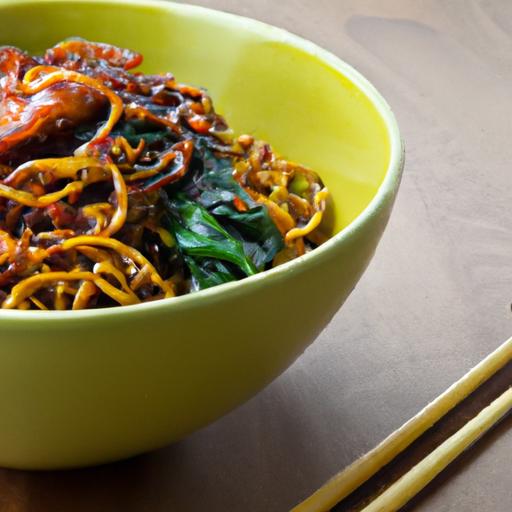
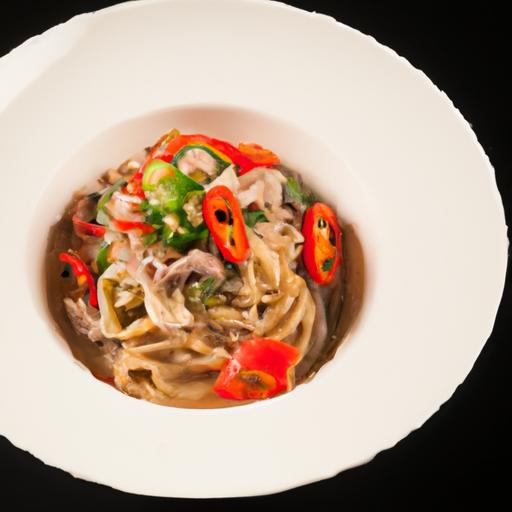

In the bustling world of culinary traditions, few dishes capture the soul of a culture quite like Asian noodle soups-simmering bowls brimming with history, aroma, and vibrant flavors. Now, imagine encapsulating this sensory journey within a simple jar, a portable treasure trove of layered ingredients that unlocks authentic taste with every spoonful. Welcome to the art of Asian noodle soup jars, where ancient recipes meet modern convenience, and craftsmanship transforms humble components into a symphony of flavors waiting to be unleashed. This article delves into how these jars are thoughtfully composed, preserved, and savored, revealing the secrets behind their irresistible charm and timeless appeal.
exploring the Roots and Richness of Asian noodle Soup Jars
Unlocking flavors through the art of Asian noodle soup jars offers a unique glimpse into centuries-old culinary traditions where broth and noodles intertwine to form edible stories. Originating from bustling street markets and humble home kitchens across Asia, these jarred noodle soups showcase the cultural tapestry of regional identities-from the aromatic layers of Southeast Asia’s herbal broths to the bold, spicy profiles of East Asian varieties. I remember my first encounter with a noodle soup jar in a vibrant night market, where each spoonful revealed layers of umami and warmth that transcended mere sustenance, embodying comfort and community in every bite.
Prep and Cook Time
Planning: 20 minutes
cooking: 45 minutes
Total Time: 1 hour 5 minutes
yield
4 servings
Difficulty Level
medium
key Ingredients and Techniques: Layering Depth in Every Jar
- Broth Base: A rich, clear stock made from chicken bones or seafood-slow-simmered to release maximum flavor without cloudiness.
- Noodles: Fresh rice noodles, egg noodles, or wheat noodles, selected to complement the broth’s character.
- Aromatics: ginger, garlic, lemongrass, star anise, and dried shiitake mushrooms gently enhance the base.
- Seasonings: Soy sauce, fish sauce, tamarind paste, and a touch of palm sugar create classic savory-sweet balance.
- Toppings: Sliced chicken, tofu, fresh herbs like Thai basil and cilantro, crunchy bean sprouts, and a squeeze of lime for brightness.
Step-by-Step instructions
- Prepare the Broth: In a large pot, cover 2 lbs chicken bones with cold water. Add 1 sliced onion, 3 crushed garlic cloves, and 2-inch slices of ginger. Simmer gently for 45 minutes, skimming off impurities to keep broth clear and bright.
- Infuse Aromatics: Add 2 stalks smashed lemongrass and 3 star anise pods in the last 15 minutes. Strain broth through a fine sieve into a clean pot to remove solids while preserving aroma.
- Season the Broth: Stir in 3 tbsp light soy sauce, 1 tbsp fish sauce, 1 tbsp tamarind paste, and 1 tbsp palm sugar. Taste and adjust seasoning to achieve a delicate harmony of salty, sour, and sweet notes.
- Cook the Noodles: Prepare 8 oz of rice or egg noodles according to package instructions. Drain and rinse with cold water to stop cooking, then toss lightly in sesame oil to prevent sticking.
- Assemble the Soup Jar: In clean, heatproof glass jars, layer noodles at the bottom, add cooked shredded chicken or tofu, and fresh herbs (a handful of chopped cilantro and Thai basil). Pour hot broth over to fill the jar.
- Seal and Set: Secure the lid tightly. if storing for later,refrigerate and gently reheat by placing the jar in a hot water bath to warm without overcooking the noodles or wilting herbs.
Tips for Success: Perfecting the Art of Asian Noodle Soup jars
- Clear Broth: Skimming frequently during simmering is essential for a pristine broth that looks as inviting as it tastes.
- Noodle Texture: Undercook noodles slightly if you plan to store the soup jars so thay don’t become mushy upon reheating.
- Herb Freshness: Add delicate herbs like basil and cilantro just before serving or storing to maintain vibrant color and flavor.
- Customization: Swap chicken with firm tofu or seafood for varied textures and tastes, adhering to dietary preferences.
- Storage: Soup jars keep well in the fridge for up to 3 days-reheat gently, never by boiling, to preserve layers of flavor.
Creative Variations and Regional Twists
embrace the diversity of Asian noodle soup jars by experimenting with regional flavors:


- Vietnamese Pho Jar: Infuse broth with star anise and cinnamon sticks, add thinly sliced beef and bean sprouts.
- Thai Tom Yum Jar: Use lemongrass, kaffir lime leaves, and galangal with a spicy chili-paste kick and fresh shrimp.
- Japanese Ramen Jar: Incorporate miso or soy-based broth, top with soft boiled eggs, seaweed, and bamboo shoots.
- Korean jjampong Jar: Make a spicy seafood broth with kimchi and noodles for an umami-rich experience.
Serving Suggestions
Present your Asian noodle soup jar with fresh lime wedges and sliced chili for an extra zest. Arrange complementary sides like pickled vegetables, crispy shallots, or steamed greens to create a balanced, visual feast. Let guests stir in hot chili oil or fresh herbs themselves to awaken all the senses. Serve with a sleek ceramic spoon that dips deeply into the broth and layers-making each spoonful a sensory journey.
| Nutrient | Per Serving |
|---|---|
| Calories | 320 kcal |
| Protein | 25 g |
| Carbohydrates | 40 g |
| Fat | 8 g |

Discover more intricate soup recipes by visiting our asian Soups and Stews guide and for comprehensive ingredient insights, visit Serious Eats Broth Guide.
Concluding Remarks
As we wrap up our journey through the vibrant world of Asian noodle soup jars, it’s clear that these humble vessels hold far more than just broth and noodles-they encapsulate centuries of culinary artistry, cultural heritage, and innovative flavor layering. Unlocking the secrets behind each carefully crafted jar not only deepens our thankfulness for these comforting soups but also invites us to savor the intricate dance of textures, aromas, and ingredients that define them. So next time you lift the lid on a steaming noodle soup jar, remember: you’re not just enjoying a meal-you’re embracing a story, a tradition, and the timeless art of Asian gastronomy in every appetizing spoonful.