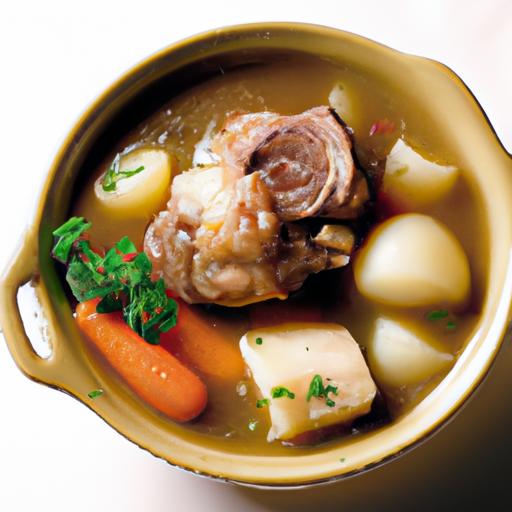



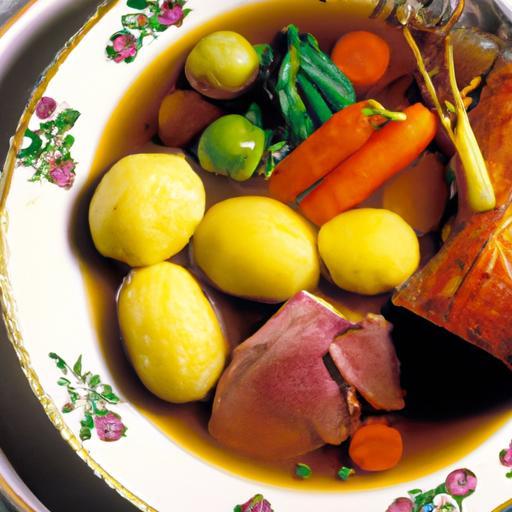

In the heart of French culinary heritage simmers a humble masterpiece that has nourished families for generations-Pot-au-Feu. More than just a stew, this iconic dish embodies the essence of comfort, tradition, and the art of slow cooking. with its rich broth, tender meats, and vibrant vegetables, Pot-au-Feu invites us to uncover the timeless ritual that transforms simple ingredients into a symphony of flavors.Join us as we embark on a savory journey into France’s beloved pot-au-Feu, exploring its history, regional variations, and the enduring warmth it brings to tables near and far.
Pot-au-Feu stands as a crown jewel in French culinary heritage-this timeless hearty stew tradition is a celebration of simplicity, patience, and the beauty of humble ingredients transformed into soulful comfort. Beloved across generations, pot-au-feu embodies the essence of French country cooking, where slow simmering melds robust cuts of beef with fresh, seasonal vegetables, creating an unforgettable aroma and flavor that warms both body and spirit.
Origins and Cultural Significance of Pot-au-Feu in french Heritage
Rooted deeply in rural France, pot-au-feu has long been recognized as a quintessential family dish, often enjoyed during colder months around the hearth. Originally a stew meant to use affordable beef cuts and staple vegetables,its name-literally “pot on the fire”-evokes images of a large cast-iron pot gently bubbling over an open flame. This dish not onyl nourished families physically but also symbolized gathering and sharing.It is considered by many the pinnacle of traditional French home cooking, revered for uniting simple flavors into a harmonious and richly satisfying meal.
Selecting the Perfect Cuts of Meat and Seasonal Vegetables for Authentic Flavor
Choosing the right ingredients is key to mastering pot-au-feu’s remarkable depth. Opt for beef cuts suited for slow cooking, such as brisket, chuck, shank, and oxtail. These cuts yield tender, flavorful meat and rich collagen that enriches the broth. Avoid lean steaks, as they tend to toughen during long cooking.Bone-in pieces enhance the broth’s complexity with natural marrow and gelatin.
Vegetables are equally crucial: classic selections feature carrots, leeks, celery, onions studded with cloves, and turnips. Potatoes and cabbage often join toward the end, adding texture and sweetness.Always seek fresh, firm produce ideally from local or seasonal sources to achieve authentic flavor and aroma.
Step-by-Step Guide to Mastering the Classic Slow Simmer technique
- Planning: Trim excess fat from the beef, tie tougher cuts with kitchen twine for shape.
- Browning (optional): Lightly sear some cuts to develop added richness, though traditional pot-au-feu often skips this step for a cleaner broth.
- Simmering: place meat in a large heavy-bottomed pot and cover with cold water. Slowly bring to a gentle simmer, skimming impurities with a ladle for clarity.
- Adding vegetables: After an hour or so, add hard vegetables like carrots, leeks, and turnips, continuing to simmer gently.
- Seasoning: Use whole peppercorns, a bouquet garni (thyme, bay leaves, parsley stems), and salt to build layers of flavor.
- Finishing: When meat is tender (approximately 3-4 hours), add softer vegetables such as potatoes and cabbage for the last 30 minutes.
- Resting: Allow the pot to cool slightly, which deepens flavor before serving.
Expert Tips for Serving and Pairing Pot-au-Feu Like a True French Connoisseur
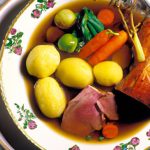
Presentation is as thoughtful as preparation. Traditionally,the broth is served first as a clear consommé with diced vegetables and bits of meat,accompanied by crunchy cornichons and coarse sea salt. Next, the meat and vegetables are presented on a warm platter, garnished with fresh parsley, horseradish sauce, or a tangy mustard for added brightness.
Pair pot-au-feu with rustic crusty bread to soak up the flavorful broth. Classic sides include Dijon mustard and a fresh, crisp green salad with a light vinaigrette. For beverages, opt for mineral water, a light herbal tea, or if desired, a carefully chosen non-alcoholic sparkling beverage to cleanse the palate.
Mastering pot-au-feu means embracing patience and simplicity, turning humble ingredients into a classic French feast that celebrates tradition, family, and flavor in every slow-cooked spoonful.

Prep and Cook Time
- Preparation: 30 minutes
- Cooking: 3.5 to 4 hours
Yield
- Serves 6-8 hearty portions
Difficulty Level
- Medium – requires time and attention but accessible for most home cooks
Ingredients
- 3 lbs beef brisket,chuck,shank,and oxtail mix,trimmed
- 12 cups cold water
- 2 large onions,studded with 5 cloves each
- 4 large carrots,peeled and cut into chunks
- 3 leeks,cleaned and halved
- 3 stalks celery,cut into 3-inch pieces
- 3 turnips,peeled and quartered
- 6 small potatoes (preferably waxy),peeled
- 1 small head green cabbage,quartered
- 1 bouquet garni (thyme,bay leaves,parsley stems)
- 1 tbsp whole black peppercorns
- 2 tsp kosher salt,adjust to taste
- Fresh parsley,chopped for garnish
- Horseradish sauce or Dijon mustard,for serving
Instructions
- Prepare the beef: Clean and trim excess fat from your beef cuts,tying the shank or odd-shaped pieces with kitchen twine to hold shape during cooking.
- Assemble the pot: Place the beef in a large heavy-bottomed pot, pour in cold water until meat is fully submerged (about 12 cups).
- Initial simmer: Slowly heat over medium-low heat. As soon as tiny bubbles rise (not a rolling boil), skim off any foam or impurities with a ladle. This step ensures a clear broth.
- Onion preparation: While simmering, char the onions slightly in a dry pan until golden-this adds sweetness and depth.
- Add vegetables and aromatics: After 1 hour, add the charred onions, carrots, leeks, celery, turnips, bouquet garni, peppercorns, and salt to the pot. Maintain a very gentle simmer; the liquid should never boil vigorously.
- Continue slow cooking: Cook for approximately 2 to 2.5 hours until meat begins to become tender.
- Add tender vegetables: Incorporate potatoes and cabbage.Continue to simmer for about 30 minutes until all vegetables and meat are fork-tender.
- Check seasoning: Taste broth, adjust salt if necessary. Remove bouquet garni and discard.
- rest before serving: Remove pot from heat and let sit for 15 minutes. This resting period enriches the flavors and settles the broth.
Chef’s Notes
- For the clearest broth, avoid stirring once simmering begins.
- If you prefer a richer flavor, gently brown the beef cuts before adding water, but this is optional.
- The bouquet garni may be customized-add parsley stems, thyme, or bay leaves based on preference.
- Leftovers keep beautifully and taste even better the next day.
- This recipe is easily doubled for larger gatherings.
- Use fresh horseradish for a traditional spicy kick to complement the richness.
Serving Suggestions
- Serve broth first in small bowls with diced vegetables and tiny pieces of beef.
- Present coarsely chopped meat and whole vegetables on a large platter.
- Offer Dijon mustard and horseradish sauce on the side for added depth.
- Garnish with freshly chopped parsley for a vibrant, fresh contrast.
- Pair with crusty French country bread to soak up the savory broth.
| Nutritional Info (per serving) | Calories | Protein | Carbs | Fat |
|---|---|---|---|---|
| Pot-au-Feu | 350 kcal | 32 g | 15 g | 12 g |

Discover more French classics such as Ratatouille: The Art of provençal Vegetables to complement your culinary journey.For an in-depth history on French cooking traditions, visit French cultural Institute.
In Summary
As the comforting aroma of simmering broth and tender vegetables fills the kitchen, Pot-au-Feu stands as more than just a dish-it is indeed a timeless embodiment of french heritage and heart. This humble stew, with its layers of flavor and history, invites us to slow down, gather around the table, and savor the simple joys of communal dining.Whether enjoyed in a rustic countryside home or recreated in your own kitchen, Pot-au-Feu remains a delicious reminder that true culinary traditions endure through the warmth they bring to both palate and soul. So, next time you seek a taste of France’s enduring charm, let pot-au-Feu guide you back to the essence of hearty, soulful eating.