



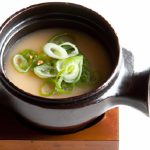
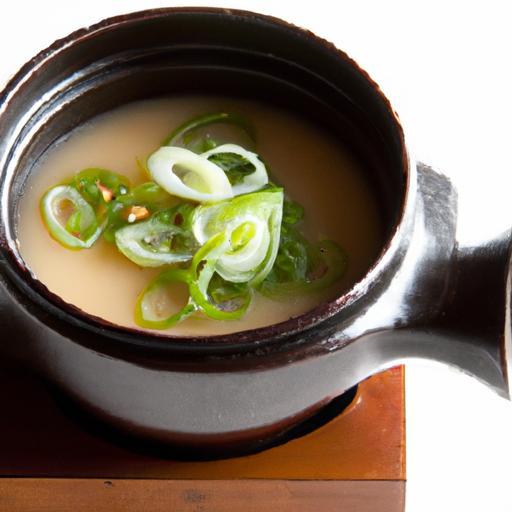

In the delicate dance of flavors and tradition, few dishes capture the essence of comfort quite like homemade miso soup. Beyond its humble appearance lies a world of rich umami, nurturing warmth, and time-honored artistry-a bowl that transcends mere nourishment to become a soulful experience. “Crafting Comfort: The art of Homemade Miso Soup Bliss” invites you to explore the delicate balance of ingredients, the subtle alchemy of fermentation, and the mindful preparation that transform simple components into a masterpiece of taste and tradition. Whether new to this Japanese staple or seeking to deepen your culinary ritual, this journey reveals how making miso soup from scratch is more than cooking-it’s an invitation to savor comfort in its purest, most heartfelt form.
Crafting Comfort is a journey into the heart of Japanese culinary tradition-a delightful ritual that transforms humble miso soup into a bowlful of serenity and soulful umami richness. Embracing the subtle balance of flavors, this timeless dish invites you to explore the art of homemade miso soup bliss, where each component-from the delicate dashi broth to the carefully chosen toppings-unfolds a story of harmony and comfort.
prep and Cook Time
- Preparation: 15 minutes
- Cooking: 20 minutes
Yield
Serves 4 generously sized bowls
Difficulty Level
Easy to Medium – approachable for any home cook eager to master foundational Japanese flavors
Ingredients
- 4 cups water
- 1 piece (4×4 inches) kombu (dried kelp)
- 1 cup loosely packed bonito flakes (katsuobushi)
- 3-4 tablespoons white or yellow miso paste (adjust to taste)
- 100g silken tofu, cubed
- 2 green onions, thinly sliced
- 1/2 cup wakame seaweed, rehydrated and drained
- Optional toppings: shiitake mushrooms (sliced), sliced daikon radish, carrot ribbons
Instructions
- Prepare the dashi broth: In a medium saucepan, gently wipe the kombu with a damp cloth to remove any impurities, but avoid washing it off fully to preserve flavour. Add kombu and water to the pot and soak for 30 minutes to an hour if time allows.
- Heat the water and kombu: Slowly bring to a near boil over medium heat.Just before it boils, remove the kombu to prevent bitterness.This step is crucial for a clean, umami-rich broth.
- Add bonito flakes: Once the kombu is removed, add the bonito flakes and let the mixture simmer for 1-2 minutes. Remove from heat and let the bonito settle for 5 minutes.Strain the dashi through a fine sieve or cheesecloth, discarding the flakes.
- Incorporate miso paste: Place miso in a small bowl or ladle and mix with a few tablespoons of hot dashi broth until smooth. Return this mixture to the pot, stirring gently to combine. Keep the heat low-avoid boiling once miso is added to preserve its delicate flavors and probiotics.
- Add tofu and wakame: Gently fold in cubed silken tofu and rehydrated wakame seaweed. Warm through for 2-3 minutes without boiling.
- Finish with fresh green onions: garnish the soup with thinly sliced green onions and your choice of optional toppings, like sautéed shiitake or crisp daikon ribbons, for an added textural contrast and vibrant color.
- Serve instantly: Ladle the soup into warmed bowls to enjoy its comforting warmth and layered umami flavors with every sip.
Tips for Success: Mastering the Broth and Toppings
- Select quality ingredients: Good kombu and fresh bonito flakes form the backbone of your broth. Organic or carefully sourced miso paste delivers authentic depth.
- Control the heat: Never boil the soup after adding miso.Overheating can dull its flavor and destroy beneficial enzymes.
- Customize your toppings: Silken tofu offers creaminess,wakame adds briny sweetness,and mushrooms introduce earthiness. Experiment with seasonal vegetables to keep the experience fresh.
- make dashi in advance: Prepare a batch and refrigerate or freeze it for quick miso soup fixes anytime.
- Balance flavors thoughtfully: Taste and adjust miso quantity to your preference; some enjoy a lighter broth, others lean into a richer miso presence.
Serving Suggestions: Elevate Your miso Soup Ritual
Present in deep, rustic bowls to retain heat and invite slow sipping. Garnish with finely sliced green onion curls and a sprinkle of toasted sesame seeds for subtle crunch and aromatic allure. Pair with steamed jasmine or sushi rice and a crisp cucumber sunomono salad for a well-rounded meal.A side of pickled vegetables can also complement the soup’s umami without overpowering it.
| Nutrient | Per Serving |
|---|---|
| Calories | 90 kcal |
| Protein | 8 g |
| Carbohydrates | 5 g |
| Fat | 3 g |
Explore more Japanese cooking tips and deepen your culinary craft. For a comprehensive understanding of dashi and its cultural importance, visit Just One Cookbook’s expert guide.

In Summary
as the gentle warmth of a homemade bowl of miso soup settles in, it becomes clear that this humble dish is much more than a simple broth-it is a crafted comfort, a delicate balance of tradition and personal touch. Whether stirred with the umami depth of aged miso or brightened by fresh seasonal additions, each spoonful tells a story of patience, care, and culinary artistry. Embracing the art of making miso soup at home not only nourishes the body but also invites a moment of mindful delight, reminding us that true bliss often begins with the simplest ingredients prepared with love. So next time you crave a taste of serenity, remember that crafting your own miso soup is an invitation to create comfort, one heartfelt bowl at a time.