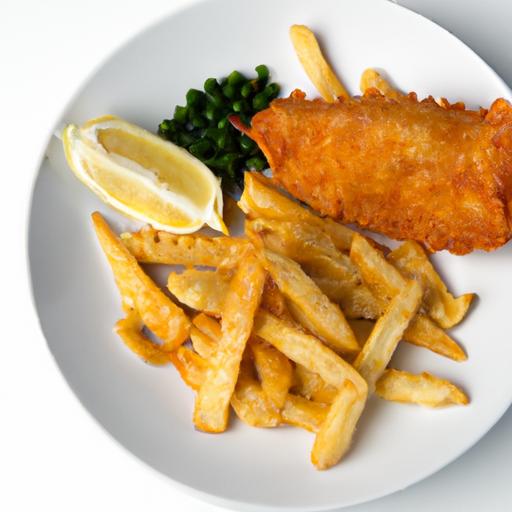
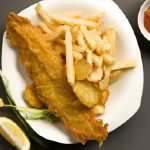


Golden, crispy, and irresistibly comforting-fish and chips is more than just a meal; it’s a beloved British institution that has stood the test of time. From the bustling streets of Victorian London to cosy seaside towns, this humble dish has woven itself into the very fabric of British culture. But behind every perfectly battered fillet and piping hot portion of chips lies a rich history full of innovation, tradition, and community spirit.Join us as we delve into the story behind this crunchy classic,uncovering the origins,evolution,and enduring charm of Britain’s favourite takeaway.
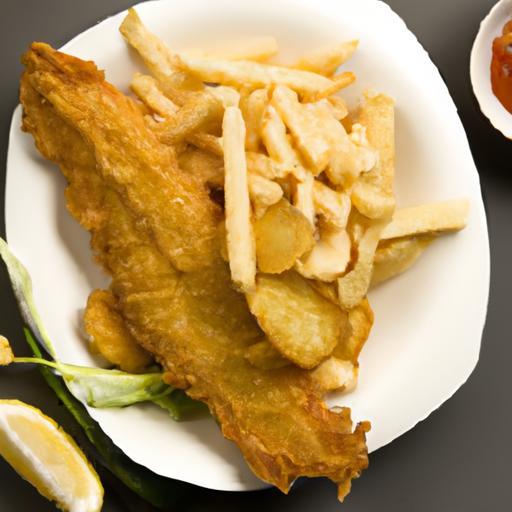
Crunchy Classics: The Story Behind British Fish and Chips is more than just a meal; it is a beloved emblem of British heritage and comfort. Originating in the mid-19th century, this iconic dish brought together fried fish, introduced by Jewish immigrants, and crispy fried potatoes, rooted in British culinary tradition, creating a perfect harmony of texture and flavour that has stood the test of time. The crunchy batter enveloping flaky white fish paired with golden chips forms an irresistible combination that has become a national treasure.
Prep and Cook Time
- Preparation: 20 minutes
- Cooking: 15 minutes
- Total Time: 35 minutes
Yield
Serves 4 hearty portions
Difficulty Level
Medium – requires attention to batter consistency and frying technique
Ingredients
- 4 large fillets of fresh cod or haddock (about 6 oz each),skin removed
- 1 ½ cups all-purpose flour,sifted,plus extra for dusting
- 1 tsp baking powder
- 1 cup cold sparkling water or lager (optional for extra crispiness)
- 1 tsp sea salt
- ½ tsp freshly ground black pepper
- Vegetable oil (for deep frying,about 4 cups)
- 4 large Maris Piper or Russet potatoes,peeled and cut into thick chips
- Malt vinegar or lemon wedges,to serve
- Fresh parsley,finely chopped (optional garnish)
Instructions
- Prepare the Chips: Rinse the potato chips under cold water to remove excess starch,then pat dry thoroughly with kitchen towels. Soak in cold water for 30 minutes to ensure crispness.
- Parboil the Chips: Bring a pot of salted water to a boil, blanch the chips for 3-4 minutes until slightly tender but not cooked through. Drain and dry fully on a kitchen towel.
- Heat the Oil: Fill a deep, heavy-bottomed pan or deep fryer with vegetable oil. Heat to 320°F (160°C) for the first fry.
- First Fry: Fry the chips in small batches for 4-5 minutes until pale and limp but not browned.Drain on paper towels and set aside.
- Make the Batter: In a bowl, sift together the flour, baking powder, salt, and black pepper.gradually whisk in the cold sparkling water or lager until the batter is smooth and thick enough to coat the back of a spoon. Keep chilled.
- Dust the Fish: Lightly coat each fish fillet with flour. This helps the batter adhere better and ensures a crispy crust.
- Batter and Fry the Fish: Dip each fillet into the batter, lifting so excess drips off. Carefully lower into the hot oil heated to 350°F (175°C). Fry for 5-7 minutes,turning once,until batter is golden and crispy and fish flakes easily.
- Second Fry for Chips: Increase oil temperature to 375°F (190°C). Fry the parboiled chips again in batches for 2-3 minutes until golden and crisp. Drain on paper towels and season immediately with salt.
- Serve: Arrange the crispy fish and golden chips on a plate.Garnish with chopped parsley, serve with malt vinegar or lemon wedges for an authentic British finish.
Tips for Success
- Keeping it Crunchy: Using sparkling water or non-alcoholic lager in the batter introduces bubbles that make the crust light and crisp. Keep the batter cold by placing the bowl over ice before frying to maintain texture.
- Oil Management: Maintain consistent frying temperatures; too hot and the batter burns before fish cooks, too low and batter becomes soggy. Use a thermometer for accuracy.
- Choosing Fish: Opt for firm white fish like cod or haddock, which hold together during frying and flake beautifully.
- Batch Frying: Do not overcrowd the fryer, as this drops oil temperature and results in greasy fish and chips.
- Make-Ahead: Parboil and blanch chips in advance if timing a meal event. Store in the fridge and fry fresh when ready to serve.
serving Suggestions
For a truly immersive experiance, present your fish and chips on conventional newspaper print parchment for that nostalgic British feel. Add a side of mushy peas or a tangy tartar sauce to complement the crunchy batter. A sprinkle of fresh chopped parsley brightens the plate visually and adds a hint of freshness. Don’t forget a generous splash of malt vinegar or a squeeze of lemon to cut through the richness and elevate the flavors.

| Nutrient | Per Serving |
|---|---|
| Calories | 700 kcal |
| Protein | 40 g |
| Carbohydrates | 75 g |
| Fat | 28 g |
Exploring Fish and Chips and More
Discover classic British culinary delights and how to elevate them in our article on Traditional British Puddings and Desserts. To deepen your understanding of the dish’s history, visit the British Heritage Food History website, offering complete insights into this timeless classic.
Closing Remarks
As the golden crunch of British fish and chips continues to captivate taste buds across generations, it’s clear that this humble dish is far more than just a meal-it’s a crispy emblem of culture, history, and community. From its modest beginnings to its place on the menus of seaside towns and city streets alike, fish and chips have truly earned their iconic status. So next time you unwrap that steaming parcel, remember you’re not just enjoying a snack; you’re savoring a story steeped in tradition, resilience, and the simple joy of comfort food done just right. hear’s to many more generations delighting in the crunchy classics that have shaped Britain’s culinary heritage.