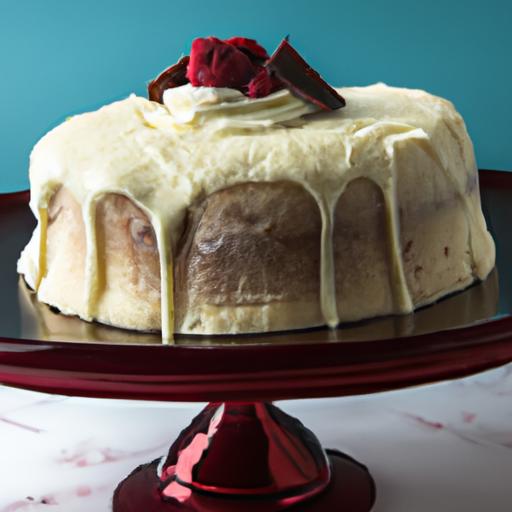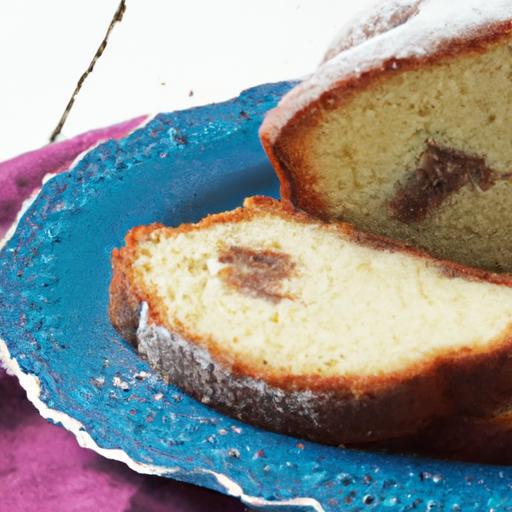





Beneath the delicate crumb and golden crust of a Genoa cake lies a timeless secret-a sponge so light, airy, and deceptively simple that it forms the vrey soul of this classic Italian delight. Known as the Genoise sponge,this culinary masterpiece has challenged bakers for centuries,its seemingly straightforward ingredients masking the nuanced technique required to achieve perfection. In this article, we will uncover the secrets behind mastering the Genoise sponge, revealing the science and artistry that transform eggs, sugar, flour, and butter into a tender, cloud-like foundation worthy of the iconic Genoa cake. Weather you’re an aspiring patissier or a curious home baker, prepare to elevate your baking skills and bring a slice of tradition to your table.
Genoise Sponge Secrets: Mastering the Classic Genoa cake is a delightful journey into the heart of conventional French baking. This sponge is famed for its airy, tender crumb and subtle buttery flavor, making it the perfect canvas for everything from layered cakes to elegant roulades. Originating from Genoa, Italy, this cake evolved into a cornerstone of patisserie, prized for its versatile structure and light texture. I still remember the first time I whisked the eggs to towering peaks-the moment you realize this isn’t just any sponge but a festivity of technique and ingredient harmony.
Prep and Cook Time
- Preparation: 15 minutes
- Cooking: 20-25 minutes
- Total: 40 minutes
Yield
Serves 8-10 slices
Difficulty Level
Medium – requires careful whisking and folding techniques
Ingredients
- 4 large eggs, at room temperature
- 3/4 cup granulated sugar
- 1 cup all-purpose flour, sifted
- 1/4 cup unsalted butter, melted and cooled
- 1 tsp pure vanilla extract
- Pinch of salt
Instructions
- Preheat your oven to 350°F (175°C). Butter and line an 8-inch round cake pan with parchment paper for effortless release.
- Combine eggs and sugar in a large heatproof bowl. Place over a simmering water bath and whisk constantly until the mixture is warm to the touch (around 110°F/43°C), and sugar dissolves.
- Remove from heat and transfer to a stand mixer fitted with a whisk attachment. Whisk on high until the mixture triples in volume and forms thick ribbons when the whisk is lifted-about 7-10 minutes.This step is crucial for that fluffy, light sponge structure.
- Gently fold in the sifted flour and salt in two batches using a large spatula or metal spoon. Use slow, folding motions to retain air. Avoid overmixing or you’ll deflate the sponge.
- Drizzle the cooled melted butter and vanilla extract around the edge of the batter, folding quickly (but gently) to incorporate.
- Pour the batter into your prepared pan, smoothing the top with a spatula.Tap the pan lightly on the counter to eliminate any large air bubbles.
- Bake for 20-25 minutes, testing doneness by inserting a skewer in the center-if it comes out clean, your genoise is ready.
- Allow to cool in the pan for 10 minutes before turning out onto a wire rack. Cool completely before slicing or decorating.
Chef’s notes: Tips for Success
- Egg Temperature: Using eggs at room temperature helps create better volume during whisking.
- Warm Sugar-Egg Mixture: Gently warming sugar dissolves grains and stabilizes the foam-don’t skip this step!
- Folding Technique: Use a wide spatula and fold with a “cut and lift” motion. This avoids collapsing the air bubbles that make this sponge unique.
- Butter Temp: Add butter at lukewarm temperature to avoid shocking the batter and ruining its lightness.
- Make-Ahead: Genoise sponges can be wrapped tightly and stored at room temperature for a day or frozen for up to two weeks. Thaw gently before decorating.
- Troubleshooting: If your cake is dense, it’s usually due to undermixing or overfolding the flour. Overbaking also leads to dryness, so monitor closely near the end.
Serving Suggestions
Present your genoise sponge layered with fresh whipped cream and seasonal berries for a classic touch. A light dusting of powdered sugar or a glossy mirror glaze will elevate the visual appeal. This sponge integrates beautifully with rich fillings like chocolate ganache or tangy citrus curd. For a refined finish, garnish with edible flowers, slivered almonds, or a drizzle of fruit coulis.

| Nutritional Info (per serving) | Calories | Protein | carbohydrates | Fat |
|---|---|---|---|---|
| Classic Genoise Slice | 190 kcal | 5 g | 28 g | 6 g |
Understanding the Science Behind the Perfect Genoise Texture
At the heart of these Genoise Sponge Secrets lies the transformative power of egg proteins. When whisked vigorously, eggs trap air, creating an elastic matrix that expands with heat, allowing the cake to rise without baking powder. This foam structure is what makes genoise uniquely light and tender. The gentle folding technique preserves these microscopic air bubbles, while the warm, melted butter adds moisture and a rich mouthfeel, contrasting the otherwise dry texture of flour and eggs. Precision and timing here are everything; the balance between aeration and stability is the key to that flawless crumb.
Selecting Ingredients That Elevate Your Genoise to New Heights
Quality ingredients are non-negotiable when perfecting this sponge. Start with fresh, room-temperature eggs-nature’s leavening and structure. Pure vanilla extract or even an infusion like lemon zest can deepen complexity. Finely sifted all-purpose flour avoids clumps that can weigh down the batter, and unsalted butter lets you control salt tone. Some bakers opt for cake flour,wich can yield an even softer sponge,but the classic all-purpose flour gives the perfect balance between tenderness and firmness. Remember, each ingredient’s form and temperature influence the final sponge’s integrity.

Mastering the Whisking Technique for Fluffy, Light Sponge
The whisking stage is your moment to shine. Slowly heating sugar and eggs while whisking creates a stable, glossy foam essential for rise and lightness-no chemical leaveners needed.Patience matters: whisking too briefly or over whisking after removing from heat changes the egg proteins’ behavior, impacting the finished texture. Use a stand mixer with a whisk attachment or a balloon whisk by hand, maintaining a steady speed until the mixture thickens to a glossy ribbon stage.This is when you know you’re capturing the essential air that transforms the Genoise Sponge secrets into magic.
Troubleshooting Common Genoise Baking Challenges with Expert Tips
If your genoise falls flat or turns out dense, first check your whisking technique: insufficient aeration or aggressive folding can deflate the batter. avoid adding flour quickly or stirring vigorously after folding in butter-gentle incorporation is vital. If the cake bakes unevenly, ensure your oven temperature is accurate and your pan is properly prepared for heat distribution. For cracks or dryness, lowering the baking temperature slightly and confirming doneness earlier can definitely help. Lastly, always cool the cake inverted if possible to maintain its structure and prevent collapse.
For deeper understanding and recipe variations, explore our related sponge cake recipes.For in-depth baking science, visit King Arthur Flour’s baking science section.
Key Takeaways
As the final crumb falls and the aroma of your perfectly baked genoise lingers in the air, you’ve unlocked more than just a recipe-you’ve uncovered a timeless technique that transforms simple ingredients into an airy masterpiece. Mastering the classic Genoa cake is as much about patience and precision as it is about passion and practice. With these Genoise sponge secrets in your culinary repertoire, every slice you create will carry the delicate balance of tradition and artistry. So, roll up your sleeves, embrace the dance of eggs and flour, and let your kitchen be filled with the warm glow of golden sponge perfection. Your journey to baking brilliance has onyl just begun.