


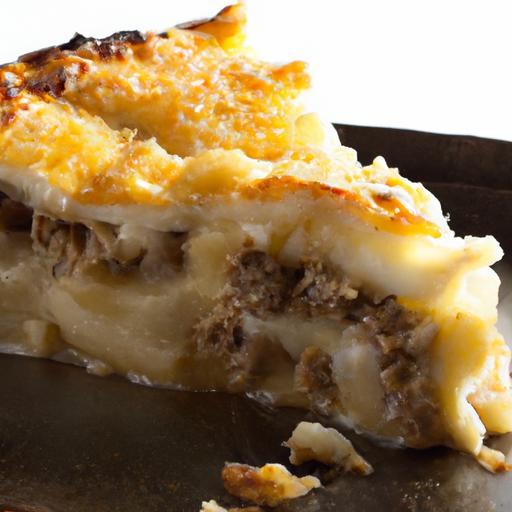

In teh bustling tapestry of mediterranean cuisine, few dishes capture the heart and soul of Greece quite like moussaka. This layered marvel, with its velvety béchamel, tender eggplants, and spiced meat filling, is more than just a meal-its a culinary legend passed down through generations. But what is it that makes classic Greek moussaka truly magical? Is it the careful balance of flavors, the artistry in its planning, or the rich history embedded in every bite? Join us as we unlock the secrets behind this beloved dish, unveiling the traditions, techniques, and tastes that have turned moussaka into an enduring symbol of Greek gastronomy.
Choosing the Perfect Ingredients for Authentic Taste
Unlocking the Secrets of Classic Greek Moussaka Magic begins with selecting ingredients that honor the dish’s rich heritage. Traditional moussaka is a symphony of textures and flavors, where each component adds depth and warmth. Opt for firm, ripe eggplants too achieve that silky, slightly smoky layer, and choose fresh ground lamb or beef-or even a mix-to create a luscious, spiced meat filling. Remember, the quality of your tomatoes will set the tone: use ripe, fleshy plum tomatoes or velvety passata for a sauce that sings with authenticity.
Don’t overlook the subtle aromatics – onions, garlic, cinnamon, and a touch of nutmeg – these bring complexity to the meat layer and the creamy béchamel. When you source these ingredients thoughtfully, you are already halfway to that magic Greek flavor, full-bodied and comforting.
Prep and Cook Time
- Preparation: 40 minutes
- Cooking: 1 hour 20 minutes
- Total Time: 2 hours
Yield
Serves 6 to 8 generously, perfect for sharing around a festive table or savoring as tasty leftovers.
Difficulty Level
Medium – A rewarding culinary adventure for those comfortable with layering flavors and managing multi-step techniques.
Ingredients
- 3 large eggplants, sliced ½ inch thick
- 2 tbsp olive oil, plus more for brushing
- 1 lb ground lamb (or beef)
- 1 large onion, finely chopped
- 3 garlic cloves, minced
- 1 cup crushed plum tomatoes or quality passata
- ½ cup dry breadcrumbs
- 1 tsp ground cinnamon
- ½ tsp ground allspice
- Salt and freshly ground black pepper to taste
- 3 tbsp unsalted butter
- 3 tbsp all-purpose flour, sifted
- 3 cups whole milk, warmed
- 2 large egg yolks
- ¼ tsp freshly grated nutmeg
- 1 cup grated Kefalotyri or Parmesan cheese, divided
- Fresh parsley for garnish
Instructions
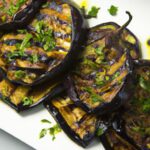
- Prepare the eggplants: Lightly brush each slice with olive oil and arrange in a single layer on baking sheets. Bake at 400°F (205°C) for 20 minutes,flipping halfway,until golden and tender. This step removes bitterness and intensifies flavor. Set aside.
- Sauté the meat filling: Heat 2 tbsp olive oil over medium heat. Add chopped onion and garlic; sauté until translucent, about 5 minutes. Add ground lamb, breaking it apart, cooking until browned and fragrant, about 8 minutes. Season with salt, pepper, cinnamon, and allspice.
- Simmer the tomato sauce: Stir in crushed tomatoes and simmer gently for 15 minutes, allowing the flavors to meld and thicken. stir in breadcrumbs to absorb moisture and bind the mixture beautifully. Adjust seasoning as needed. Remove from heat.
- Craft the creamy béchamel: Melt butter in a medium saucepan. Whisk in flour and cook for 2 minutes to form a smooth roux-avoid browning. Gradually pour in warm milk, whisking constantly, until thick and velvety, about 8 minutes. remove from heat. Temper egg yolks with a few spoonfuls of béchamel, then stir yolks back into sauce. Add nutmeg and half the cheese, stirring to combine.
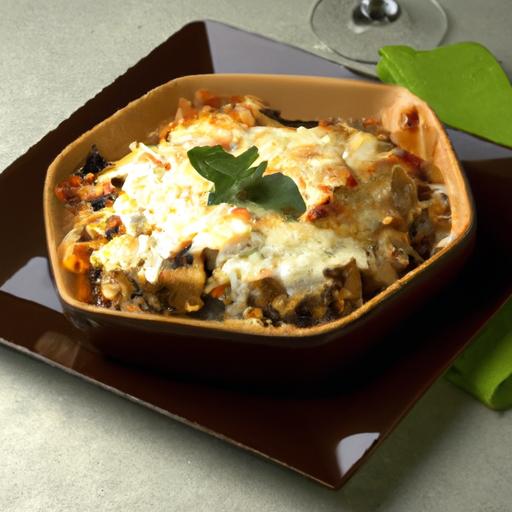
- Assemble the layers: In a greased baking dish, lay half the eggplant slices evenly. Spoon the meat sauce over, spreading gently. Layer the remaining eggplants on top.Pour béchamel sauce over the entire surface, smoothing with a spatula. Finish by sprinkling remaining cheese for a luscious,golden crust.
- Bake to perfection: Place dish in a preheated oven at 350°F (175°C) for 45-50 minutes. The béchamel should bubble gently and turn a gorgeous golden brown. Let cool for 20 minutes before slicing-this resting time allows the layers to set perfectly for a clean cut and sublime mouthfeel.
Chef’s Notes & Tips for success
- Eggplants: Salt slices and let them rest for 30 minutes to draw out excess moisture and bitterness,then pat dry before roasting.
- Meat variations: For a leaner version, substitute all or part of lamb with beef or ground turkey.
- Béchamel texture: Keep whisking steadily when adding milk to avoid lumps and achieve a seamless creaminess.
- Advance prep: Eggplants and meat sauce can be made a day ahead; refrigerate separately and assemble just before baking.
- Presentation: Use a serrated knife for slicing to hold the layers intact. Garnish with fresh parsley or a sprinkle of toasted pine nuts for contrast.
Serving Suggestions
Serve warm with a crisp garden salad of cucumbers, tomatoes, and olives tossed in lemon and olive oil to balance the richness. Pair with crusty bread to soak up every silky layer. A light drizzle of fresh herbs or a few kalamata olives on the side enhances the authentic Greek experience. This dish truly shines as the centerpiece of hearty family dinners or festive celebrations.

| Nutrient | Per Serving |
|---|---|
| calories | 480 kcal |
| Protein | 28 g |
| Carbohydrates | 22 g |
| Fat | 32 g |
Mastering the Creamy Béchamel Sauce Technique
the hallmark of exceptional moussaka is its luxurious béchamel, a creamy crown that unites every layer. Achieving this velvety sauce demands patience and precision. Start with a classic roux-melting butter and whisking in flour until smooth-then slowly add warm milk. This gradual mixing prevents lumps and builds sumptuous thickness.
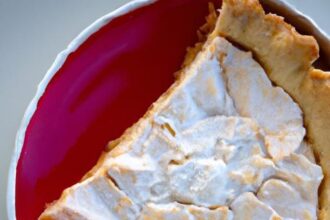
Integrating egg yolks towards the end enriches the béchamel, giving it a tender elasticity that bakes to a golden, slightly nutty crust. Nutmeg’s gentle warmth brings a delicate spice note, elevating your béchamel from basic to unforgettable. A final dusting of Kefalotyri or Parmesan cheese ensures that irresistible, bubbly finish.
Secrets to Achieving the Ideal bake and Presentation
Patience rewards here: allowing your moussaka to rest after baking is crucial-this resting phase lets the layers settle and flavors harmonize. Avoid rushing the cut by slicing only when warm, not piping hot, to retain the elegant layers and firm texture.
for the perfect bake, moderate heat is key to melting cheese evenly while caramelizing the top without drying out the interior. Use a deep baking dish to accommodate generous layers, fostering the classic tall structure that invites awe and appetite.
Visually, the golden crust with flecks of toasted cheese contrasts beautifully against the deep purple eggplant and rich red meat sauce layers inside. Garnishing with fresh parsley or a sprinkle of ground sumac ties the presentation to the dish’s Mediterranean origins, ensuring a feast as beautiful as it is delicious.
Looking for other Mediterranean classics to complement your meal? Explore our Spanakopita Recipe for a perfect side. For in-depth culinary history,visit Britannica’s moussaka page.
in Summary
As the layers of tender eggplant, spiced meat, and creamy béchamel come together, moussaka reveals itself not just as a dish, but as a journey through Greece’s rich culinary heritage. Unlocking the secrets behind its magic invites us to savor more than flavors-it invites us to taste history, culture, and the heart of Mediterranean tradition. Whether you’re a seasoned cook or a curious foodie,embracing the art of classic Greek moussaka is a delicious step toward connecting with a timeless recipe that continues to enchant palates around the world.So next time you slice into that golden, bubbling masterpiece, remember: you’re partaking in a story as layered and rich as the moussaka itself.