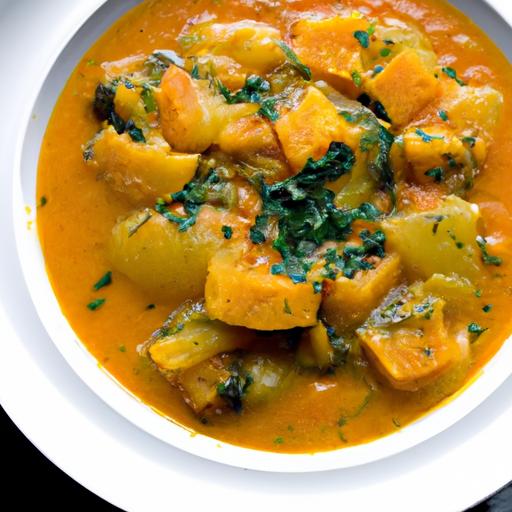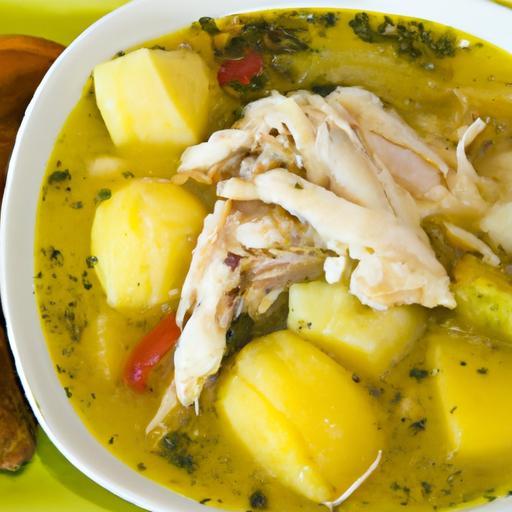





In the vibrant tapestry of West African cuisine,few dishes captivate the senses quiet like Egusi soup. Often described as a hearty, nutty, and richly textured stew, this beloved melon seed concoction transcends mere sustenance to become a cultural emblem steeped in tradition and flavor. “Egusi Soup Unveiled: A Flavorful Journey into Melon Seed Stew” invites you to explore the roots, ingredients, and methods that bring this culinary masterpiece to life. From the humble melon seeds ground to a velvety paste, to the symphony of spices and greens that dance in every spoonful, this article delves into the essence of a dish that has warmed countless tables and hearts across generations. Join us as we uncover the story behind Egusi soup, revealing why it continues to be both a comfort food and a festivity of heritage.
Egusi soup is a cornerstone of West African cuisine, famed for its rich, velvety texture and distinctive nutty flavor derived from ground melon seeds.This beloved stew has woven itself into the culinary fabric of Nigeria, Ghana, and beyond, carrying deep cultural significance as a dish of celebration, family gatherings, and comfort.For many, the ritual of preparing egusi soup recalls memories of home-cooked meals served with fufu or pounded yam, making it a timeless symbol of hospitality and heritage.
Prep and Cook Time
- Preparation: 20 minutes
- Cooking: 45 minutes
- total Time: 1 hour 5 minutes
Yield
Serves 6 generous portions
Difficulty level
Medium – perfect for adventurous home cooks ready to explore bold flavors and traditional techniques
Essential Ingredients for Egusi Soup
- 2 cups ground egusi (melon seeds)
- 1/2 cup palm oil
- 1 large onion, finely chopped
- 2 cups assorted meat (beef, goat, or chicken), cut into bite-sized pieces
- 1 cup smoked dried fish or stockfish, shredded
- 1 cup fresh spinach or bitter leaf, washed and chopped
- 2 tablespoons crayfish powder
- 2 hot chili peppers, finely chopped (adjust to taste)
- 4 cups beef broth or water
- 2 seasoning cubes (Maggi or Knorr)
- Salt to taste
Step-by-Step Guide to Cooking rich and Flavorful Egusi Soup
- Prepare your proteins: Rinse meat thoroughly and season with salt and one seasoning cube. In a large pot,bring to a boil with 2 cups of beef broth or water. Simmer until tender, about 30 minutes. Set aside the broth for later use.
- Bloom the palm oil: heat 1/2 cup palm oil in a heavy-bottomed pot over medium heat until shimmering but not smoking. The rich amber hue is key for authentic flavor and color.
- Sauté onions and peppers: Add chopped onions and chili peppers to the oil. Stir frequently and cook until softened and fragrant-about 5 minutes.
- Add the egusi paste: In a bowl, mix the ground egusi with a small amount of water to form a thick paste. Spoon the paste into the pot, stirring constantly to prevent clumping. Let it fry gently for about 10 minutes, stirring occasionally to develop a toasted, nutty aroma and a slightly grainy texture.
- Incorporate broth and proteins: Slowly add reserved broth and remaining water (2 cups). Stir and let it simmer. Add cooked meats, dried fish, and crayfish powder.Allow the flavors to meld for 15 minutes on low heat, stirring occasionally.
- Finish with greens: Stir in fresh spinach or bitter leaf to add a refreshing bitterness and vibrant green color. Cook for an additional 5 minutes, ensuring the greens wilt but retain their bright appearance.
- final seasoning: Taste and adjust salt or seasoning cubes as needed. Remove from heat.
Chef’s Notes and Tips for Success
- Choosing your egusi: Freshly ground melon seeds yield the best flavor; if unavailable, purchase pre-ground but ensure it’s fine and not oily.
- Avoid clumping: Creating a paste before frying egusi helps achieve a smooth, crumbly texture rather than lumps.
- Protein variety: Feel free to substitute goat meat with chicken or a mix of seafood like shrimp,but avoid pork to preserve traditional flavors.
- leafy greens: If bitter leaf is hard to find, collard greens or kale offer a delightful alternative.
- Make-ahead tip: Egusi soup flavors intensify after resting-prepare a day ahead and refrigerate for deeper taste.
- Thicken or loosen: Add more broth for a thinner stew or throw in lightly mashed egusi for extra thickness.
Pairing Suggestions and Serving Tips
This luscious Egusi Soup pairs beautifully with traditional West African staples:
- Fufu (Cassava or Yam): The perfect starchy canvas to scoop up the thick, savory stew.
- Pounded Yam: Soft and stretchy, it complements the nutty notes of the melon seeds.
- Garri (Eba): A granular fermented cassava dish that adds contrasting texture.
Garnish with fresh chopped green onions or a sprinkle of roasted peanuts to enhance the nutty flavor profile. Serve hot in a deep bowl to savor each spoonful fully and present the dish alongside refreshing palm wine or ginger drink for an authentic West African feast.

| Nutrient | Per Serving |
|---|---|
| Calories | 350 kcal |
| Protein | 28 g |
| Carbohydrates | 12 g |
| Fat | 22 g |
For a deeper dive into related Nigerian cuisine classics, explore our Jollof Rice Tradition. For scholarly insight into West african culinary heritage, visit Britannica’s Egusi overview.



To Conclude
As our flavorful journey into the world of Egusi Soup comes to a close, we hope you’ve gained a deeper gratitude for this vibrant melon seed stew – a true emblem of West African culinary heritage. Beyond its rich, nutty taste and hearty textures lies a tapestry of tradition, culture, and communal warmth, all simmered into every pot. Whether you’re a seasoned cook or a curious foodie, Egusi Soup invites you to savor not just a meal, but a story steeped in history and flavor. So, the next time you dip that swallow into a bowl of Egusi, remember: you’re partaking in more than just a dish-you’re embracing a legacy.