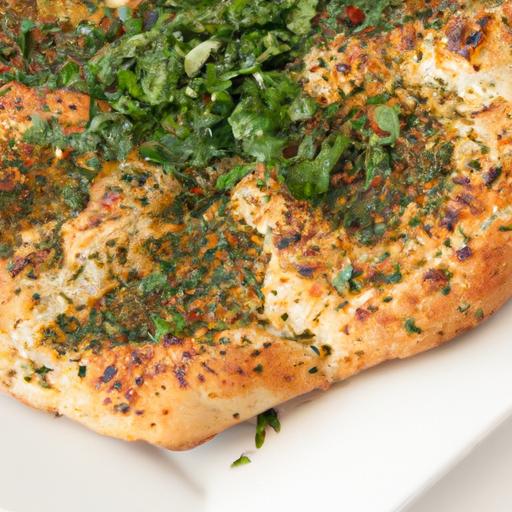





There’s a comforting aroma that drifts from bustling Middle Eastern bakeries, an invitation to gather around tables and share stories over warm, freshly baked bread. At the heart of this sensory experience lies Za’atar Flatbread, also known as Manakish-a timeless culinary treasure that marries simple ingredients with bold, herbaceous flavors. This golden, crispy flatbread, generously topped with a fragrant blend of za’atar spices, olive oil, and sometimes sesame seeds, is much more than a snack; it’s a cultural emblem, a morning ritual, and a versatile dish that transcends borders. In this article, we’ll explore the origins, readiness, and irresistible qualities that make Za’atar Flatbread a flavorful Middle Eastern delight cherished by food lovers worldwide.
Za’atar flatbread (manakish) is more than just a delicious Middle Eastern treat - it’s a vibrant piece of culinary history that has long been treasured across Levantine kitchens. This aromatic flatbread, generously brushed with olive oil and sprinkled with za’atar, carries the essence of ancient spice trade routes and generations of home bakers sharing their craft.Its wholesome simplicity, coupled with an irresistible earthiness, makes it a timeless breakfast staple and an everyday snack that connects you to the heart of Middle Eastern culture.
Prep and Cook Time
- Preparation: 15 minutes
- Resting time for dough: 1 hour
- Cooking time: 10 minutes
- Total: Approximately 1 hour 25 minutes
Yield
Makes 6 medium-sized manakish (about 6-7 inches each)
Difficulty Level
Easy to Medium – perfect for beginner home cooks eager to explore middle Eastern flavors
Ingredients
- 2 cups all-purpose flour, sifted
- 1 tsp instant yeast
- 1 tsp sugar
- 3/4 cup warm water (110°F/43°C)
- 2 tbsp olive oil, plus extra for brushing
- 1 tsp fine sea salt
- 1/2 cup za’atar spice blend (preferably a fresh, balanced mixture of thyme, sumac, sesame seeds, and salt)
Instructions
- Activate the yeast: In a small bowl, combine warm water, sugar, and yeast. Stir gently and allow to sit for 5-7 minutes until frothy. This signals the yeast is alive and ready to work.
- Mix the dough: In a large mixing bowl, whisk together flour and sea salt. Make a well in the center and pour in the yeast mixture along with 2 tablespoons of olive oil. Using a wooden spoon or your hands,fold ingredients together until a rough dough forms.
- Knead: Transfer dough to a floured surface and knead for about 8-10 minutes until it becomes smooth, elastic, and slightly tacky but not sticky. add small amounts of flour only if necessary.
- First rise: Lightly oil a clean bowl. Place the dough inside, cover with a damp cloth or plastic wrap, and let it rise in a warm spot for 60 minutes or until doubled in size.
- Prepare the za’atar topping: in a small bowl, mix za’atar with 1/4 cup olive oil until it forms a slightly thick but spreadable paste.
- Shape the flatbreads: Punch down the risen dough and divide it into 6 equal pieces. Roll each piece into a ball and then flatten on a floured surface to a circle roughly 6-7 inches wide, about 1/4-inch thick.
- Top and bake: Preheat your oven to 475°F (245°C) with a baking stone or heavy tray inside. Place each flattened dough on parchment.Brush generously with the za’atar-olive oil mixture, making sure to cover the surface evenly but not overly drenched.
- Bake: Slide manakish onto the hot stone or tray and bake for approximately 6-8 minutes, or until edges turn golden and slightly crisp, and the za’atar is aromatic.
- Serve warm: Remove from the oven and serve immediately for the best flavor and texture.
Tips for Success
- Za’atar blend: Opt for a fresh, high-quality za’atar blend from a trusted Middle Eastern market or make your own using dried thyme, sumac, toasted sesame seeds, and a pinch of salt.
- Resting dough: Allowing the dough to rest longer (up to 2 hours) will deepen flavor and improve texture, making the flatbread airier.
- Alternative cooking method: If you don’t have a baking stone, a cast-iron skillet heated over medium-high heat works well. Cook flatbreads 2-3 minutes per side, then add za’atar topping and briefly return to heat off direct flame to warm the topping.
- Make ahead: Dough can be made the night before and refrigerated,then brought to room temperature before shaping and baking.
- customization: Feel free to sprinkle toppings like finely chopped tomatoes,black olives,or feta cheese on half the flatbread for a creative twist.
Creative serving Suggestions
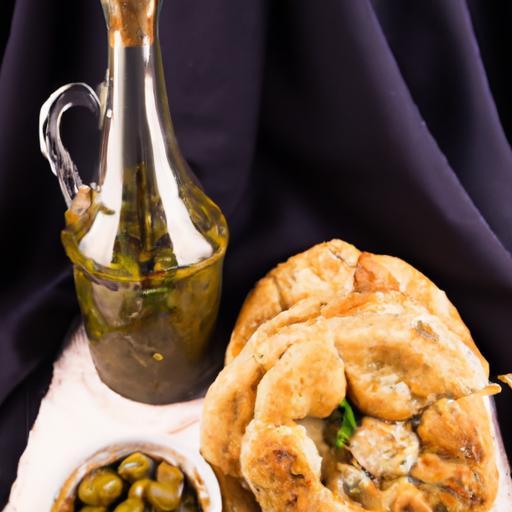
Serve your za’atar flatbread alongside a spread of creamy labneh, fresh cucumbers, and ripe tomatoes for a wholesome breakfast. Add a drizzle of tahini sauce or a sprinkling of sumac for an extra tangy kick.Pair with olives and pickled vegetables for a mezze-style experience. Garnish with fresh mint, parsley, or a squeeze of lemon to brighten the earthy za’atar notes. For an indulgent variation, top with soft scrambled eggs or a dollop of hummus, making every bite a dance of Middle Eastern flavors.
| Nutrient | Per Serving (1 manakish) |
|---|---|
| Calories | 230 kcal |
| Protein | 6 g |
| Carbohydrates | 32 g |
| Fat | 8 g |

For more inspiration on Middle Eastern flavors, check out our Top Mezze Recipes. To learn about the cultural background of za’atar in culinary traditions, visit Britannica’s Za’atar entry.
Wrapping Up
As the warm aroma of za’atar lingers in the air and the golden, crispy edges of manakish invite one last bite, it’s clear that this humble flatbread is much more than a simple snack-it’s a vibrant thread woven into the rich tapestry of Middle Eastern culture. Whether enjoyed as a hearty breakfast, a midday treat, or a shared delight among friends and family, za’atar flatbread embodies a timeless blend of history, flavor, and tradition. So next time you crave something both comforting and exotic, let the tangy, herbaceous notes of za’atar manakish transport your taste buds on a delicious journey to the heart of the Levant.