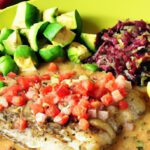





In teh vibrant tapestry of Creole cuisine, few dishes capture the heart and heritage quite like Boudin Créole. This distinctive blood sausage, steeped in tradition and bursting with bold flavors, tells a story that transcends mere ingredients. From smoky spices to savory pork and sticky rice, each bite of Boudin Créole is a party of culture, history, and community. In this article, we embark on a flavorful journey to uncover the origins, planning, and enduring allure of this beloved Creole delicacy-inviting you to savor not just a dish, but the rich legacy it carries.
Savoring Creole Blood Sausage invites you on a rich culinary journey into the heart of Creole tradition, where bold spices combine with the earthiness of blood sausage to create a deeply flavorful experience. This dish, rooted in louisiana’s vibrant cultural mosaic, embodies resilience and celebration, reflecting the resourcefulness of Creole cooks who transformed simple, humble ingredients into an iconic delicacy.
Prep and Cook Time
- Preparation Time: 45 minutes
- Cooking Time: 1 hour 15 minutes
- Total Time: 2 hours
Yield
Approximately 8 servings (about 1 lb of boudin blood sausage per serving)
Difficulty Level
Medium – Requires some prep and attention to technique but highly rewarding
Ingredients
- 2 quarts beef or duck blood, fresh and filtered
- 1 ½ cups white rice, rinsed and drained
- 1 medium yellow onion, finely diced
- ½ cup celery, finely chopped
- ½ cup green bell pepper, finely diced
- 4 cloves garlic, minced
- 2 tablespoons Creole seasoning blend
- 1 teaspoon smoked paprika
- 1 teaspoon freshly ground black pepper
- 1 teaspoon dried thyme
- 1 teaspoon cayenne pepper (adjust to taste for heat)
- 1 teaspoon kosher salt
- 1/2 cup chopped fresh parsley
- 1 cup beef or vegetable broth
- Natural casings (or synthetic sausage casings), soaked and rinsed thoroughly
- 2 tablespoons vegetable oil
Instructions
- Prepare the rice: In a medium pot, cook the rinsed rice in 2 cups of water until tender but slightly firm (about 15 minutes). Drain excess water if necessary and set aside to cool.
- Sauté the aromatics: Heat the vegetable oil in a large skillet over medium heat. Add the diced onion, celery, bell pepper, and garlic. Sauté until softened and fragrant, about 5 minutes, stirring frequently enough to avoid browning.
- Mix the blood base: In a large bowl, whisk the filtered blood with the broth to loosen it. Slowly stir in the Creole seasoning, cayenne, thyme, smoked paprika, salt, and black pepper.
- Combine ingredients: Fold in the sautéed vegetables, cooked rice, and fresh parsley into the blood mixture. Ensure all ingredients are evenly incorporated; the mixture should be thick but pourable.
- Fill the casings: Using a sausage stuffer or piping bag, carefully fill the soaked casings with the sausage mixture. Avoid overfilling to prevent bursting. Twist into 6- to 8-inch links.
- Cook the boudin: Bring a large pot of water to a gentle simmer (don’t boil). Poach the boudin links for 45 minutes until firm, turning occasionally. Remove and drain on a wire rack.
- Brown for serving: For authentic texture, pan-sear or grill the cooked boudin over medium heat until a crisp crust forms, about 3-5 minutes per side.
- Serve hot: Garnish with chopped green onions or parsley and accompany with Creole mustard or spicy pickled peppers for an authentic finish.
Tips for Success
- Blood quality: Use fresh, high-quality beef or duck blood. Strain well to ensure a smooth, uniform texture.
- Spice balance: Adjust the cayenne pepper to your preferred heat level-start mild and build gradually.
- Rice texture: Slightly undercook the rice to maintain firmness inside the sausage; mushy rice can lead to a grainy texture.
- Casings handling: Soak the casings for at least 30 minutes in warm water and rinse well to remove excess salt or preservatives that can affect flavor.
- Make-ahead: the mixture can be refrigerated overnight to deepen the flavors, but always fill and cook the boudin fresh for best results.
- Storage: Cooked boudin can be refrigerated for up to 3 days or frozen for up to 3 months-thaw wholly before reheating gently.
Tasting Notes and Pairing Suggestions for an Authentic Creole Experience
When savoring Creole blood sausage, expect a velvety, smoky richness with layers of peppery warmth and herbal brightness.The rice provides a tender bite, perfectly absorbing the spices and blood’s subtle iron taste. Textural contrasts between the crisp pan-seared exterior and creamy interior are key to the authentic experience.
Pair your boudin with classic Southern sides such as Creole red beans and rice or a tangy cabbage slaw to balance the richness. For beverages, opt for lightly sweetened iced tea, robust coffee, or a crisp sparkling water with lemon.A drizzle of Creole mustard or a side of pickled okra enhances the savory complexity.
Where to Find the Best Boudin Créole and Tips for home Preparation
While local Louisiana butcher shops and specialty food markets remain the best spots to procure authentic boudin créole, many online retailers offer vacuum-packed, high-quality artisanal versions. When purchasing, look for sausages labeled “blood sausage” or “boudin créole” made with beef or duck blood to meet dietary preferences.
At home,always bring your boudin to room temperature before cooking. Poach gently to retain moisture, then finish with a speedy sear for texture. if using pre-cooked or frozen boudin, thaw thoroughly and warm slowly to prevent casing rupture.

| nutrient | Per serving | Notes |
|---|---|---|
| Calories | 250 kcal | Rich but balanced with rice and broth |
| Protein | 18 g | High-quality from blood and broth |
| Carbohydrates | 20 g | Primarily from rice |
| Fat | 12 g | From vegetable oil and small natural fats |

Learn more about Creole culture and cuisine from the National Park Service.
In Retrospect
As the final bite of Boudin Créole lingers on the palate, it leaves more than a taste-it offers a bridge to a culture rich with history, resilience, and flavor. This savory blood sausage is not merely a dish but a story woven through generations, a testament to the creole spirit’s ability to transform humble ingredients into a culinary treasure. Whether enjoyed at a bustling Louisiana market or prepared in a home kitchen steeped in tradition, Boudin Créole invites us to savor not just food, but the vibrant heritage and enduring soul of Creole cuisine. In every morsel, the past meets the present, reminding us that some flavors are worth passing down, tasting, and celebrating time and again.