





In the bustling tapestry of Asian cuisine, few dishes embody comfort and creativity quite like noodle soups. Yet, beyond the steaming bowls served in street stalls and family kitchens lies a engaging evolution: the art of Asian noodle soup jars. These vibrant, layered containers are more then just a portable meal-they are a sensory journey, capturing the essence of tradition, innovation, and flavor in every jar. Unlocking the secrets behind these culinary marvels reveals not only how textures and tastes are harmoniously preserved but also how modern food culture is reinventing a beloved classic. Join us as we delve into the rich history, intricate techniques, and inspired presentations that make Asian noodle soup jars a gourmet experience waiting to be discovered.
Unlocking Flavor in Asian noodle soups is an art that balances tradition,technique,and creativity. From the delicate broths simmered for hours in northern China to the fiery, aromatic stocks of Thailand, each regional variation tells a story through its signature ingredients and preparation methods.Mastering these nuances not only transforms the dish but invites you to journey through vibrant cultures using just one bowl. Weather you crave the silky smoothness of softly boiled rice noodles or the satisfying bite of chewy wheat strands,crafting the perfect noodle soup jar requires finesse and attention to detail-unlocking layers of taste and texture that delight every spoonful.
Prep and Cook Time
- Preparation Time: 25 minutes
- Cooking Time: 2 hours (for broth)
- Total Time: 2 hours 25 minutes
Yield
Serves 4 hearty portions
Difficulty Level
Medium – patience and layering of flavors required, but perfect for eager home chefs
Ingredients
- For the Broth:
- 2 lbs beef bones (preferably with marrow)
- 1 large onion, halved
- 4 cloves garlic, smashed
- 2-inch piece of ginger, sliced
- 2 star anise pods
- 1 cinnamon stick
- 1 tbsp black peppercorns
- 4 quarts filtered water
- 2 tbsp fish sauce (or tamari for vegetarian)
- 1 tbsp sea salt, adjusted to taste
- For the Noodles and Soup Assembly:
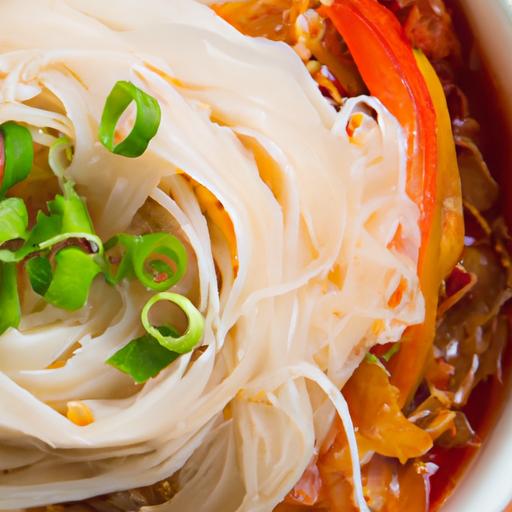
- 12 oz fresh rice noodles or 10 oz fresh wheat egg noodles
- 8 oz firm tofu, cubed and pan-seared
- 2 cups bok choy, blanched
- 1 cup thinly sliced shiitake mushrooms
- 1 cup bean sprouts
- 2 scallions, finely sliced
- 1 handful fresh cilantro leaves
- 2 limes, cut into wedges
- Chili oil and hoisin sauce, for serving
Instructions
- Prepare the Broth: Rinse the beef bones thoroughly under cold water. Place them in a large stockpot, cover with water, bring to a boil, then drain and rinse bones to remove impurities. This step ensures a clear, rich broth.
- Simmer the Broth: Return cleaned bones to the pot. Add 4 quarts of filtered water,onion,garlic,ginger,star anise,cinnamon,and peppercorns. bring to a boil, then reduce to a low simmer. Skim off any scum that rises to the surface within the first 30 minutes.
- Slow Cook: Let the broth simmer gently for 2 hours, partially covered. During the last 20 minutes, add fish sauce and salt, adjusting seasoning to deepen complexity without overpowering.
- Prepare Noodles: While the broth simmers, cook noodles according to package instructions. For rice noodles,soak in hot water until tender but firm; for wheat noodles,boil until al dente. Drain and set aside.
- Pan-Sear Tofu: Heat a non-stick pan over medium heat, add a little oil, and sear tofu cubes until golden and crispy on all sides, about 5-7 minutes.
- Vegetable Prep: Blanch bok choy and shiitake mushrooms separately in boiling water for 1-2 minutes until vibrant and just tender. Drain and set aside.
- Assemble Bowls: Divide noodles between four large soup jars or bowls. Layer with bok choy, mushrooms, bean sprouts, and tofu cubes.
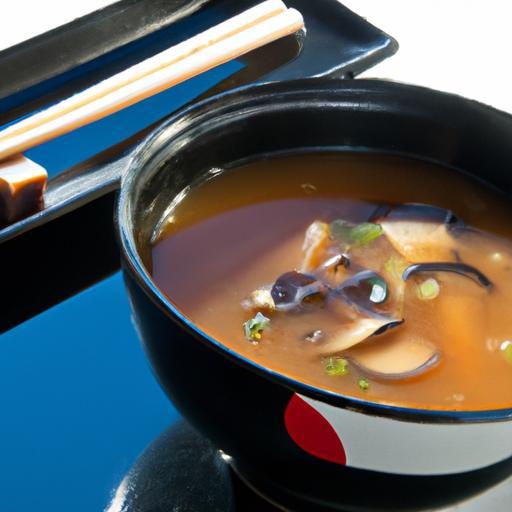
- Finish and Serve: Ladle the hot, fragrant broth over the ingredients, allowing the aromas to mingle.Garnish with scallions, cilantro, and lime wedges. Offer chili oil and hoisin sauce on the side for that custom spicy-sweet kick.
Tips for Success
- Broth Clarity: Skimming and blanching bones prevents cloudiness and creates a pristine base, essential for unveiling depth in every sip.
- Noodle Texture: Noodles should be tender but with a slight chew to endure soaking in broth without losing character. Fresh noodles give the best mouthfeel.
- Layered Flavors: Don’t rush the simmering process; slow cooking draws out unique aromatics from spices and bones, resulting in a rich, layered broth.
- Substitutions: For a vegetarian variation, swap beef bones for dried shiitake mushrooms and kombu seaweed, and replace fish sauce with tamari.
- Make ahead: Broth can be prepared up to 3 days in advance and refrigerated; reheat gently to preserve clarity and flavor.
serving Suggestions
Present the noodle soup jar on a shallow wooden tray, accompanied by a small dipping dish for hoisin sauce and chili oil. Add a crisp side of kimchi or pickled vegetables to balance richness with acidity. Use vibrant garnishes like finely sliced red chili, fresh basil leaves, or even fried shallots for additional texture and visual appeal. Encourage diners to add fresh lime juice just before eating-this brightens the broth and enhances the intricate layers of flavor.
| Nutrient | Per Serving |
|---|---|
| calories | 420 kcal |
| Protein | 28 g |
| Carbohydrates | 45 g |
| Fat | 12 g |

Discover more on perfect soup broths in our Essential Asian Broth techniques article. For in-depth knowledge on key spices, this Serious Eats guide to spices is invaluable for flavor exploration.
Final Thoughts
As we close the lid on our exploration of Asian noodle soup jars, it’s clear that these unassuming vessels are more than just containers-they are carriers of culture, flavor, and tradition. Unlocking the art behind their layers reveals a symphony of textures and aromas, harmonizing convenience with culinary craftsmanship. Whether savoring a simple street food snack or preparing a homemade feast, the noodle soup jar invites us to slow down, appreciate the intricate balance of ingredients, and celebrate a timeless ritual that warms both body and soul. So next time you lift the lid, remember: you’re not just enjoying a meal-you’re tasting history, innovation, and a story steeped in the vibrant heart of Asia.