

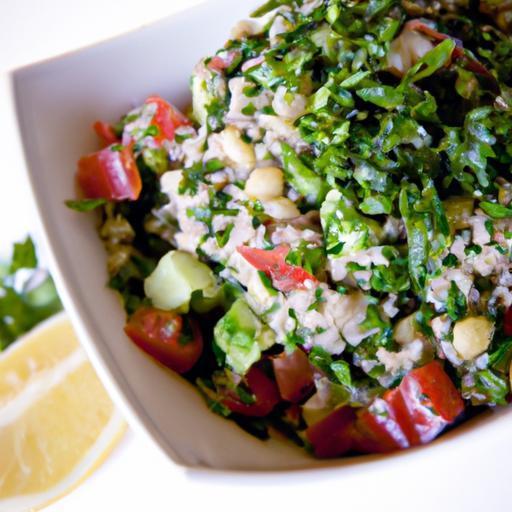

In the vibrant world of Middle Eastern cuisine, few dishes capture the essence of fresh, wholesome flavors quite like Lebanese tabbouleh salad. This bright, herbaceous medley has long been a staple on tables from Beirut to beyond, celebrated for its lively combination of parsley, bulgur, and zesty lemon. Yet, as culinary creativity continues to flourish, tabbouleh is undergoing an exciting conversion-infusing tradition with modern twists that elevate its taste and texture. Join us as we explore the roots of this iconic salad and discover innovative ways to enjoy Lebanese tabbouleh, breathing new life into a timeless classic.
Origins and Cultural Meaning of Lebanese Tabbouleh
Lebanese Tabbouleh Salad holds a revered place in Middle Eastern cuisine, celebrated not only for its refreshing flavors but also for its rich cultural heritage. Originating from the Levant region, this vibrant salad has been a staple of Lebanese tables for centuries, embodying the essence of Mediterranean freshness and communal dining.
Traditionally served as part of a mezze spread-an enticing array of small dishes meant for sharing-tabbouleh reflects the Lebanese emphasis on fresh, wholesome ingredients and balanced nutrition. Its core feature is the harmonious interplay of tart lemon juice, aromatic fresh herbs, nutty bulgur wheat, and crisp vegetables, perfectly blending texture and flavor in every bite.
This salad is much more than a side dish; it’s a symbol of hospitality and festivity, frequently enough passed down through generations, with each family adding a personal touch.the vibrant green color, buoyed by parsley and mint, represents vitality and abundance-qualities prized in Lebanese culinary traditions.
prep and Cook Time
- Preparation: 20 minutes
- Cooking: 5 minutes (for bulgur soaking)
- Total: 25 minutes
Yield
Serves 6-8 as a vibrant side or part of a mezze platter.
Difficulty Level
Easy - Perfect for cooks eager to dive into fresh, authentic flavors without complicated steps.
Ingredients
- 1/2 cup fine bulgur wheat
- 2 cups fresh flat-leaf parsley, finely chopped
- 1/2 cup fresh mint leaves, finely chopped
- 4 medium ripe tomatoes, finely diced
- 1 small cucumber, peeled and diced (optional for extra crunch)
- 4 green onions, finely sliced
- 1/4 cup freshly squeezed lemon juice (about 2 lemons)
- 1/4 cup extra virgin olive oil
- 1/2 teaspoon fine sea salt, or to taste
- Freshly ground black pepper, to taste
Instructions
- Prepare the bulgur: Place the bulgur wheat in a small bowl and cover with cold water. let it soak for about 5 minutes until softened but not mushy.Drain thoroughly, pressing gently to remove excess water, then set aside.
- Chop the herbs and vegetables: Using a sharp knife, finely chop the parsley and mint leaves.Dice the tomatoes and cucumber (if using), and slice the green onions. For best texture, keep the herbs finely chopped but not pureed-this maintains the salad’s signature fluff and crunch.
- Combine ingredients: In a large mixing bowl, add the soaked bulgur wheat, parsley, mint, tomatoes, cucumber, and green onions. Toss gently to combine all the elements evenly,avoiding overmixing to preserve freshness.
- Dress the salad: Drizzle the lemon juice and extra virgin olive oil over the mixture. Season with sea salt and freshly ground black pepper. toss again lightly but thoroughly, ensuring every bite bursts with brightness and balance.
- Rest and chill: for peak flavor, refrigerate the salad for at least 30 minutes before serving. This resting period allows the herbs to infuse the bulgur with zesty, aromatic notes.
- Final taste check: Before serving, give the tabbouleh a gentle toss and adjust seasoning with more lemon juice or salt if needed. Serve chilled or at room temperature.
Tips for Success: Elevate Your Lebanese Tabbouleh Salad
- Herb Quality: Use the freshest,vibrant parsley and mint-these herbs are the soul of tabbouleh. Avoid pre-chopped or wilted herbs for the best aroma and color.
- Bulgur Texture: Opt for fine bulgur for the traditional light texture that integrates seamlessly with the herbs and vegetables; coarse bulgur changes the mouthfeel entirely.
- Acidity Balance: Lemon juice is essential. Taste and adjust gradually to avoid overpowering the delicate herbs. For a subtle twist, add a splash of pomegranate molasses for a deep fruity tang.
- Make-Ahead: Tabbouleh can be made up to 4 hours in advance. Keep it chilled and stir gently before serving to revive its freshness.
- Creative Variations: For a modern spin, try adding diced avocado or swapping half the bulgur for quinoa to introduce a different texture and boost protein, keeping it gluten-free.
Serving suggestions
Serve this Lebanese Tabbouleh Salad as the bright centerpiece of a mezze platter, alongside classic hummus and warm pita bread. Garnish with lemon wedges and a drizzle of extra virgin olive oil for shine.
Pair it with grilled meats such as chicken skewers or roasted vegetables for a well-rounded Mediterranean feast. For an eye-catching presentation, mound the salad in a shallow bowl and scatter edible flower petals or pomegranate seeds on top.


| Nutrient | Per Serving (Approx.) |
|---|---|
| Calories | 120 kcal |
| Protein | 3 g |
| Carbohydrates | 18 g |
| Fat | 5 g |
For further reading on the cultural roots of Middle Eastern cuisine, consider visiting britannica’s Tabbouleh entry, a thorough resource on the history and ingredients behind this beloved salad.
Key Takeaways
As vibrant as the Mediterranean sun and as refreshing as the sea breeze, Lebanese Tabbouleh Salad carries both history and innovation on its leafy shoulders. This timeless dish, rooted in tradition yet open to creative twists, invites you to explore the harmonious dance of fresh herbs, zesty lemon, and wholesome bulgur. Whether served as a light side or a centerpiece of a wholesome meal, tabbouleh continues to celebrate the spirit of Lebanese cuisine-simple ingredients crafting extraordinary flavors. So next time you crave a salad that’s both nourishing and spirited, remember that with tabbouleh, tradition always tastes fresh.