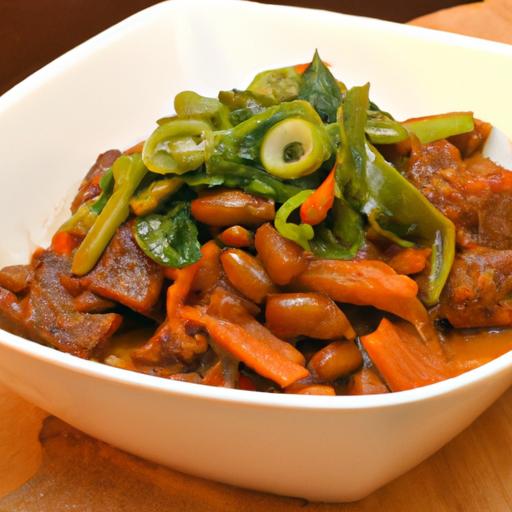






There’s a certain magic that happens when rich, velvety peanuts meet tender, slow-simmered beef in a symphony of flavors-a magic perfectly embodied by Maafe, the beloved West African peanut stew. This hearty dish is more than just a meal; its a party of culture, tradition, and comfort, wrapped in a luscious sauce that warms the soul. Whether you’re a culinary adventurer or simply seeking a new favorite stew to savor on a cozy evening, Maafe invites you on a appetizing journey. Join us as we explore the origins, ingredients, and irresistible taste of this timeless classic, and discover how to bring a taste of West Africa into your own kitchen.
Origins and Cultural Importance of Maafe in West African Cuisine
Savoring Maafe introduces you to one of West Africa’s most beloved comfort dishes-a hearty beef and peanut stew steeped in rich history and cultural significance. Originating primarily from Senegal, Mali, and Gambia, this dish reflects the communal spirit at the heart of West African dining.Traditionally, maafe showcases the ingenious blend of locally harvested peanuts wiht robust, flavorful meats, symbolizing both nourishment and celebration. Families gather around steaming bowls, sharing stories and savoring the deeply comforting warmth that Maafe brings to every table. It’s more than just a meal; it’s a culinary embrace that connects generations and regions through a shared love for simple, wholesome ingredients transformed into something remarkably delicious.
Selecting the Perfect Cuts of Beef for Rich and Tender Stew
The secret to an indulgently tender Maafe lies in the choice of beef. For a stew that melts in your mouth and delivers full-bodied flavour, opt for cuts with good marbling and connective tissue, such as chuck roast, short ribs, or brisket. These tougher cuts require slow, gentle cooking to break down collagen into luscious gelatin, enriching the stew’s texture. Avoid lean cuts like sirloin, which can dry out during long simmering. Visualize succulent chunks that soak up the fragrant sauce, releasing an irresistible beefy aroma with every simmer. Freshness is key; if possible, select grass-fed or organic options to ensure a depth of flavor and tenderness that will elevate your Maafe from comforting to extraordinary.
The Art of Balancing Peanuts and Spices for a Flavorful maafe
Crafting the perfect Maafe is a harmonious dance between the creamy earthiness of peanuts and a vibrant assortment of spices. Ground peanuts or smooth peanut butter form the stew’s rich backbone, lending a subtle sweetness and velvety texture. However, balance is critical-too little peanut, and you lose the signature nutty character; too much, and the stew becomes heavy or cloying. Layer in warming spices such as ginger, garlic, cumin, and smoked paprika to build complexity, while a hint of chili injects a gentle heat underpinning the dish. Tomatoes introduce brightness, grounding the richness with a subtle tang.Take your time to toast and bloom the spices in oil before adding liquids to coax out thier aromas-this technique makes all the difference in creating a stew bursting with depth and nuance.
Tips for serving Maafe with Traditional and Contemporary Accompaniments
Maafe’s versatility shines through in how it’s served. Traditionally, it is indeed ladled generously over fluffy white rice or millet couscous, where the grains soak up the luscious stew, creating a truly satisfying plate. For a contemporary twist, try pairing Maafe with roasted root vegetables or creamy mashed sweet potatoes to add texture and natural sweetness. Garnishing with vibrant fresh cilantro, sliced green chilies, or toasted peanut slivers adds layers of color and crunch. Accompany the meal with a crisp, refreshing salad or pickled veggies to cut through the richness, resulting in a balanced dining experience. Whether served family-style for a warm gathering or plated individually with elegant flair, Maafe never fails to be the centerpiece of an inviting, soul-warming meal.
Prep and Cook time
- Planning: 20 minutes
- Cooking: 1 hour 30 minutes
- Total Time: 1 hour 50 minutes
Yield
Serves 6 generous portions
Difficulty level
Medium – Perfect for home cooks ready to explore layered flavors and slow-cooked tenderness
Ingredients
- 2 lbs beef chuck roast, cut into 1½-inch cubes
- 3 tbsp vegetable oil (such as peanut or sunflower oil)
- 1 large onion, finely chopped
- 4 garlic cloves, minced
- 1 tbsp fresh ginger, grated
- 1 tsp ground cumin
- 1 tsp smoked paprika
- ½ tsp ground coriander
- 1 tsp chili powder (adjust for heat preference)
- 1 can (14 oz) crushed tomatoes
- 1 cup natural peanut butter (smooth or chunky as preferred)
- 4 cups beef broth (preferably homemade or low-sodium)
- 2 large carrots, sliced into thick coins
- 2 medium potatoes, peeled and cut into chunks
- Salt and freshly ground black pepper, to taste
- Fresh cilantro, chopped, for garnish
- Cooked white rice or millet couscous, for serving
Instructions
- Brown the Beef: Heat oil in a heavy-bottomed pot over medium-high heat. Add beef cubes in batches without overcrowding. Sauté until deeply browned on all sides,about 5-6 minutes per batch. Set meat aside.
- Sauté Aromatics: In the same pot,reduce heat to medium.Add chopped onion and cook until softened, about 5 minutes. Stir in garlic and ginger; cook for 1 minute until fragrant.
- Bloom spices: Add cumin,smoked paprika,coriander,and chili powder. Toast spices for 1-2 minutes, stirring constantly to prevent burning and to unlock their aromas.
- Add tomatoes and Peanut Butter: Stir in crushed tomatoes and peanut butter until well combined, creating a thick, rich base. Cook for 3 minutes to meld flavors.
- Deglaze and Simmer: Return the browned beef to the pot. Pour in beef broth to cover the meat and sauce. Season with salt and pepper. Bring to a gentle boil, then reduce heat to low. Cover and let simmer for 1 hour.
- Add Vegetables: Stir in carrots and potatoes, then continue simmering uncovered for 30 minutes, or until beef and vegetables are tender, sauce thickens, and flavors concentrate.
- Adjust Seasoning and Serve: Taste and adjust seasoning with more salt or chili as desired. Ladle hearty stew over steamed rice or couscous.Garnish with fresh cilantro and toasted peanut slivers for crunch.
Chef’s Notes & Tips for Success
- For a smoother sauce, use natural creamy peanut butter, but chunky varieties add lovely texture.
- Do not rush the browning step; it’s crucial for developing deep beef flavor.
- make Maafe ahead-the flavors improve after resting overnight, making it perfect for meal prep or entertaining.
- Vegetarians can substitute beef with hearty mushrooms or eggplants and vegetable broth for a rich vegan version.
- Use homemade beef broth when possible to enhance umami richness.
Serving Suggestions
Serve this visually stunning Maafe in rustic bowls atop pillowy white rice or millet couscous, allowing the sauce to cascade luxuriously over each grain. Add a sprig of fresh cilantro and a scatter of toasted peanuts for a vibrant contrast. Complement with a side of lightly dressed greens, such as a sharp arugula salad or traditional West African sautéed greens.For a contemporary touch, pair it with roasted sweet potatoes or a tangy cucumber salad to bring freshness and balance the stew’s richness perfectly.



| Nutrient | Per Serving |
|---|---|
| Calories | 470 kcal |
| Protein | 38 g |
| Carbohydrates | 20 g |
| Fat | 25 g |

For a deeper dive into West African flavors, explore our guide to West African spices. Learn more about the cultural history of peanut stews on Britannica’s food and culture section.
Concluding Remarks
As the rich, aromatic flavors of Maafe linger on your palate, it’s clear why this hearty beef and peanut stew has captivated taste buds for generations. More than just a meal, Maafe is a celebration of culture, warmth, and culinary harmony-where tender beef meets the creamy embrace of ground peanuts, creating a stew that comforts and delights in equal measure. whether you’re revisiting a beloved tradition or discovering it for the first time, savoring Maafe invites you to experience a beautiful blend of history and flavor, one spoonful at a time. So, gather your ingredients, ignite your stove, and let this timeless dish bring a little more joy-and a lot more nourishment-to your table.